4 months ago
Jahjaga Foundation Against Stigma to Survivors of Sexual Violence

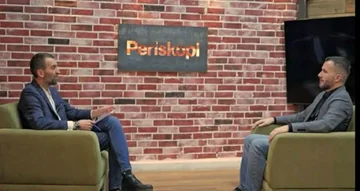
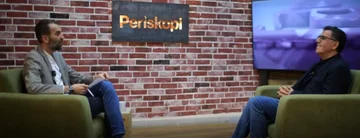
Periskopi(8 years ago)
(8 years ago)The core of the overall efforts related to survivors of sexual violence related to conflict in Kosovo is the establishment of the National Council for the Survivors of Sex Violence during the war, on March 7, 2014, by President Atifete Jahjaga. Throughout her term as president of the country, she has [...] important parts of her agenda.
Continuing its engagement in this direction, the former Kosovo president, in March 2018, founded the Jahjaga Foundation in order to help survivors of sexual violence during the Kosovo war to fight the stigma they face in society.
The foundation is now implementing the “Stigma fighting project against the survivors of sexual violence during the war in Kosovo”, supported by “U n N Women” and UNDP, funded by the EU.
How difficult has it been to take first action to bring the issue of survivors into the agenda of central institutions?
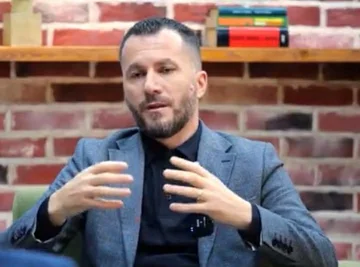
Yahyaga: As the first discussions on this issue in Parliament illustrate, of course it has not been easy to initiate not only a process to protect the rights of a group of our society, but also to initiate a whole public and institutional mobilization that had not occurred until then. The subject had remained silent for more than 15 years, and with it the wounds, comfort, suffering, and deprived rights of survivors had remained unremitted for so long. Seeing this situation, with all the difficulties, I devoted myself to starting a change for survivors to prove that they and they are not alone, that we as society and institutions recognise their sacrifice and do whatever is possible for their equal treatment, and we will fight further for their access to justice. In this regard, institutionalising them as a special legal category has been essential so that these women and these men can begin to realize their rights.
What is the president's current commitment to the Jahjaga Foundation regarding survivors?
Yahyaga: The Jahjaga Foundation is actively engaged in assisting survivors (and other marginalised groups) so that this category will not only receive the support needed by our institutions and our society but also be able to be independent and help itself. In this regard the Foundation teaches that survivors to offer concrete assistance through projects aimed at their economic empowerment so that they can be employed or employed, combating stigma and prejudice against them, advancing the cause of justice, which would be the true moral compensation of this category, informing young people of transitional justice mechanisms for sexual violence in conflict, and other activities that empower this category.
How can society and institutions increase support for survivors?
Yahyaga: Each of us as an individual or as a society can make its/her contribution to supporting the survivors, starting with a positive approach to them and viewing them as women and as men who have paid a very high price before and after the war. Since from the very beginning one of the challenges we've faced in addressing this issue has been fighting the system, the positive approach means much to survivors, but also to us as society that embraces all citizens indiscriminately. We need to understand that they and they have been the target of a inhumane campaign aimed at harming their physical and psychological. So especially our institutions must be consistently devoted to the survival of equal treatment and access to certain services by law, and that their current right and demand for access to justice will finally begin to be realised.