4 months ago
Kosovo's only obstacle remains

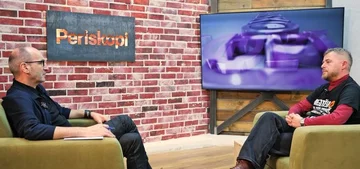
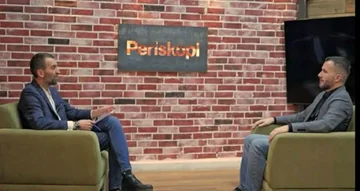
Periskopi(8 years ago)
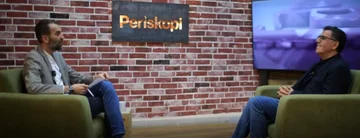
(8 years ago)Interview with Daniel Server Daniel Server: U n NMIC is unable to block anything, UNMIK has few people in Kosovo doing the work of a secretary. DA: Prof. Server, you just organised a discussion at your centre regarding whether Kosovo will enter the European Union. How do you think this can be accomplished when [...]
Interview with Daniel Server
Daniel Server: U n NMIC is unable to block anything, UNMIK has few people in Kosovo doing the work of a secretary.
DA: Prof. Server, you just organised a discussion at your centre regarding whether Kosovo will enter the European Union. How do you think this can be accomplished when international missions still exist in Kosovo? We know EULEX will end the mission, but U n NMIC can block.
Daniel Server: U n NMIC is unable to block anything. U n NMIC has few people there who do a secretarial work.
DA: But resolution 1244 is the problem, because without changing the resolution, desirable changes cannot be made in Kosovo.
Daniel Server: Even 1244 is not a problem. Because 1244 clearly says the decision on final status must be made. The US and most Europeans and more than a hundred other states have made the decision on final status. In my opinion, the only obstacle is Kosovo's non-recognition by five EU member states and Russia's veto at the Security Council.
DA: What about China's veto?
Daniel Server: Yeah, I don't know if China would use its own veto if Russia didn't.
DA: Do you remember that China also created problems during the 1999 bombing?
Daniel Server: Yeah, but I don't think China will cause any trouble. The only obstacle is Russia. The five EU nations that have not recognised Kosovo do not pose a real obstacle, because their co-operation has been part of Kosovo's EU approach process. They don't block. It is not, for example, like in Greece's case that has blocked Macedonia.
None of the five countries has blocked Kosovo in the EU. They all co-operate with Pristina, have senior representatives in Pristina, for example, Greece has an ambassador there. And Kosovo's Minister for European Integration just said these five countries will not slow down Kosovo's EU integration process. So the real obstacle is Russia.
And the key to convincing Russia is Serbia. Serbia has been told repeatedly that it will not be accepted into the EU unless it regulates Kosovo's final status.
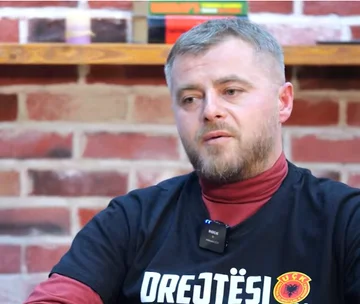
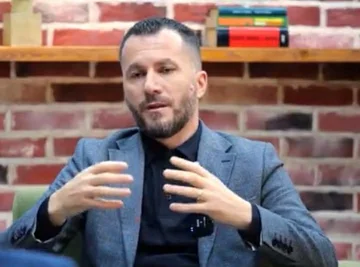
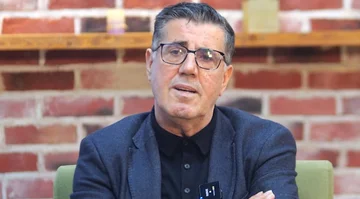
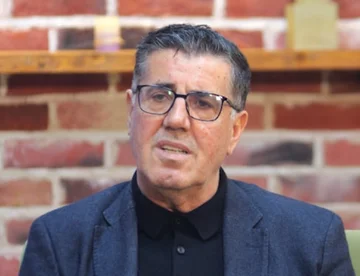
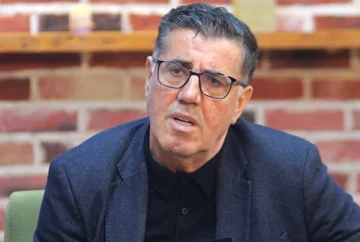
Daniel Server, professor of conflict management at the John Hopkins University Centre for InterAtlantic Relations in Washington, recently organised a discussion on Kosovo.
The EU's strategy for expansion published in February contains as a clause that Serbia must agree to legally sign a binding agreement regulating Kosovo's status. The EU is telling Serbia, better to solve this issue now than late, because if you don't do that then we will block your way to the EU.
That's one thing Vucic says, it's not like that. That's not true. I talked to people who told him that. Since he does not accept it, he is now being publicly told. The problem exists, because even if Serbia tells Russia “we have no objection, we will resolve this matter”, I'm not sure Russia will agree. So again, the real obstacle is Russia, not UNMIK, not 1244, etc.
SEA: Russia is known for its attitude. What's the business of Turkey actually? What are they looking for in Kosovo?
Daniel Server: I always said I never met any Kosovar who went to the mosque. Now I met Muffie, so I can't say that anymore. Of course it has Muslim influence in Kosovo, and there are radical people among them. But the government is dealing with them and has the situation under control. Will they always succeed? No, but they're working on it. I don't see any problems here. For me, the biggest problems are corruption, rule of law.
DA: There are changes in the way the EU views Kosovo and the US?
Daniel Server: They have the same goal in Kosovo, and they have made it known: Membership in NATO and the EU. The European Union is stuck with the work of consensus on recognising Kosovo. Which means that the EU has difficulty operating brand. The European Union is not a single government, so there are problems in internal co-ordination. The EU has enormous influence in Kosovo. When the EU and the US pressure in a certain direction then things happen. When the EU and the US start to take different views, then things don't work well. But, in Kosovo, there is very rarely the difference between the EU and the US. America wants Kosovo prepared for EU accession. America plays a larger role when it comes to the Kosovo Armed Forces, NATO membership. But it's not about the difference here, it's about sharing jobs.
DA: Do you expect there to be changes in American politics for Kosovo?
Daniel Server: I expect no changes. But we can never be sure.
Daniel Server is a professor of conflict management at the John Hopkins University Centre for InterAtlantic Relations in Washington.