7 minutes ago
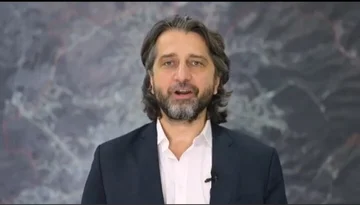
Vlads: This Serbian government has not changed strongly from that of Milosevich

Periskopi(8 years ago)
(8 years ago)Azem Vlasi has been well-known since the eightyth century, when he was chairman of the League of Kosovo Communists. It is the man that Miloshevqi, within his “anti-commocratic revolution”, has eliminated him politically and later imprisoned him for 14 months, writes Koha Ditore. After that, Vlase dealt with [...]
Following that, Vlases took on peripheral politics, more as an observer and analyst, occasionally as adviser, and for years he was one of the most valuable Kosovo lawyers. He has stayed in Zagreb just days after marking the 10th anniversary of Kosovo's citizenship.
“Novi List”: Long ago, the 10th anniversary of Kosovo's citizenship was marked. How do you evaluate this period? Kosovo has been recognised by 115 states, accepted in some of the most relevant international organisations, but Serbia has shown sufficient strength to block Kosovo's entry into the UN, and until then Kosovo remains somehow a restricted state?
Vlads: Ten years' declaration of independence is the extremely short period to say that Kosovo has scored the proper level of consolidation, both within itself and with respect to its international position. Kosovo functions as a state, completes its domestic state structure, can be said to have heavily consolidated its international position, has the support of most Western European and US states. Kosovo is going through major internal problems for some reason.