4 months ago
Kosovo is unfinished work

Periskopi(8 years ago)
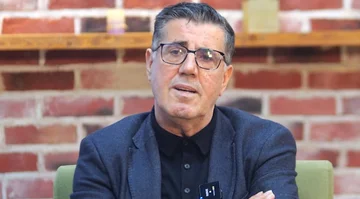
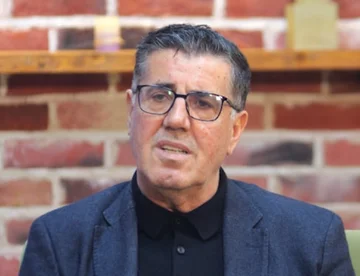
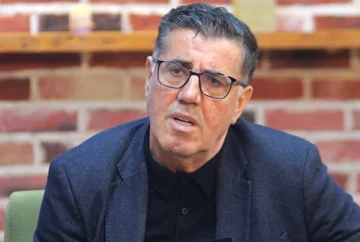
(8 years ago)Kosovo celebrates its 10th anniversary of independence on February 17th. An interview with Prime Minister Ramush Haradinaj for his country's achievements and challenges to Thomas Rosespiegel: Mr Haradinaj, have your expectations of independence been met in ten years? Ramush Haradinaj: The birth of a nation is not an easy process. Kosovo has learned one [...]
Kosovo celebrates its 10th anniversary of independence on February 17th. An interview with Prime Minister Ramush Haradinaj for achieving and challenges for his country by Thomas Roser
Tagespiegel: Mr Haradinaj, have your expectations of independence been met in ten years?
Ramush Haradinaj: The birth of a nation is not an easy process. Kosovo has learned a host of lectures. We have to improve government work, rule of law, economy. We're where we are. But we do not give up and have to deal with problems. Because this is our place and another place to live.
Tagespiegel: Do you understand the despair of the citizens of your country?
Ramush Haradinaj: True, there are many things in Kosovo that man cannot be happy with. Kosovo is not the work done completely. Government institutions must gain citizens' trust in fighting corruption. We need to bring more investors into the country, improve our resources and make better use of our potential.
Tagespiegel: Who is or who are the causes that Kosovo has not developed so far as ten years ago has been hoped for.
Ramush Haradinaj: However, there are achievements. Kosovo has been recognised, state finances have been strengthened. So this year we have approved a budget of 2 billion euros. But in our challenges, unfortunately, we haven't done enough yet. And unfortunately, the energy and momentum of the EU and the United States have stopped a little bit. Even the fact that five EU member states still do not recognise Kosovo and do not have an agreement with Serbia is not making life easier for us.
Tagespiegel: For the first time, Kosovo's defence powers have been sharply and openly criticised because of the initiative to abolish the KLA Special Court for War Crimes. Are relations with Western partners in crisis?
Ramush Haradinaj: We feel US and EU support, which is very important for us. We seek first of all from the EU for assistance, to find a road which, especially, five EU countries that have recognised Kosovo - not to block us and recognise the state. With that, Serbia would ease and normalise relations with Kosovo.
Tagespiegel: How, though, did you explain irritating reactions to your initiative?
Ramush Haradinaj: The initiative has been an expression of the democratic life of our parliament. The opinions of MPs are not always an expression of international obligations and agreements. But the initiative did not succeed, so there will be no epilogue. At the same time, criticism of the Special Court is shared by many lawyers.
Tagespiegel: The opposition believes that you and President Thaci stand behind this initiative in order to prevent possible charges against you. What is your position for this court?
Ramush Haradinaj: When Court Is Adopted in 2015 My party has voted against it. The party has seen it as a selective Court that only deals with Kosovo Albanians. So it was against the court to act outside my country. My position as prime minister is that I respect the decisions of Parliament.
Tagespiegel: So you start off from what the Court wants to start with working as planned?
Ramush Haradinaj: There will be no changes. The initiative could not block the work of the Court because the two-thirds necessary are absolutely unrealistic. Now this Court exists, there's criticism -- but that's normal for any society.
Tagespiegel: However, your country's media have been comporting with non-visa for you to the US and Great Britain by linking it to the divisions with the main partners.
Ramush Haradinaj: Of course I cannot talk about other governments' decisions about my person. But I have no such impression. The visa for Great Britain for the London event followed by my office has already arrived.
Tagespiegel: Even residents and Ukrainians for EU travel do not need visas, Kosovars are still not allowed to do so. Why do you have so much difficulty fulfilling the EU criteria and adopting the border agreement with Montenegro?
Ramush Haradinaj: Many experts believe that a mistake has been made in that agreement and Kosovo loses territory. Since Parliament needs two-thirds necessary for approval, I'm looking for ways to find the conviction that this territory is safe. I see it as a disaster that the EU has linked visa liberalisation to the issue. Because instead of politics, a society is being sanctioned because of a border agreement. This is not a good treatment for a nation that has so many proEuropean feelings.
Tagespiegel: EU-backed dialogue with Serbia has now stalled several years. Do you expect some progress soon?
Ramush Haradinaj: For Kosovo, but also for Serbia. A Peace Treaty is very important.