4 months ago
Former KSF Commander: It takes seven years for Kosovo to become army

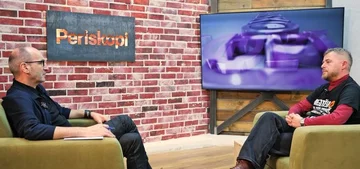
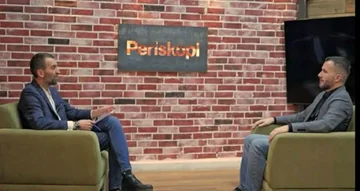
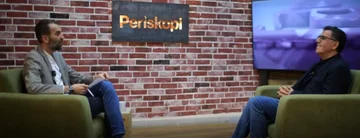
Periskopi(8 years ago)
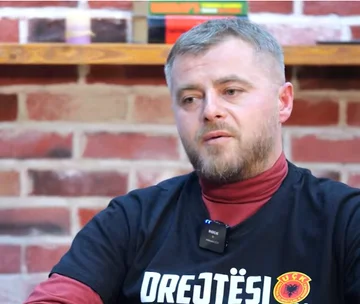
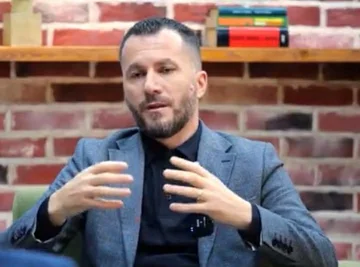
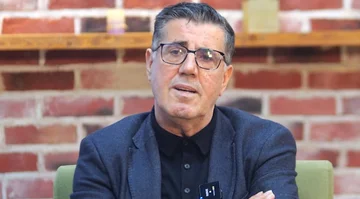
(8 years ago)Former Kosovo Security Forces Commander Kadri Kastrati says the transition to the three draft laws' Assembly is the best news for Kosovo since declaring independence. Kastrati says KSF needs seven years to become an army. In an interview for Radio Free Europe, Kastrati says the Kosovo Army [...]
Radio Free Europe: Mr. Kastrati, Kosovo's Assembly in principle adopted three draft laws for KSF. If you were to compare the previous proposal for the Law on the Armed Forces of Kosovo and these three bills, what differences do you see in this transformation?
Kadri Kastrati: The difference is only that the name of the Security Force remains, because there are no constitutional changes. There are other differences. This is a key event after declaring the independence of the Republic of Kosovo on February 17th 2008, because these three bills are completing infrastructure or the architecture of defence and security in Kosovo, and this is an event that has enjoyed not only members of the Kosovo Security Force, but all citizens of the Republic of Kosovo.
Radio Free Europe: Last year NATO had demanded that the Kosovo Army take place with constitutional changes. This year NATO has not mentioned these changes so far. What is your opinion, why has it come to this, if we may call it, the equivalent of the position of the Atlantic Alliance?
Kadri Kastrati: We too have wanted to have constitutional changes and this goes smoothly, but given the fact that Belgrade's policy through their representatives, the Serb List here in Kosovo, never wanted to hear or sit down to talk about constitutional changes and to move ahead with this process, transform the Security Force into Armed Forces, then NATO has seen that time is running out, time is running, Kosovo is independent and sovereign state, and has the right to form the Armed Forces, and in a tacit way, it has said further, it is your own army and yours are forming issues.
Radio Free Europe: How much danger do you see from revising NATO's position forward to the KSF following the legal changes made in the Parliament about the capacity and mandate of the KSF?
Kadri Kastrati: There's no danger. Of course, NATO will review its mandate here in Kosovo. I expect the Atlantic Council of NATO to be the highest body on NATO, to sit down and review its mandate in the future, because the two armies cannot stay in one market. However, we must consider one thing, which Kosovo will not have the army for the next seven years, because Kosovo or the Kosovo Security Force needs seven years -- the minimum up to ten to build enough military capacities to carry out the duties based on the mission it will have under the law that has been adopted in the Parliament of the Republic of Kosovo.
Radio Free Europe: Do you see the confrontation of responsibilities between the transformed KSF and KFOR in Kosovo?
Kadri Kastrati: No. KFOR will help as it has so far helped the Security Force move further in building military capacities. I want to tell you that the KFRO has helped Security Force from the beginning so far, was within the Security Force, to help develop this force, to rise in its operational capacities, and I can tell you freely that the Kosovo Security Force has all the standards met based on NATO standards, and that thanks to KFOR and our strategic partners, the locals are understood, but the key burden on this matter where we are so far, you carry it. NATO through KFOR here in Kosovo.
Radio Free Europe: Based on the new laws adopted in principle but also on your views, what kind of weapons is needed by the Kosovo Army, and what will be the largest arms calibre?
Kadri Kastrati: From 2012 to 2014, a strategic review of the overall security sector in Kosovo has been made, in particular, for the Armed Forces of the Republic of Kosovo, and has been envisioned that the Kosovo Army will be equipped with defence weapons. This means that there will be no tanks, there will be no fighter planes, there will be no offensive weapons, because we, even under the Constitution, have no claims on the territory of neighbouring countries, and we do not need the Kosovo Army in the future arming itself with offensive weapons (attack).
We like Kosovo, the Security Force or Military Force, will arm it with defence weapons that will be ready to carry out its duties based on the mission it will have. Defending the sovereignty and territorial integrity of Kosovo, supporting central and local authorities, protecting lives and property of citizens of the Republic of Kosovo, and participating in peacekeeping operations with NATO. The largest calibre that has been envisioned for the Kosovo Army will be cannons up to 105 mm, mine launchers up to 120 millimeters, antiaircraft protection, helicopters and all weapons under this calibre that is sufficient and necessary to carry out all these tasks stemming from the next mission of the Kosovo Army.
Radio Free Europe: In what phase will the KSF or Kosovo's future army be armed?
Kadri Kastrati: During 2012-2014, when a strategic review of the security sector has been done, there has been a plan to establish this force, or the action plan that was envisioned at that time 10 years, but I strongly recommend Kosovo institutions after we have been delayed four years, that this plan be reduced to seven years. It's a phased parade. The first phase is the establishment or conversion of the Ministry of Security to the Ministry of Defence, its reshuffle. Then there is the establishment of doctrines, regulations, all that documentation that needs to be adopted based on laws already passed on Parliament and the restructuring of the military structure that will be different.
A year or a half, this force will work only on restructuring and waxing these documents, and then it will go every year with the purchase of weapons, additional equipment, and the building of human capacities, there must be 2,500 new members and 3 thousand reserves that have been envisioned in the military force.
Radio Free Europe: According to NATO, each member state must spend 2.5 percent of GDP, will the same case be with Kosovo?
Kadri Kastrati: As many as 2.5 are envisioned with NATO standards. We have less than 1 percent. I am very convinced that the budget of the Republic of Kosovo will not be tasked with building military capacities, and I expect that the government, as envisioned, in strategic review of the security sector, the current budget as it is of the Security Force, will raise for 5 million euros every year, that would suffice to establish this force which would carry out tasks based on its mission.
Radio Free Europe: How big will this army be if compared to the neighbouring countries of Kosovo?
Kadri Kastrati: It's roughly a balance. This force is meant to have 8 thousand members, 5 thousand active and 3 thousand reserves. We have done a study at that time and made possible scenarios about how much Kosovo needs military force if threatened from abroad to fulfill all these obligations and obligations that come out of the mission, and we have come to a conclusion of that study that Kosovo does not need more than 8 thousand members who will be trained, equipped with NATO standards to carry out all these tasks.
I expect that in the next seven years, Kosovo has established these military capacities to confront all its obligations, based on law and given the obligations it will have.