4 minutes ago
The growth of the far-off AfDʹ party means the removal of Muslims from Germany (Photo)

Periskopi(9 years ago)
(9 years ago)The powerful performance of the populist alternative for Germany in Sunday's elections has disturbed Afghans and other Muslim immigrants. They fear that AfD's anti-immigration agenda can make life more difficult for them. The introduction of the populist alternative to Germany ( AfD) in the German Bundestag has shaken many Germans, but the growth of [...]
The introduction of the populist alternative to Germany ( AfD) in the German Bundestag has shocked many Germans, but the rise of the anti-immigration party has caused concerns among Muslim immigrants in Germany, said “Deutsche Welle”, the Periscope broadcast.
The AfD won about 13 per cent of the vote in Sunday's parliamentary elections, becoming the third largest Bundestag party after Chancellor Angela Merkel (CDU) and Martin Schulz (SPD)'s Social Democratic Party. It is also the first time in more than half a century that an extreme right-wing group has entered the national parliament.
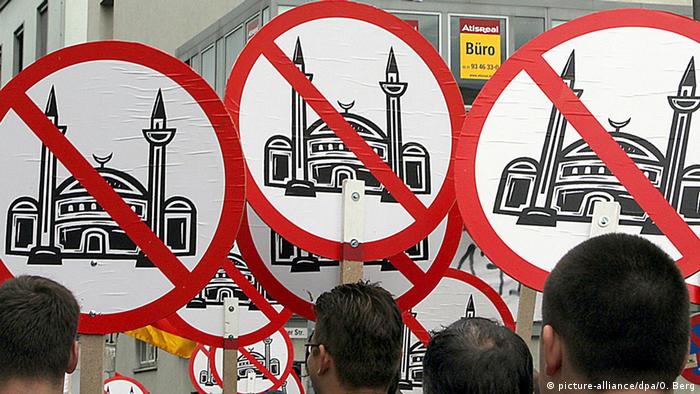
The AfD has benefited from anti-imgrarian sentiment in Germany, on the eve of the unprecedented refugee crisis in Europe.
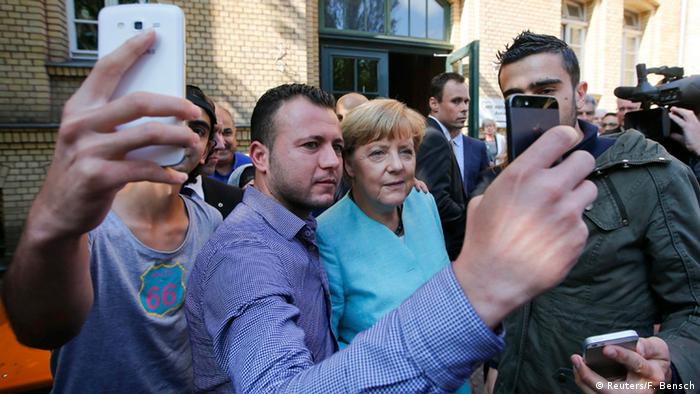
The party strongly opposes Merkel's pro-refuture policies that have resulted in a influx of over a million refugees from countries in the Middle East and North Africa in Germany over the past two years.
The party raised anti-refuge slogans and held protests against what they consider Germany's “Islamisation”.
In her victory speech, Merkel said she would try to win right-wing voters in the next four years as German Chancellors.
This raises the spectrum of AfD's efforts to force major political parties to change their stance on immigration and push the agenda towards political law that could result in deposits and difficult asylum conditions.
I've had sleepless nights since the election results came up. I'm afraid the government can deport me to Afghanistan”, told “DE” Kabir Usman, an Afghan asylum seeker.
I left Afghanistan because I was afraid of my life, but I still live in fear of deportation”, Usman, who has lived in Germany for three years, added.

Usman's asylum application has been rejected by authorities, but he still hopes to stay in the country for a longer period.
German Chancellor Merkel has courageously defended her refugee policy, insisting that her decision to take refugees mainly from Syria, Iran and Afghanistan in 2015 was fair. But many, even in her party, are skeptical of the Chancellor's approach.

The main concern is that in order to win right-wing supporters, Merkel may be forced to strengthen its policy towards refugees.
<x) Rafa Khan Wolfa, an Afghan refugee who lived in a village near Culny.

Experts stress that the government has already taken a hard line towards refugees. Before the elections, German authorities decided to resume deportations to Afghanistan.
“After the elections, bringing foreigners to a certain degree, similar to what happened in the US after Donald Trump became president, but as long as Merkel and other democratic politicians are committed, the system will be protected” said a researcher from Pakistan who does not want to be identified./Periscopi/