a day ago
Do we feel pain before we die? Consider What the Study Says

Periskopi(8 years ago)
(8 years ago)Many people fear death, largely because of the perception that they may feel pain, or other terrible symptoms, as the moment approaches. Often, it is believed that physical care may not relieve this pain, and many die in terrible pain. But in fact, something like that is very much [...]
Often, it is believed that physical care may not relieve this pain, and many die in terrible pain. But in fact, something like that is very rare.
Data shows that pain and other symptoms, such as fatigue, insomnia, or respiratory problems, actually improve as people approach death.
In an article on her own, the British daily “DililyMail” writes that more than 85 percent of patients in parental care do not have serious symptoms at the time they die.
The data from such a center in Australia shows that over the last decade, there has been a notable improvement in the relief of pain before death.
There are a number of factors that play a part in the most effective physical care, such as caring for the patient's needs, better treatments, and so forth.
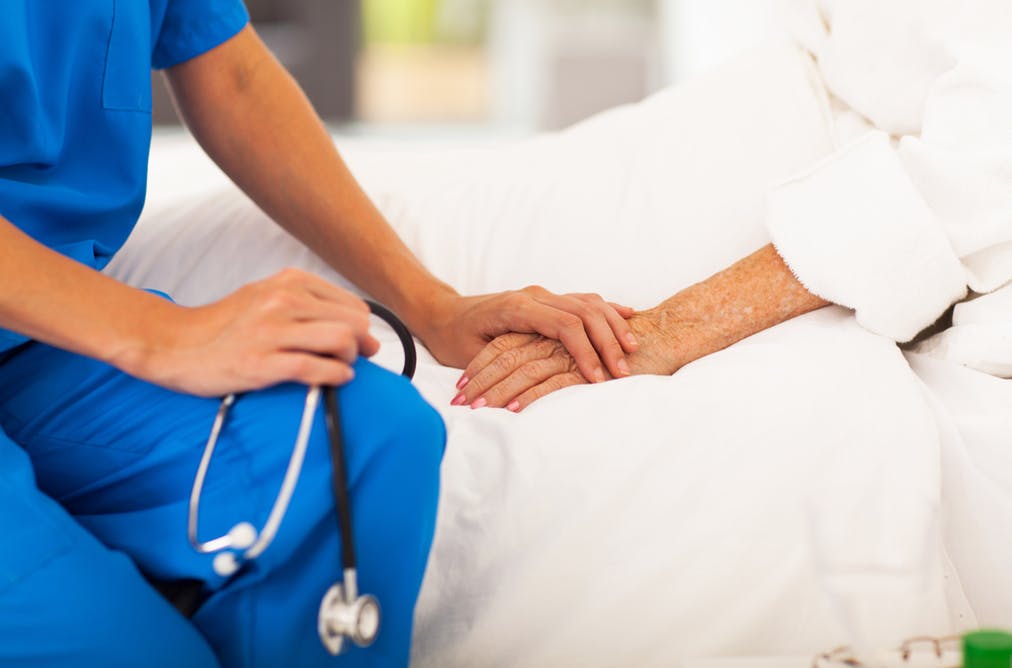
However, not all receive the same care at the end of their lives. According to official data, about 160 thousand people die each year in Australia and it is estimated that 100,000 of these deaths are predictable. However, only 400,000 receive specialized job care.
Worldwide, it is estimated that some 40 million people need job care, 78 percent of which live in countries with medium income. Only 14 percent of those who need such care manage to take it.
What Is Hospitable Care
Paulial care is called comprehensive treatment for people suffering from diseases that are life threatening, such as cancer, political progressive disorders, neurological, renal, HIV/ AIDS and so on.
Paulial care addresses not only the issue of physical suffering from the disease but also issues related to the human right to a better ending of life in all aspects: psychological, social, psychological, and spiritual.
That is why Paulial Care is not limited to caring for the sick but also addresses the needs of family and community around them.