4 months ago
Albania's Hidden Homosexuality

Periskopi(9 years ago)
(9 years ago)Foreign travelers who have visited Albania, beyond the brave character of Albanians, have underlined and elements of a hidden homosexuality in various provinces. In a video released by U ET P RESS, in conversation with Alda Bardhalin on his new book Sandwich, publicist Mustafa Nano says hidden homofolia [...]
Foreign travelers who have visited Albania, beyond the brave character of Albanians, have underlined and elements of a hidden homosexuality in various provinces.
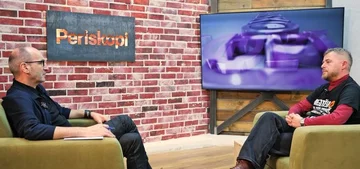
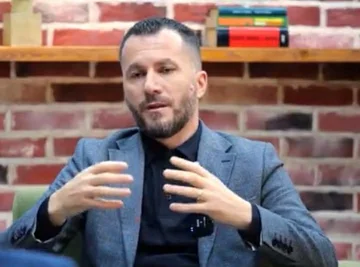
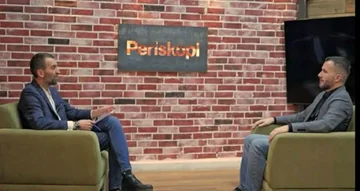
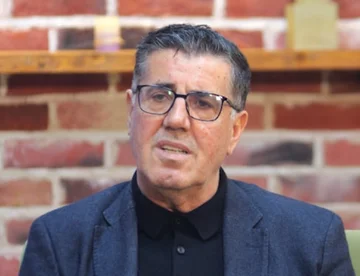
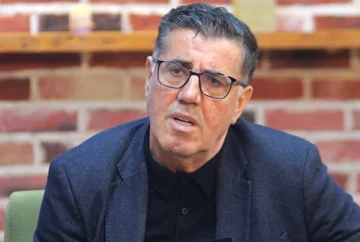
In a video released by U ET P RESS, in conversation with Alda Bardhalin on his new book Sandwich, publicist Mustafa Nano says hidden homofolia has been distinguished by foreigners.
Here's the video conversation.
Foreign travelers who have visited Albania beyond their strong character have often underlined that they are handsome men, or beautiful men?
Not only Byron, but in general all foreign travelers, not only English but also French or other nationalities, have distinguished the Albanian portraits of physical appearance, I don't know why, they've distinguished us, because besides clothing there were somatic elements, facial, body look, all talk about a decent body of Albanians, light, without many stomachs, for men.
Are there historians talking about a kind of hidden homosexuality of Albanians, especially in northern Albania?
Now in the north, this has been distinguished from Hani, but there are also south and south from Chelebius to Gjirokastra, and this kind of hidden hemophilia, of course, may have been distinguished by other travelers, then by Lord Byron.
In fact, one of the best biographers, writer Alexander Duma, does not hesitate to show that Ali Pasha did not like to carry only females but also men
The store is not saying Ali Pasha was gay, spoke of a harem, but in Turkish harems, then there was a little complex among eunuchs and Dymas, and maybe the eunuchs took them for men of harem.
This book you further deepen the question of converting Albanians?
I've done it, too. Pax Albanica, but at Sandwich, I try to make an extenuating explanation. Many have taken up this matter. They have also tried to make an explanatory explanation. It's a little hard to add, because there's a long drain on the academic plan.
But I've stopped by something that I find special, that others have not seen in the way, which is the relationship of Albanians with guns. Unlike other Balkan peoples, not to speak of other peoples of Europe, Albanians have an erotic relationship with weapons, ready-to-be washing guns, not having Serbs had it, not even the Greeks.
In the middle of the nineteenth century, but a little later, travelers going to the Balkans went around and didn't see people with arms, only Albanians with guns on their shoulders, especially in Chammeria.
And this relationship with the weapon should be considered by researchers and to view it as an explanatory factor of conversion, along with other factors.
In that time, the Muslim man had the right to carry arms, even squares, and the non-Muslim was forbidden from holding arms secretly, because being caught with weapons was a serious criminal offence, and in that sense Albanians preferred, in my view, to convert to another religion and abandon their first religion and not be stripped of their right to bear arms.
The weapon for them has been more important than their relationship with their religion, even with their original religion, Christianity, but also with the religion they took next.
The weapon has been a very important element of Albanian life, of the Albanian ethos, of its vision of the world, and I consider it an important factor of conversion, this relationship of Albanians with weapons. ( TemA)