4 months ago
Huffington Post: Kosovo, a treasure of humanity in the Balkans

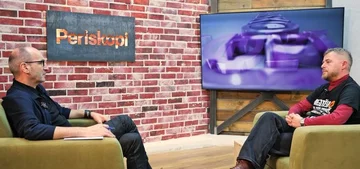
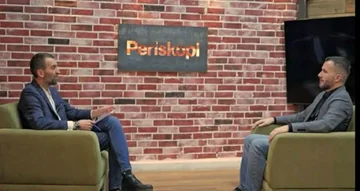
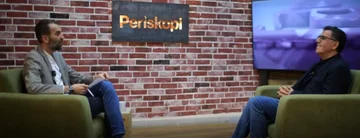
Periskopi(9 years ago)
(9 years ago)The youngest country in Europe is the miracle born of imperial ashes and the noise of the former Yugoslavia. Her story is as unprecedented as it is painful. During the two millenniums, Kosovo was swallowed up by the Roman, Byzantine, and Ottoman Empire before passing into the Kingdom and later in the Socialist Federation Republic of [...]
The small nation still awaiting international birth certificate is a collection of paradoxes. With an overwhelming majority of Albanians according to ethnic affiliation, the roots of its culture and language reach the depths of an ancient Illyrian tribe. For most of the 20th century, the Kosovo population was kept under Serbia's grip until 1999. When the rest of the Eastern Block was moving towards democracy and free market, Kosovo was beginning its freedom struggle.
During the time of Balkan war destruction, the world took a stand. After 2000, it was decided that Europe's safest and only option was an independent and sovereign Kosovo. However, the turbulent and very new history continues to impede Kosovo's establishment on the international stage. However, the country remains hopeful. The fact that the situation and its economy are still taking its feet did not pose an obstacle to limiting Kosovo's human capital potential or clouding the coolness of its vision.

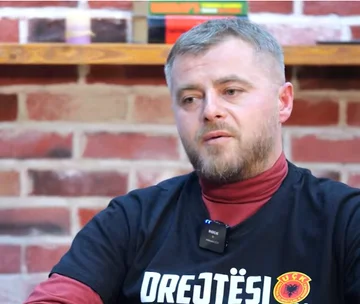
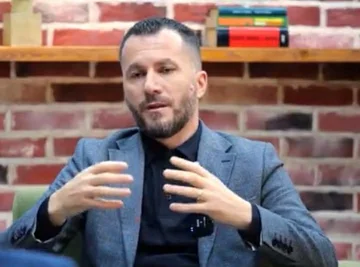
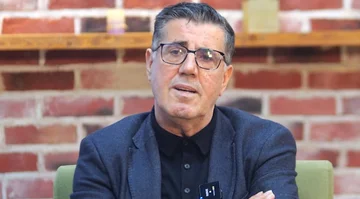
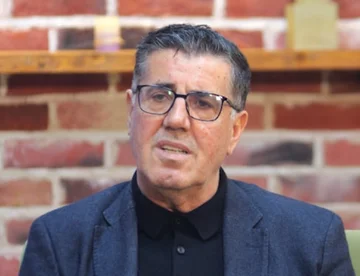
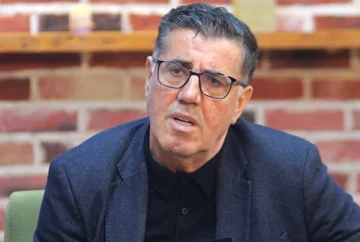
- Freedom Greicevci shares his knowledge of Kosovo's keen path towards independence, as he has been part of it since the beginning. While he speaks of difficult relations with stubborn Serbia, an elevated message emerges from his reflections. People who possess integrity and combine compassion with practice always face great attention and a helping hand. Kosovo serves as a reminder that hatred and fear have short legs, while forgiveness, tolerance and patience are on the road to peace and success.
We were part of the Ottoman Empire for 500 years and many people returned to Islam
Kosovo was once part of the Roman Empire, then the Byzantine Empire and was later conquered by the Ottomans. We've been in control for 500 years. Prior to that, Kosovo Albanians were mostly Christians. After we were integrated into the Ottoman sphere, most people became its culture and religion. That was the only way we could participate in the public life of the empire. It is also why the alliance with the Ottoman Empire was so strong for us.
There were no autonomous national movements in the country
The weaknesses were that there was no basis for intellectuals to grow, within our culture at home. The Ottomans have not allowed English-language schools.

Ottomans viewed themselves as defenders
When other Balkan countries joined Russia on the eve of World War I, Albanians found themselves in a very complicated situation. Fearing that they would lose their territory from neighboring countries, our people decided to join the Ottomans. We were not part of the regional war against their empire, so when the major powers shared the Balkans, Albanians paid the price.
Our fate after World War I ended was different from that of most of the region
We were not released like the others, but we submitted. The territory of Kosovo was conquered by the Kingdom of Serbia in 1912. From that moment on, our freedom was cruelly oppressed. Deforestation of land, deportations, imprisonment, lack of access to survival, and lack of education were rate. A deliberate policy of colonization has been implemented. The goal was to encourage Albanians to abandon Kosovo. Many local communities were replaced by Serbs. This changed Kosovo's ethnic composition.
Kosovo was deceived in World War II
There was a general consensus that Kosovo would decide its destiny after the war. But the fact that some Kosovo Albanians supported the Germans and the Italians during the war served as an excuse to keep us in Yugoslavia by force.

We were never satisfied in Yugoslavia
There were demonstrations and riots in my country until President Tito made Kosovo an autonomous province. This period of education flourished, factories opened up, there was a national resurrection. But when Tito died in 1980, Serbs began to underestimate autonomy. Eventually, any hope of sovereignty was abolished in 1989, and Kosovo Albanians were expelled from all institutional life.

We created a parallel state within the state.
We held an independence referendum in 1991 but were ignored. Kosovo then made efforts with peaceful resistance and civil disobedience. We headed our schools, hospitals, and had a government in exile in Germany. Out of frustration that the peaceful path was not functioning, a secret group formed the Kosovo Liberation Army. Serbia reacted immediately with depression. The massacre and the burning of houses led to the shift of one million people.
Finally, in 1999 it was a peace deal eased by the international community
We accepted the peace agreement, but the Serbs rejected it. They undertook a mission for deportation of almost the entire population in Albania, they killed 10,000 people, burned 100,000 homes, raped 20,000 women. As a result, the international community decided to bomb Serbia and Kosovo for 78 days. Only then did Serbia withdraw, and Kosovo was placed under the UN auspices for 7 years.

We had to build the place from scratch.
This included institutions, legislation and the educational system. We are fortunate to have many young people who are educated in some of the world's best universities, and who have returned to help build Kosovo.
Declaring Independence
The UN special envoy in charge of recommending a final solution for Kosovo decided independence was the best option. Unfortunately, Russia vetoed this solution. We were left with only one opportunity to declare Kosovo's own independence. That's what we did in 2008.
We did not want independence as a matter of prestige
Independence was the only way Kosovo could protect its freedom. We will never allow Serbia to decide our future for us, after what they have done to us.

Old Ties Helped Us
Last alliance with the Ottoman Empire meant that Turkey has supported us all along. She lobbied for us among Muslim countries. We have a good trade connection with Turkey, and Turkish businesses are not afraid to invest in Kosovo. On the other hand, Western investors still see Kosovo as a dangerous place.
Kosovo has very symbolic significance for Serbs
They created a myth that Kosovo is the cradle of Serbian civilisation. Historians testified that this was a legend.
Serbia trying to undermine our stability
They lobbied too much to prevent us from joining the U NSO and Interpol. They intimidate investors and use the Serb minority in Kosovo to postpone their agenda. Transition to a free market economy has not been easy, because Serbia still has claims on Kosovo property. The goal is to destabilise Kosovo from within and for Kosovo to be viewed as a failed state. We have never seen our Serb minority as a threat. They have broad rights, and although well integrated, they still receive their instructions from Belgrade. This has to stop.
Serbs undermining peace in Balkans
Kosovars are frustrated. Serbia is not yet facing its past. They have never apologized or expressed regret. Moreover, there are several groups of Albanians in Kosovo who will experience a union with Albania. If Serbia continues to frustrated our efforts to join the international community, those groups will become much more prominent. The consensus in the country is that Kosovo is an independent country. But if the people are disappointed, they'll start looking for another solution.
We have not yet applied for UN membership due to Russian threats
Effectively and because of it, my country has no birth certificate that proves it officially exists. This makes life difficult, as without it we cannot apply for EU membership.
We doubt Russia is blocking our membership due to its national interest
The Orthodox Brotherhood of Serbia and Russia is only part of the story. Maybe Kosovo is a negotiation tool? Russia may ask for something in return for the recognition of Kosovo, and the international community may not be willing to pay the price for it.
EU critical for peace in region
For Britain, the EU is a trade bloc. For us, the EU is much more than that. The EU is a guarantor of peace agreements and an engine behind reforms. The EU is the only alternative for us so that Serbia can accept us and behave like a peaceful neighbour. Without peace between Kosovo and Serbia, the entire region is at risk.
We are negotiating with Serbia under EU auspices
It is a difficult road, but we hope that soon we will find a solution acceptable to both sides so that both countries can move forward. We need to normalise relations with Serbia before we join the UN, the EU and NATO. /Zeri