14 minutes ago
Bundestag tensions as to who will sit next to the AfD

Periskopi(9 years ago)
(9 years ago)Who should sit next to the right wing of the AfD, in the German parliament, and who will share the administration with them? MPs from the main parties in some of Germany's state legislatures have already considered these questions and have some advice for their federal counterparts. They have held heated discussions on television debates [...]
Who should sit next to the right wing of the AfD, in the German parliament, and who will share the administration with them? MPs from the main parties in some of Germany's state legislatures have already considered these questions and have some advice for their federal counterparts.
They have held heated discussions on television debates and the state legislature, but within two weeks, Germany's national parliament, Bundestag, will be involved in the first tensions between the right-wing populist party, the Alternative to Germany ( AfD) about what the AfD calls ironic “old partners”.
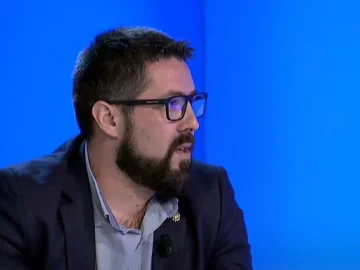
Currently, there have been numerous ideological disputes even before, as is the case of Claudea Roth from the environmentalist and promigration party, the Greens', who reacted sharply against the newest member of the AfD faction, Markus Frohnmeier.
After a wave of sexual assaults, at Kiln on the eve of New 2015, which was carried out mainly by North Africans, the AfD leader, Frohnmaier said, that in his opinion, people like Claudia Roth have been their accomplices.
His words shocked the general public.
So far, AfD MPs have met three times in Bundestag, but meetings have been held in remote areas of the building so MPs from other parties do not meet with each other.
Party representatives, whose faction has already been reduced to 92 countries after the departure of two members, also were alone during the banquet.
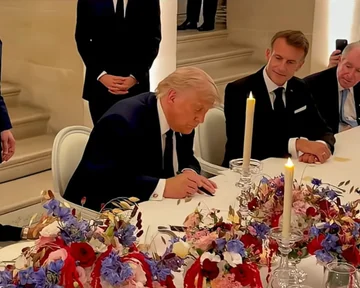
A small table was laid in the lobby outside the plenary room, for AfD representatives.
But, this whole situation will change by 24 October, with the new Bundestag's first plenary session held.
And the less MPs from other parties want to deal with their right-wing and anti-immigrant counterparts, it is clear from the negotiations which of the factions should sit next to the AfD.
None of the other parties want to be close to them, even though everyone has stressed that they will not be able to avoid AfD when it comes to political disputes.
Currently, the AfD is represented in 13 of the 16 German state parliaments, and MPs from other parties have some advice for their colleagues in Bundestag to help them deal with the populist party.
Their basic message is to be polite, but to keep a certain distance.
At the same time, try to maintain calmness and targets in the face of personal attacks and verbal provocations likely carried out by AfD members.