35 minutes ago
How safe are residential facilities in Kosovo?
Periskopi(an hour ago)
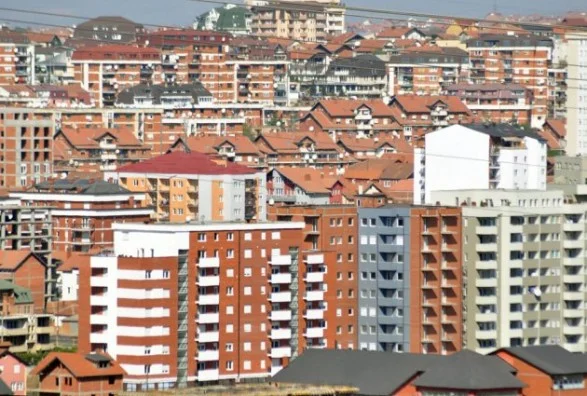
(an hour ago)Thousands of new residential objects have been built in Kosovo in recent years, followed by questions about whether they meet safety conditions for residents.
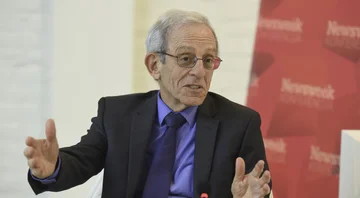
According to Pristina University's Faculty of Construction Engineering dean, Florim Gajchev, there is not enough institutional control over construction standards.
In Radio Free Europe's score of 5 questions, he says legal changes must be made for Kosovo construction to be certified by higher institutional levels.
The “communs, in general, in Kosovo, in this respect have a small number of staff, and in no way have enough capacity to do inspections and inspections through buildings. The reason is simple: there are many constructions and few people, say Gajchev.
For this reason, he proposes an alternative model, where academic institutions and technical professionals would be included in project assessment.
As for security conditions at collective residential sites, Gajchev says they are often not met by builders.
“Alarms are not enough for the effect of fire safety”, he says, clarifying that the alarm only warns of fire but does not extinguish it.
According to him, in public and collective buildings, automatic fire extinguishing systems, stairs and emergency exits should be mandatory, not optional.
For the buildings' poor shortcomings and quality, Gajchev says responsibility is chain responsibility.
“From the designer to the builder, to the one who has issued the certificate for use”, he is expressed in 5 questions.
In cases where citizens who want to buy a flat and do not know the quality of the object, he suggests that they publicly consult a construction engineer to see if the residence they plan to live in meets security standards. /Periscope