a minute ago
AUV paradox: The factory was rented for 20 years, but state continues to pay for animal burial
Periskopi(an hour ago)
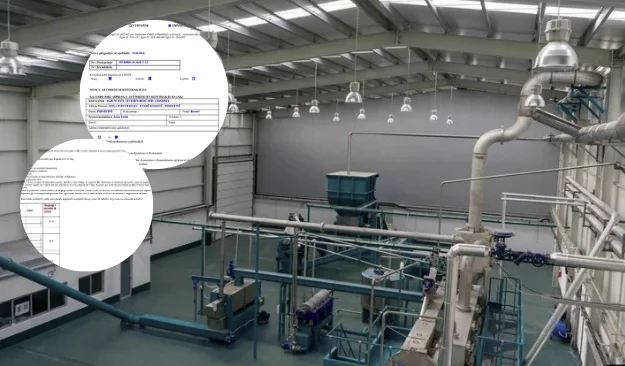
(an hour ago)Despite Kosovo already operating the plant for the processing of animal byproducts, built millions of euros for the Government of Kosovo and the European Union to end the practice of burying dead animals, the Food and Veterinary Agency (AUV) continues to spend thousands of euros on this primitive method of annihilation.
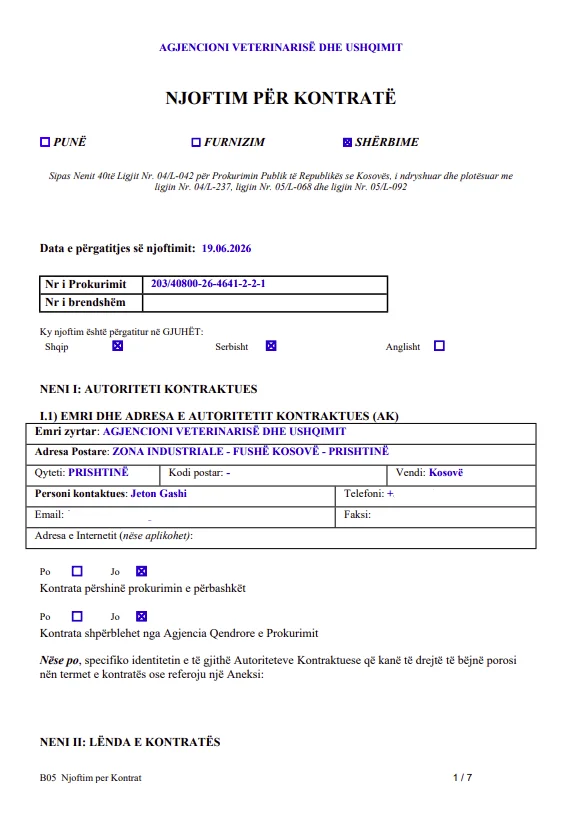
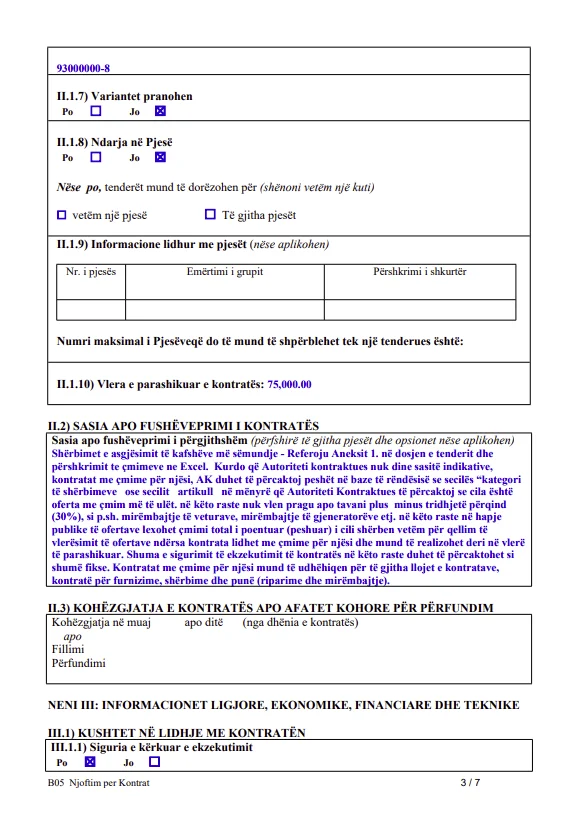
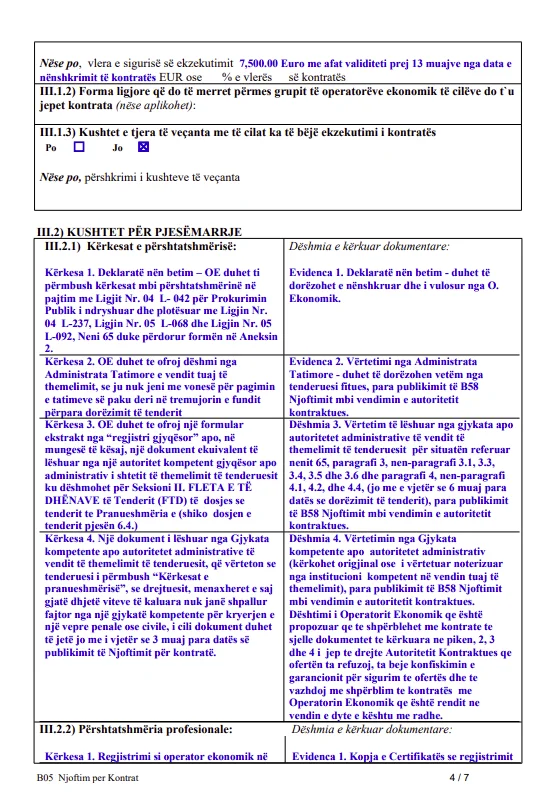
Finally, AUV has even announced a tender, worth 75 thousand euros per"The animal extinction services", though the plant for the treatment and processing of animal waste in Drenas Business Park has already been put into operation and given to the company"for 20 years LEP KS & IT"S.P. K, report Periscope.
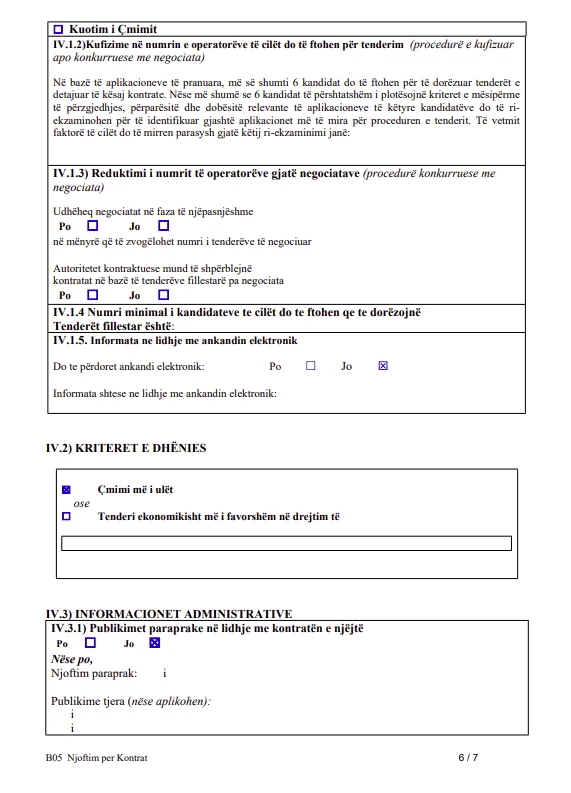
According to the contract announcement, the economic operator that will be selected will carry out the transportation and burial of animals affected by diseases throughout the territory of Kosovo. The tender is planned as a one-year framework contract, while the selection criterion is the lowest price bid.
The Ministry of Agriculture, through the Food and Veterinary Agency, has provided 20 years for use the plant for processing animal byproducts, an investment of about 8m euros financed by the European Union and the Government of Kosovo.
The facility is designed for the treatment of dead animals and animal remains, in order to keep them from being buried, but to process industrially, becoming used products, in line with environmental and veterinary standards.
By the time the factory was given to the private operator, the government had declared that its functioning would end the practice of throwing and burying animal wastes, a practice that conflicts with European Union standards for managing animal byproducts.
However, the tender documents show that AUV continues to require exactly animal transportation and burial services.
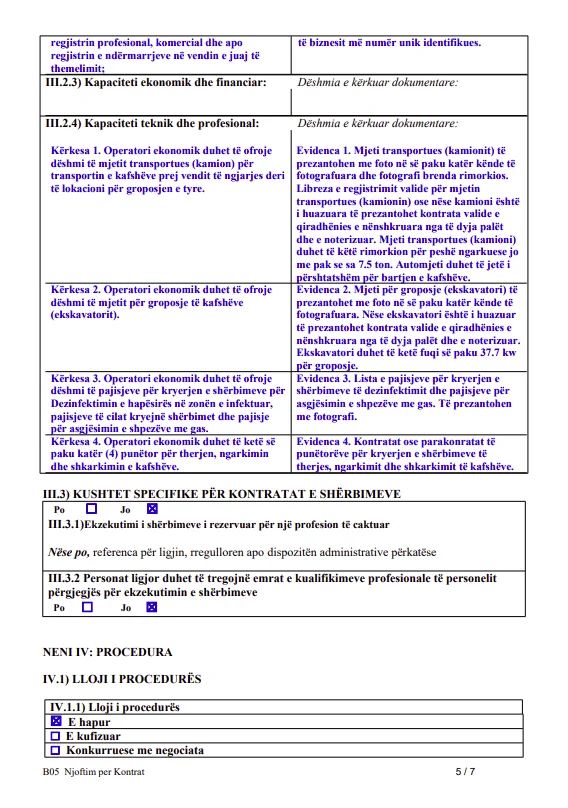
The competing economic operators should be able trucking for transport, excavatory for digging holes, disinfecting equipment, bird disposal equipment, and have at least four workers for slaughtering, loading, firing and burying animals.
According to the tender file, animal annihilation is carried out on the basis of lab analysis results, tests conducted on the ground for diseases such as tuberculosis (TBC) and AUV veterinarian inspector's decision. The burial location is defined in co-operation with municipalities, according to legislation in effect.
The envisioned procedures are detailed. The contracting company must be released at the site of the event at the request of competent authority, disinfect the transport vehicle before the entrance to the infected farm, load the animals, clean and disinfect the space they have stayed, transport them to the site of extinction, and then dig the hole with excavator, the size of which is determined according to the number and type of animals.
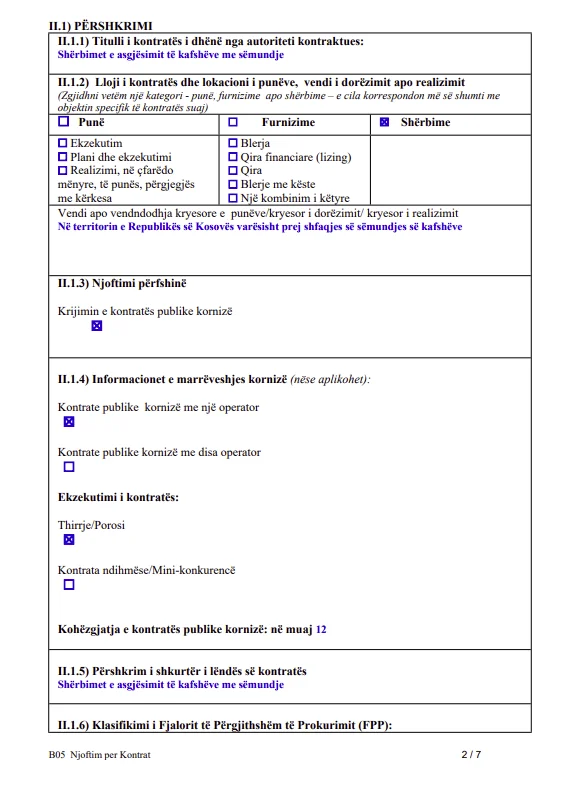
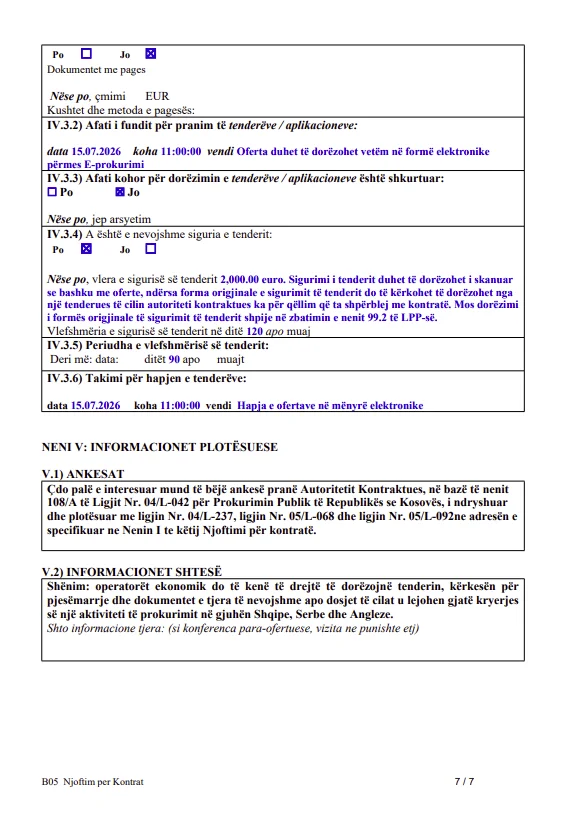
AUV has also determined the navigational dimensions of the pits. According to the documentation, a six - foot - long [6 m] hole, 3m wide and 4m deep can occupy some 20 heads of cattle, 60 sheep, goats, or pigs, or as many as 1,000 birds.
After the slaughter of animals from the contracting company, corpses must be treated with caustic soda, then the hole will be covered and the disinfectant will be performed with virucides, bacteria, and fungi acid. Besides the pit, transportation, surrounding space, and persons involved in the process should be disinfected. Any outbreak of disease on a farm will be considered a special occasion, involving all transportation, burial and disinfecting procedures.
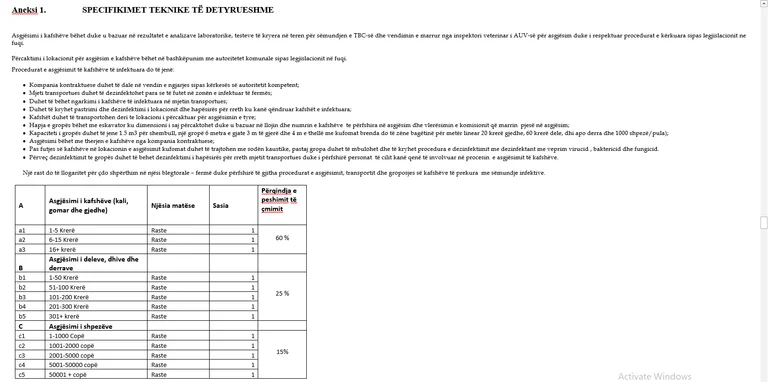
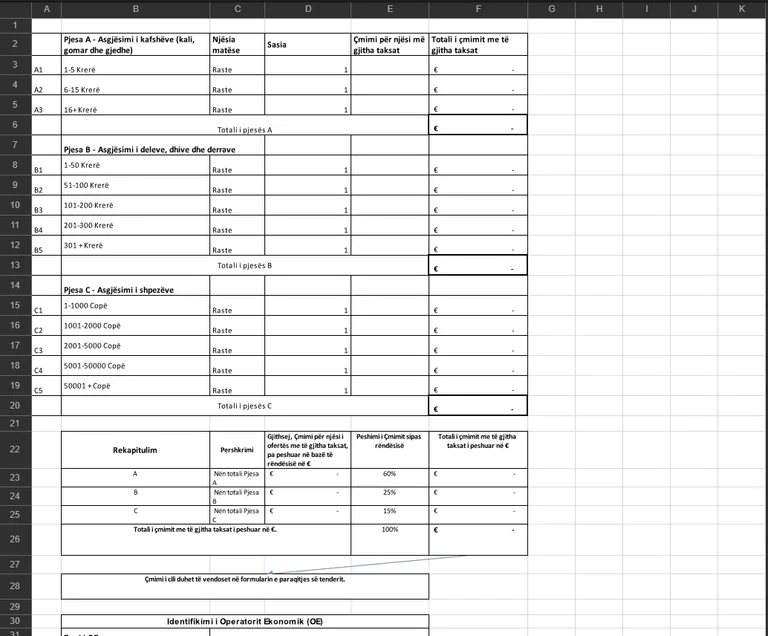
This tender shows that, despite the existence of a modern plant built precisely for the processing of animal waste, AUV continues to finance the traditional burial method. This approach, according to European Union standards, is considered the last solution and is used only in extraordinary cases, since it can pose a threat to soil and groundwater pollution if strict technical conditions are not respected.
Periscope During the month of April last year, he had been reporting exclusively on the 8 million scandal for the processing of animal waste.

![Infraco with automatic washing on Kosovo Fushe line: Do not approach the tracks less than 10 feet [3 m]](/cnt/019f223c-db35-796e-8465-caa488405a08__s.webp)