7 hours ago
How is Kosovo's religious map changing?
Periskopi(15 days ago)
(15 days ago)The 2024 population census has brought an interesting picture of changes in Kosovo's religious composition.
While Muslims continue to make up the vast majority of the population, their numbers have seen significant declines compared to the 2011 census, says a Radio Free Europe survey. At the same time, Catholic and Orthodox communities have registered relative increases in percentages and numbers.
According to data published by the Kosovo Statistics Agency and presented in Radio Free Europe Infographics, the number of citizens declared Muslim has dropped by more than 180 thousand people compared to the 2011 census.
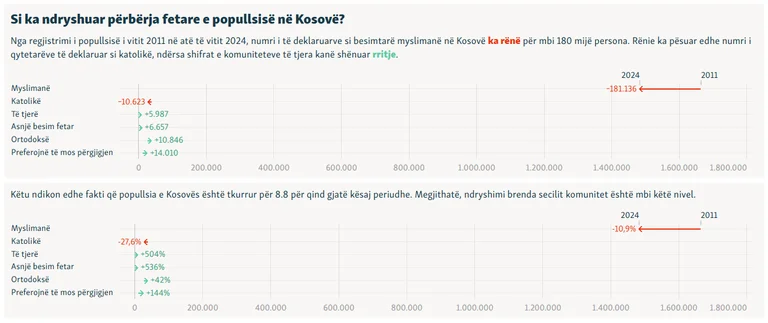
However, Islam remains dominant in the country, including over 90 percent of the population registered.
The decline is not necessarily linked to massive changes in religious beliefs, but primarily to the overall contraction of Kosovo's population as a result of migration, population aging and the decline of nighthood. The 2024 census confirmed that Kosovo has fewer inhabitants than it did in 2011, a trend that affected almost all demographic categories.
On the other hand, the Catholic community has marked growth. The number of citizens declared Catholic is higher than in the previous census, reflecting not only demographic changes but also a greater declaration of religious identity. A similar tendency is noted in Orthodox believers, though to a lesser extent.
Another interesting element is the increasing number of people who have been declared atheists, agnostics, or nonreligious. Although it is a small part of the population, this group is evidently larger than in 2011, reflecting a trend that is also seen in many European countries.
Demographic experts estimate that these changes should not be interpreted as immediate transformations of the religious identity of Kosovo society. Rather, they reflect migration, changes in population structure, and the greatest willingness of citizens to declare their personal beliefs.
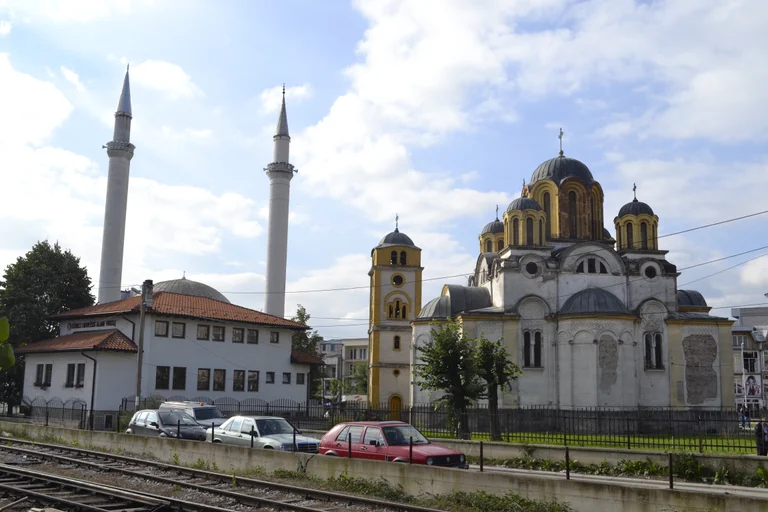
Despite the changes, the census confirms that Kosovo remains one of the countries with the highest religious homosexuality in Europe, with Islam as dominant belief. However, new data shows that religious landscape is gradually becoming more diverse and complex than a decade ago.
Beyond figures, the 2024 census offers a photograph of a changing society that is smaller in number, more exposed to migration, and more prone to express its religious identity or absence.