11 minutes ago
US in diplomatic action: Nominon ambassadors in Serbia, Bosnia and Montenegro Kosovo pending
Periskopi(24 days ago)
(24 days ago)The United States has launched a new wave of diplomatic appointments for several Western Balkan countries and beyond, proposing new ambassadors for Bosnia and Herzegovina, Serbia, Montenegro and Albania, while no new nomination has yet been made public for Kosovo.
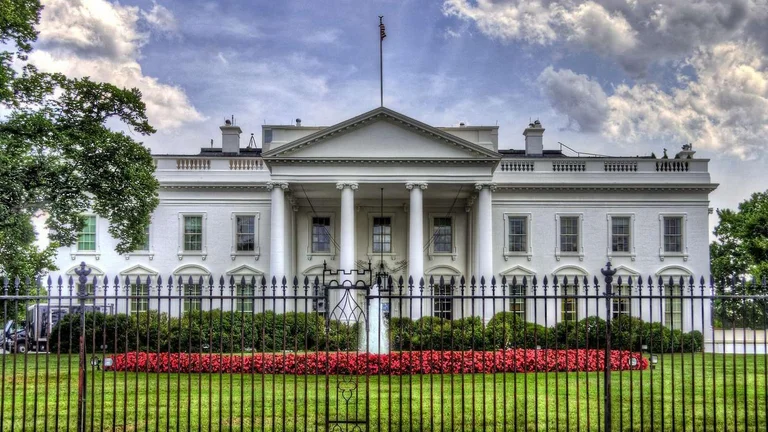
According to announcement White House For Bosnia and Herzegovina, June 1st, Ronald Johnson has been nominated by the state of Massachusetts for the post of extraordinary and powerful US ambassador. Michael Young of the state of Uhta has been nominated for Serbia, while Peter McCoy of South Carolina has been nominated for Montenegro.
As for Albania, the nominated ambassador is Eric Wendt, who recently appeared before the American Senate Foreign Relations Committee. During his testimony, he stressed that the main priorities, if confirmed, will be the protection of American citizens and advancing the interests of the United States, the Clancosova broadcasts. tv
In the same wave of nominations, the U.S. has proposed ambassadors for a large number of other countries, including El Salvador, Azerbaijan, Cambodia, Cavoural Guinea, Moldova, Indonesia, Bulgaria, Trinidad and Tobago, Paraguay, Colombia, Lithuania, Egypt, Brazil, Ecuador, Zambia, Sierra Leone and Kenya.
The American ambassadors' appointment process runs through a constitutional procedure of “counciling and consenting” of the Senate. Initially, the president of the United States nominated the candidate, who is then considered by the Senate Foreign Affairs Committee. This committee holds hearings, where candidates answer senators' questions and present their priorities.
After the review, the committee votes and recommends to the Senate candidacy. Only after the Senate adopts it by majority, the president formally appoints the ambassador, who then starts office in the host country by delivering credentials to the head of state.
Unlike many other countries, the president's nomination is not enough for taking office, as confirmation by the Senate remains a crucial step that can take weeks or months, especially when the process is accompanied by political debate.