an hour ago
World Bank: US-Iran War has brought the global economy to the lowest level since COVID-19's pandemic
Periskopi(a day ago)
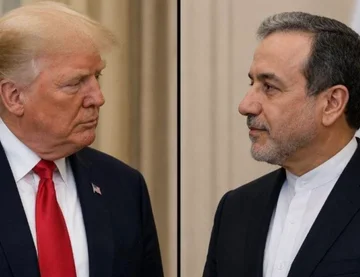
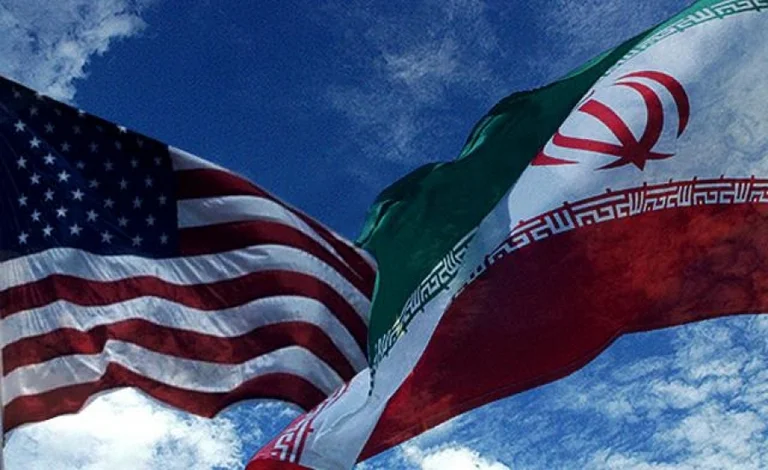
(a day ago)The World Bank has warned that war in the Middle East, particularly the direct conflict between the United States, Israel and Iran, is expected to slow global economic growth to the lowest level since the period of COVID-19.
In its latest report “Global Economics Prospers”, published today, the World Bank has reduced the forecast for global growth in 2026 to 2.5%, from 2.9% in the January forecast. This represents a reduction of 0.4 percentage points.
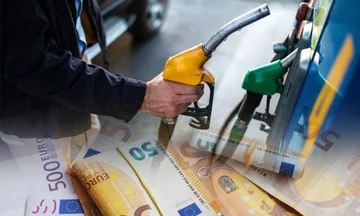
According to the report, this decline is mainly related to higher energy prices, rising inflation and higher borrowing costs.
The conflict has affected the significant increase in oil and gas prices, at the price of Brant oil, which at certain times has reached near or over $90,100 per barrel. This situation has directly contributed to increased costs of global production and transport.
The report also notes that inflationary pressure is forcing central banks to maintain higher interest rates for a longer period, while rising debt, particularly in developing economies, is making financing more expensive. Geopolitical uncertainty, including the risk of escalation conflict and disruptions in goods markets, is further increasing global economic instability.
Growth in emerging economies is expected to slow to 3.6% in 2026, while two-thirds of the world's economies are facing decline in forecasts.
The most affected regions are the Middle East and North Africa, where growth (without including Iran) is expected to drop from 4% to 2025 to only 1.8% in 2026. Gulf economies can approach zero growth due to disruptions in hydrocarbon production.
South Asia, meanwhile, remains the region with the strongest performance, with the projected growth of about 6.3%. However, most emerging economies continue to cope with slow economic convergence with developed countries, signaling a lost “decide” of growth for many of them.