4 hours ago
New Test Reveals Pancreatic Cancer Early
Periskopi(a month ago)
(a month ago)A new innovation test, supported by artificial intelligence, can detect pancreatic cancer up to three years before diagnosis, providing hope for increased survival in one of the deadliest forms of the disease.
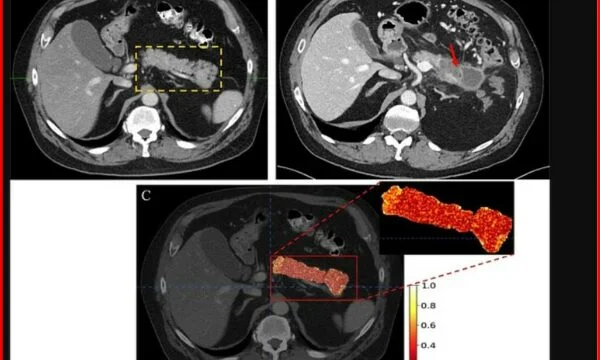
Researchers from the Mayo CIA have developed a model called REDOD, which identifies very small changes in tissue that are usually not identified by traditional imaging methods or by radiologists themselves.
Pancreatic cancer is considered especially dangerous because of its quiet “ ” nature. In early stages, symptoms are unclear as mild back pain, fatigue or digestive problems and are often neglected. As a result, about 80 percent of cases are diagnosed only after the disease has spread when surgery is no longer possible.
The study, published in Gut magazine, showed that REDMOD managed to detect signs of cancer an average of 475 days before diagnosis. The system proved more accurate than radiologists, identifying 73 percent of cases compared to 39 percent that experts reached.
According to the lead author Ajit Goenka, the biggest challenge has always been to identify the disease in stages where it is still treatable. He points out that this technology can detect the signs of cancer even when the pancreas seems normal in appearance.
Experts believe this approach could change the way pancreatic cancer is diagnosed, moving from late discovery to early prevention. However, further studies are required to confirm its effectiveness in widespread clinical use.
Currently, only about 12 percent of patients survive five years after diagnosis, which makes any progress in early discovery an important step in fighting this disease.