5 hours ago
He was a phenomenal boxer, but his life was stolen-- kept 19 years in prison for a crime he didn't commit.
Periskopi(2 months ago)
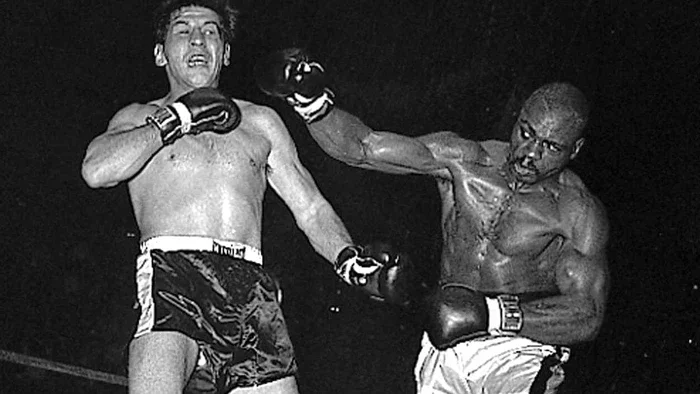
(2 months ago)Ruby Carter was born on May 6, 1937, and died on April 20, 2014. He was an American middleweight boxer and one of the most powerful icons of war against institutional racism in the American justice system. His life was permanently marked by his conviction for a triple murder he did not commit, for which he spent almost two decades behind bars.
In the mid-60s, Carter was among the most promising fighters in his category. Known by the nickname"Urabani"because of his explosive fighting style, he was already on the cover of The Ring in 1963, which was a confirmation of his meteoric establishment.
He was in serious competition for world champion, and in 1966 his career collapsed unexpectedly. That year, he was charged with a brutal triple murder in a bar in New Jersey based on the testimony of two criminals who later admitted to lying under police pressure.
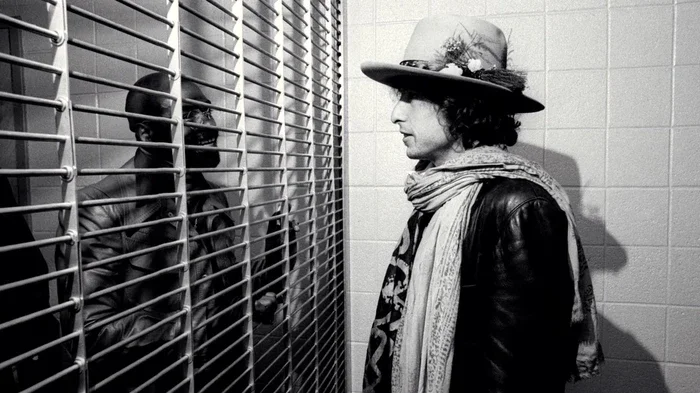
He remained in prison for 19 years
Carter and the other defendant, John Artis, took their innocent stand, but a jury made up entirely of whites sentenced them to life imprisonment. Although there was no physical evidence linking them to the crime scene, Carter ended up in prison, where he spent 19 years.
His struggle for justice over the years has become a symbol of the fight against racial discrimination and corruption in the American justice system.
Carter's story has inspired countless people, but no one has had such a powerful impact on changing public opinion as Bob Dylan. In 1975, Dylan wrote the song “Hurricane” or in Albanian “Urabani”, a powerful protest ballad that alarmed the world for the injustice Carter had suffered.
The song became an anthem for activists. Dylan even visited Carter in prison and organised charity concerts to help revive the legal process.
He fought for other innocent victims
In 1985 alone, Carter's sentence was eventually overturned, with a federal judge eventually ruling that the trials were based on"racial prejudice"and"illegal prosecutorial amendment".
After his release, Carter did not retire, but dedicated the rest of his life to helping other victims of unjust decisions through the Association of Inocency International.
Rubin"Ukrainian"Carter died of prostate cancer in 2014 in Toronto, where he lived in his last years. He was more than a boxer - he was a symbol of war for truth and justice.
His case continues to be remembered as one of the most famous examples of the deadly combination of racism and systemic oppression. /Periscope