5 hours ago
If you feel like “is” this may be a very simple reason
Periskopi(a month ago)
(a month ago)As temperatures begin to rise gradually, the importance of properly hydrated attitudes becomes ever greater.
Thirsty is one of the most visible signs of dehydranation, along with drying the mouth and lips, the darkest urine and the most rare need to go to the toilet.
In more serious cases, you may begin to feel sluggish, dizzy, or even confused. However, there are other symptoms you may not have taken into account before.
Dr. Barbara Kubicka, founder, director and doctor at the clinicale clinic in London, told Surrey Live last year:
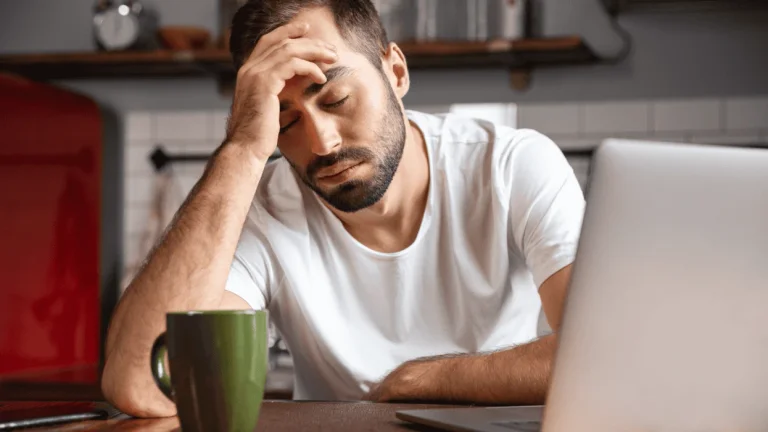
Sometimes, feelings of sluggishness and fatigue may be a sign of dehydration, which people often attribute to other reasons. This is especially true when the weather is hot. During warm, hot periods, we sweat more and therefore need to drink more water than usual to compensate for additional fluid loss.
In addition, when it is warm/hot, our blood vessels tend to expand to distribute excess heat from the body. This expansion (vadilatation) may reduce a bit of blood pressure, and if you don't drink enough to compensate for this drop, you may feel weak and sluggish”, reports Telegraf, broadcast Periscope.
The recommended daily amount of water is about two quarts [2 L] a day, although it changes according to individual needs, including body weight, physical activity level, and caffeine consumption, among other factors.
Explaining the body weight impact on water consumption, Dr. The cube said:
Adults need about 30 meters per kilo a day. So a person 50 kilos must drink about five quarts [1.5 L] of water a day, while a person has about 80 kilos [80 kg] of water. ”
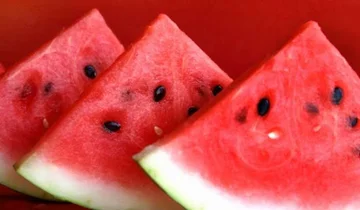
The most effective way to preserve hydration is to always keep a bottle of water nearby and drink small sips throughout the day. However, beverages are not the only source of hydration: water is found in such fruits and vegetables as lettuce, celery, fresh pumpkin, cucumbers, cabbage, and watermelon.
Dr. Kubucka added:
Any drink that doesn't contain caffeine and is not alcoholic is calculated in your drinking. Decaffeinated beverages and alcohol are not calculated because they cause the body to lose more water. So if you consume alcohol or caffeine, you should compensate for it by drinking more water. ”