2 hours ago
Ben-Meir: Political crisis endangers dialogue with Serbia, Kosovo's Euro-Atlantic integration
Periskopi(2 months ago)
(2 months ago)Failure to elect the country's president within the constitutional deadline has led to the distribution of the Parliament and has paved the way for new parliamentary elections on June 7th.
This development comes at a time when the political scene in Kosovo continues to be marked by deep divisions and difficulties in reaching consensus on key state issues.
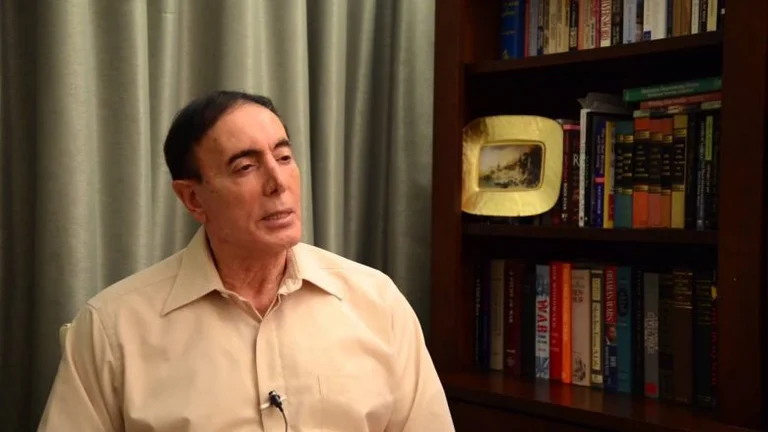
In this context, American international relations professor Alon Ben-Meir has praised the impact of these developments on the country's political and Euro-Atlantic stability.
He said this unclear situation could negatively affect dialogue with Serbia and benefit from regional and European Union initiatives.
The ongoing political instability has implications for Kosovo's Euro-Atlantic integration. As analysts have noted, repeated elections and institutional blockades can slow reform implementation and shift focus from strategic priorities, including the EU integration process and dialogue with Serbia. This could also affect Kosovo's ability to take advantage of regional and EU-backed initiatives. It could also weaken Kosovo's credibility as a reliable partner, encourage the sceptical member states and lower the momentum for providing steps towards candidacy and security delivery”, Ben-Meir told the news.net
In the end, Ben Meir stresses that getting out of the drive requires serious commitment from political actors to build consensus and respect the constitutional framework.
A possible road ahead would include renewed efforts by political actors to reach consensus on key institutional issues”, he says of news.net, transmits Periscopi, adding that sustainable political co-operation and engagement with international partners are essential for the country's stability.