9 minutes ago
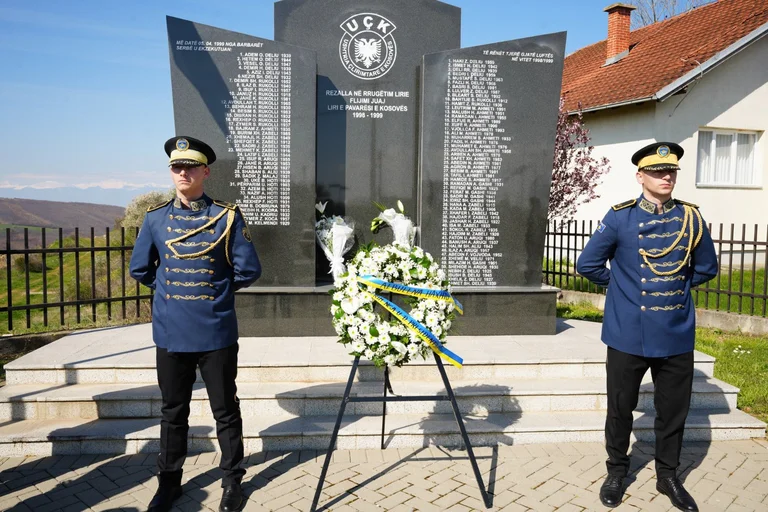
Amid tears and pain, witnesses and family members of the slain remember the Rezalla massacre
Periskopi(3 months ago)
(3 months ago)27 years ago, the plan of extermination by Serbia's regime was implemented in Scipalright and surrounding villages. On that day, April 5, 1999, boys and men of various ages, aged 13 until the age of 90, were separated from their families, robbed, violent by [...]
From Rezalla's massacre, memories of war continue to live deep in the hearts of families who suffered loss of family members. This incident in the last war remains an open wound - a painful memory that never fades.
That is how Amy Hajdari remembers that difficult time, which tearfully tells of the great losses her family has experienced. Her pain is deep and inexplicable.
Our family killed my father. One place they have, we're separated, I'm out of hand. And our brother was killed in Palala, and our two uncle's sons were killed, too. Anan was killed in Palak with my brother, and they killed him here in Rezalla... Do you believe we buried our brother after seven years, we have found him? It was in 17 years. 17 years we haven't had a day. 17 years from now we've found him. We buried him here in Rezalla. But today it's all the same for us every day, that we remember the kiss, we remember what happened, we remember when our father was taken by the hand, and I had a little bit, and she screamed... or killed my father, for my father. They said “not sleeping with”. E Today, our frustration is the same, as every day” expressed oil on the lips of Hajdari.
Today, after so many years, the pain remains the same as the day the tragedy occurred, says Milazim Rukoli, as he recalls the sad day he lost his family, confessing to the horror they experienced. The loss of loved ones and their absence continue to be felt in every family.
This is my brother, my second brother. He was killed in the middle of 13th Street district, 13 people killed us that day on April 5th... It's just that we've been torn apart by sides from the mountain and heard the shots “grrtro”... they killed us here. What's worse, worse news where it's gonna go... what's happening to me, this happened, they got war. But the worst that now the state you're looking at loses the blood of the martyrs. But our country that they're looking at loses the blood of martyrs. We have freedom from these, and now the state is watching and losing their blood. Shame on the state. This is a disaster”, show Rukoli.
He relates that 13 members of his family were killed on that difficult day, most young people, leaving behind a large void in their family and hearts.
And Sevdije Zabel recalls the moments when families were forcibly divided.
They split us up, men on one side, women and children on the other, and they took them, started for Likofc now they killed ours there. I had a brother, yes, The Source Brother's son. That brother with the whole boy. That guy didn't want to leave his father. They pushed him two or three times, they broke him up, but he said: Just like Dad, I need the other night. They killed him too. We remember it hard enough, but what we've done now, the war has been... left like this”, Zabel indicated.
These painful stories tell of a past that cannot be easily forgotten. The losses are many, while memory of the fallen remains alive as a moral duty and a reminder not to allow history to be distorted.
Sadri Deliu, another witness to that serious time, stresses the importance of respecting their sacrifice.
God is great. Even if we're getting more upset than they are, they're being violated by our own blood, and they're bothering us more than their own glory, today the race in freedom shouldn't break into our blood. They've split the women up there, they've turned them off, they've lined them up, they've got guns for days. They've buried them with Bager, then they've rinse them with Bager mas a couple of days, they lose them. Now they've found them in the suburb, somewhere they've been found, years or years ago”, Deliu said.
98 Albanians were executed in this massacre, of them 44 by the Serbian regime had tried to eliminate them. Only three Albanians have survived this massacre. /Periscope/