8 hours ago
NGO response: The VV is aimed at continuing capture of KPM through two former members who earlier damaged the institution
Periskopi(2 months ago)
(2 months ago)The Association of Journalists of Kosovo, Movement FOL, Kosovo's Institute for Justice and activist Butterflies Kusari, have reacted to the process of selecting Independent Commission members for Media (KPM), praising that it <x1) openedly compromised” and does not meet the minimum standards to ensure the independence and pluralisation of the media in Kosovo. Through one [...]
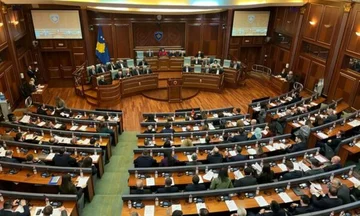
Through a response to the social Facebook network, it becomes known that Commission Ad Hoc has recommended for voting in the Kosovo Assembly names of candidates who, according to them, have either violated the law in the past or known for political proximity to Vetevendosje Movement, reports Periscope.
“Commission Ad Hoc has recommended names for voting at the Kosovo Assembly session, which have testified to court decisions that they violated or violated the Law for Independent Media Commission, or persons who are known as propagandists of the Vetevendosje Movement. Such an approach violates the integrity of the process and the public's credibility in KPM's independence and impartiality, if these persons are potentially appointed to KPM”, it is said, among other things in response.
Full response:
We, underestimated, after monitoring the process of selecting members of the Independent Commission for Media (KPM), appreciate that the process is openly compromised and does not meet the minimum standards to ensure that the new KPM composition will ensure media regulation and pluralism in Kosovo.
The Ad Hoc Commission has recommended names for voting at the Kosovo Assembly session, which were testified to by court rulings that they violated or violated the Law for Independent Media Commission, or persons who are known as propagandists of the Vetevendosje Movement. Such an approach violates the integrity of the process and the public's credibility in KPM's independence and impartiality, if these persons are potentially appointed to the KPM
In this regard, we recommend to the Ad Hoc Commission that this process not be processed away and return to zero for these reasons:<
The legalisation of the KPM institution is guaranteed only through a process of selecting members based on law and integrity. This process has not guaranteed this principle. Failure to comply with this standard violates the credibility of the public and media for KPM decisions to be perceived as right and acceptable.
A total of 30 individuals for six cheap positions have applied in the process. The process of selecting KPM members has been held between April 17th and 20th, which includes a total of two working days, taking into account the weekend. The candidate files and interview methodology have been reviewed on April 17th, while 23 interviews have been held on April 20th. The process was completed about 7:30 p.m. on April 20th. Similarly, the Ad Hoc Commission had failed to gather because of a lack of full quorum on April 10th and 14th.
This controversial process seriously violates KPM institutional independence, given that this institution regulates the media sector in Kosovo, and it is essential that its members are not resolved through political influences or party interests.
Equality and meritocracy: This process has been developed within a short deadline and with controversial methodology. Despite the fact that the chairman of the Ad Hoc Commission, Mr. Alban Bajrami has made efforts to develop this process on the basis of clear and same criteria for all candidates, this in practice has not been implemented correctly, violating the principle of equality and
meritocracy
The lack of implementation of the principle of equality and merityocracy seriously affects the quality of KPM composition and has limited professionalism and honest competition. The process has been characterised by disorderly organisation, influenced by the ruling party's insistence that it be completed within a very short time. All meetings have started late because MPs had other commitments simultaneously within parliament. Likewise, MPs have accepted the files late and, from the moment of their accession to the start of interviews, have had little time to examine about 30 files containing hundreds of pages. Under these circumstances, it is unrealistic to expect a complete and qualitative examination of this documentation within this period of time.
The integrity of the process protects transparency and accountability. Despite the fact that the evaluation procedure has been to some extent open, it has not been documented and reasoned. This restriction has not enabled interested parties and the public to understand how candidates are being launched, since the process has been accompanied by a lack of transparency in the position. The candidate assessment took place only after all 23 interviews were completed, and not after each interview, as the minimum standards predict. MPs have offered no excuse for the given points, hiding behind anonymity. The vote has been made anonymously, allowing no form of monitoring and has subsequently become unclear how much each MP has provided for the candidates. That the aim has been unfair is also seen by the fact that some of the candidates -- from some MPs -- were posted 100 points, while the same candidate was targeted by another deputy with 0 points, which proves that in these cases we had political and not professional assessments.
Also, the inconsistent behavior of most MPs during the development of interviews has been observed, which, in addition to not taking notes, stood on phones even when candidates were giving answers. This behavior increases even more doubts about the quality of candidates' assessment.
This process, unlike the process of selecting RTK board members, has been conducted in the more orderly atmosphere thanks to the commission's chairman, Alban Bajrami.
The Ad Hoc Commission has recommended these candidates for the plenary session: Drita Morina, Besnik Berisha, Majlinda Aliu, Petit Hasanaj, Vjona Sylejmani Shabani, Luljeta Aliu Krasniqi, Vlora Berisha, Hysni Mustafa. For positions from the communities, Fatih Basha, Suada Dzogovic, Serpin Emrusi Halce and Ayten Kodraci have been nominated.
Some of the major violations recorded during the monitoring process, which have made this process compromised, are like the following:
The Lack of Methodology
One of the main concerns about this process is the lack of a clear methodology, which has created space for the process to be compromised overall.
The interview methodology was discussed at the first meeting on April 17th, but at that meeting it was not finalised. Discussions about methodology have continued on the day of interviews, just minutes before candidates arrived. After a brief discussion, MPs have agreed to the same questions, which have been put forward in rotation.
Issues related to the completeness of documentation and the fulfilment of the competition criteria have been raised during the review. The commission had decided that the candidates would be given the opportunity to complete the documentation. The decision to allow the completion of documentation tells of a more flexible approach, but also raises issues of co-ordination and equality in dealing with candidates
In some situations, MPs also discussed how many members should be sent, whether lists have been brought together, and how many of them are from communities, incidents that clearly indicate MPs were unaware and unprepared for the development of this process.
Indiscretions about methodology and haste to complete this process as soon as they have created a situation where some candidates have withdrawn, not coming into the interview at all, while a candidate has been withdrawn after being submitted to parliament due to delays.
Returning Former KPM Members
Among the candidates recommended for the plenary session, two people have problematic stories with the KPM. Besnik Berisha is the former anti-legal leader of the KPM, who was elected on January 17th 2025, just three days before the end of the current chairman's term, Jeton Mehmeti, through illegal change of regulation. According to Kosovo Justice Institute indictments, Court
The Supreme Authority has cancelled the legal change and then Pristina's Constitutional Court has declared the KPM's decision to elect him to the mayor's position.
Likewise, Luljeta Aliu Krasniqi, former member and open supporter of power before and during her term at the KPM, has defended Vetevendosje Movement in public debates for years. It has continued this stance even during key developments in the institution, including public hearings in the Assembly, in which it was wrongly criticised by power politicians from its former KPM, lives Mehmeti.
In turn, we consider that the eventual return of former illegal leader Besnik Berisha and power supporter Luljeta Aliu Krasniqi put the KPM in direct danger of political pressure and set precedent for those who have violated the law to be again politically favoured.
End
We consider that lack of methodology, the haste of MPs and the favour of persons who in the past mandate have violated the law and openly supported power make this process completely compromised and politicise even more KPM.
The aforementioned violations have been easily inevitable and are the result of the Vetevendosje Movement's haste to appoint KPM members, sacrificing meritocracy principles and offering equal opportunities to all candidates.
A month ago, the European Council for Journalists Security platform, following a fact-finding mission, found a decline in media freedom in Kosovo and developments involving the KPM, especially in terms of legislation, were one of the reasons for this negative assessment. The institutional independence of the KPM is key to media pluralism and can only be guaranteed through a commission selected in a regular process and, according to meritocracy. The compromise of this process, along with the selection of RTK members, will contribute to the further deterioration of media freedom in the country. /Periscope