a few seconds ago
Kreshnik Radonic's strange request on the eve of the elections: Not 10, but vote 5 or 3 candidates
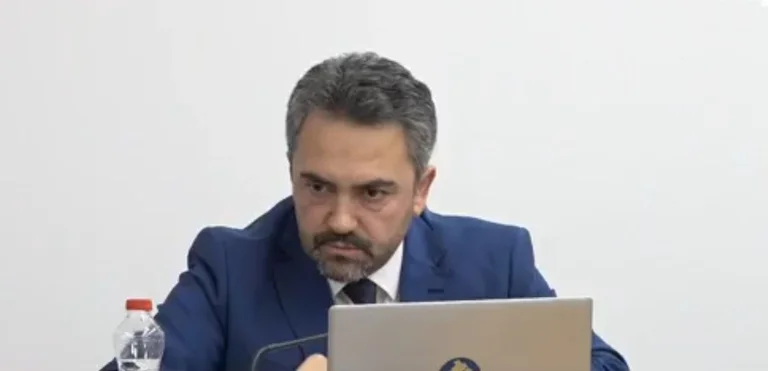
Periskopi(2 months ago)
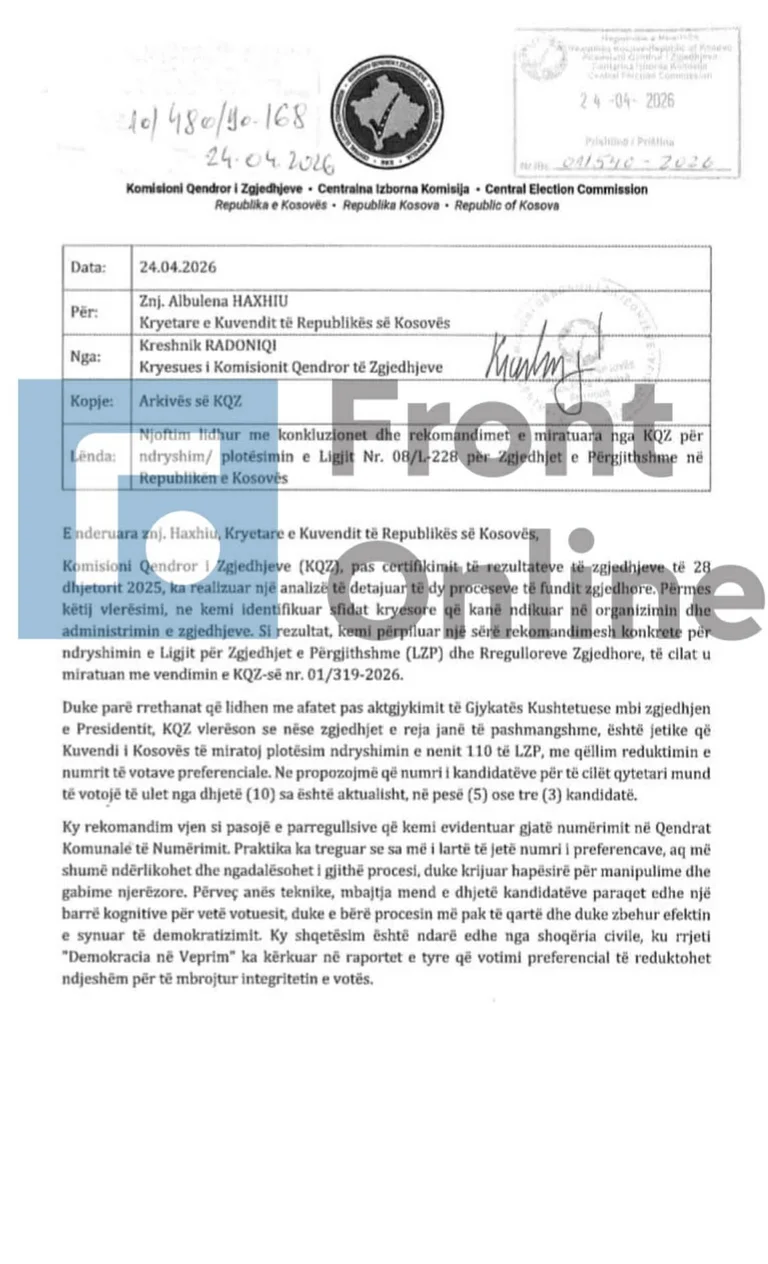
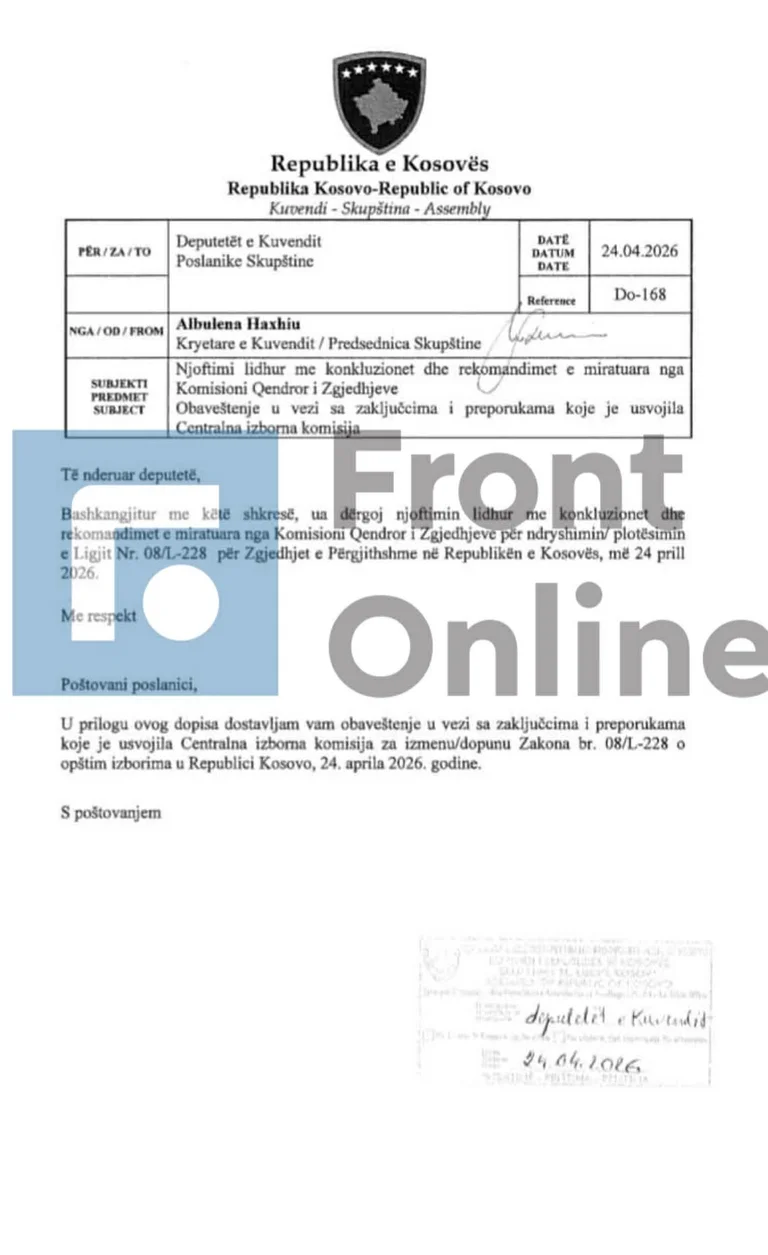
(2 months ago)The Central Election Commission (KQZ) has sent the Kosovo Assembly an official announcement with recommendations for changing and completing the General Election Law. In his letter April 24th 2026, addressed to Parliament Speaker Albulen Haxhiu, CEC leader Kreshnik Radoniqi, points out that after the recent election analysis, challenges have been identified [...]
In the letter of April 24th, 2026, addressed to Parliament Speaker Albulen Haxhiu, CEC leader Kreshnik Radoniqi, stresses that following the analysis of the last elections, challenges have been identified in organising and managing the election process.
One of the main recommendations is to reduce the number of preferential votes for candidates.
Currently, citizens can vote to 10 candidates, while the CEC proposes that this number be reduced to 5 or 3.
According to the CEC, a high number of preferential votes complicates the counting process, slows it down and increases the possibility of errors and manipulation. It also presents difficulties for voters themselves.
The CEC stresses that changes are necessary especially in the event of new early elections, taking into account constitutional deadlines.
The recommendations have been approved by the CEC's decision and have already been forwarded to the country for further review.
Chocolate: Election rules not changed on election eve
The representative of the Kosovo Democratic Institute (KDI), Eugen Cakoli, has reacted to the CEC's recommendation for lowering the number of preferential votes for candidates.
He said reducing the number of candidates for which citizens can vote from 10 to 5, 3 or even 1 ) should be treated as part of a genuine electoral reform, but not on the eve of political developments.
According to Cacol, no substractial change should be proposed just days before an eventual election scenario, much less so that such an initiative comes from the Central Election Commission, which, according to him, has no mandate to deal with constitutional deadlines or political moment.
“It is true that the reduction of voting is directly linked to the problems recorded in counting and management, but there are many other issues that require treatment within electoral reform, he stressed.
Chocolate added that focusing on only one element at this stage diminishes the seriousness of the process, demanding that any reform be made through a literal process, with extensive analysis and consultations.
He also recalled the standards of the Venice Commission, under which the fundamental elements of electoral legislation should not be changed less than a year before elections in order to preserve stability and confidence in the process.
He stressed that the CEC can address only technical and procedural shortcomings, within the current legal framework, concluding that the “election rules cannot and should not be changed when elections are on the threshold of”.
Ilir Gashi against the CEC proposal: It is not within our power to change the number of candidates
Central Election Commission member from the ranks of the Democratic Party of Kosovo, Ilir Gashi, has reacted to the document sent to the Assembly by CEC leader Kressnik Radoniqi.
Gashi has clarified that the document in question stems from the conclusions of a workshop for lessons learned from the election process, while stressing that the CEC's 2026 priority remains the project for scanning and reading biometrics.
He has voiced opposition to the proposal for amending the law in the number of candidates who can be voted into a ballot, stressing he has not supported this idea.
“I consider that it is not in the CEC's competence to determine this legal and political issue. Therefore, I have refused to have him involved as the case issued by the CEC”, Gashi has declared.
According to him, the administration of the election process should not be reduced only to the number of candidates, as the problems are broader and related to the functioning and management of the process.
Gashi has also criticised the internal performance of several CEC linkes, stressing that “disability in management cannot blame the way it is voting, but that its management approach”.