8 minutes ago
Orav discovers how they drew concessions from Kurti, the evolution of QUINT'S and contacts with Belgrade
Periskopi(4 months ago)
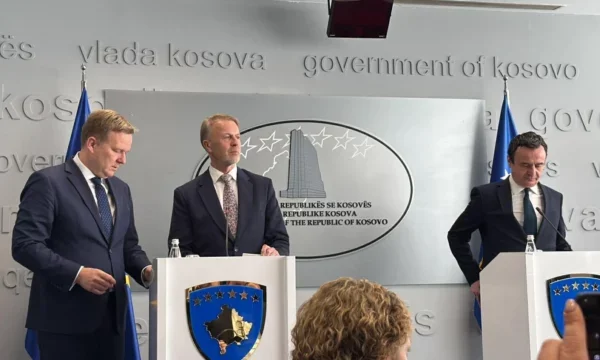
(4 months ago)EU Office chief Aivo Orav has indicated the setbacks in negotiations that were held prior to the announcement of the last agreement they reached with Kosovo Government for implementing the Foreign and Automotive Law. He said experts from the Kosovo government and from [...] embassies were involved in negotiating groups.
He said EU negotiating groups included experts from the Kosovo government and from the embassies of the QUINTï countries, while saying EU Emisar Peter Sorensen has been in touch with Serbia's Government, while he himself has been with the political leaders of Serbs in Kosovo.
The agreements may have different forms. When we say “agreements”, people usually imagine some people sitting on a table with pens in hand and signing documents. However, various agreements and agreements can be reached in various ways. In this case, for example, there was nothing written about it. Prime Minister Kurti has issued a statement on what was agreed earlier, while even Mr. Sorensen has been talking about earlier agreements. My office and the office of Peter Sorensen work together -- not always visiblely, but it's important that we work towards a final score”, reports Express, broadcast Periscope .
After the second postponement of full implementation of the Law for Foreigners on January 15th, Orav said it was not fully formed, but the expert group was often met.
“Aty included experts from the Government of Kosovo and from embassies of the QUINT] countries. The implementation, challenges, and the way processes develop is followed. Also, two meetings have already been held between Prime Minister Kurti and all of the ambassadors accredited in Kosovo, where we have examined this process and seen what needs to be done next”.
“Who in Belgrade has been specifically involved in this agreement?”, was asked by Serbian media journalists in an interview he had with them.
The resolution of this agreement is that the Government of Kosovo is likely to fully implement this law, while we have identified the challenges and issues that require additional steps to regulate the situation. For example, Serbian IDs in the north must be accepted for registering the civil situation, such as marriage and similar. Meanwhile, Peter Sorensen, as the EU special representative for dialogue, has talked with representatives from Belgrade. I personally have been in contact with Serbian political leaders in Kosovo and have informed them of what Government has decided on March 14th”, he said.
Finally, he said that this date would enter Kosovo's history.
“I believe that March 14th will enter Kosovo's history as a major achievement agreement between the Government and the European Union,” he says, adding that this government has achieved something previous ones have not achieved. /Periscope