28 minutes ago
Airport alert: New EU system causes massive delays
Periskopi(2 hours ago)
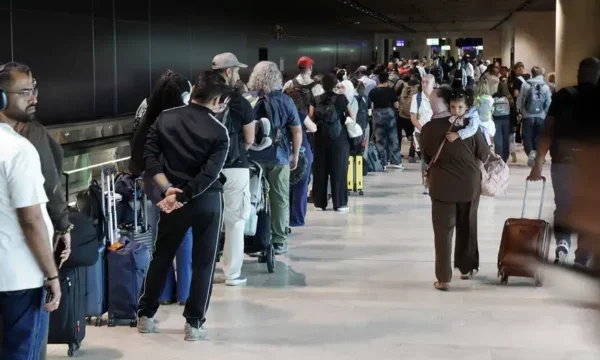
(2 hours ago)The new EU control system brings problems at airports right on vacation season. The consequences are clear: long lines in border controls, delays, and passengers who lose their flights.
The new EU border system, It's a problem at the airports. To strengthen control on external borders, Brussels has introduced a new digital procedure for recording the entry and exits of non-EU citizens. Since full entry into force in April, citizens of countries outside the EU must register biometric data, such as fingerprints and facial scans, whenever they enter or exit the EU. Airports and airlines are now increasing pressure on Brussels, namely, because the new Entry/Exit (EES) system causes serious problems at border points of delays and passengers losing their flights.
The digital procedure aims to replace traditional stamps on passports and boost border security. In practice, however, the system has brought long lines into border controls.
Temporary suspension required during holiday season
Airports and airlines warn that the situation could deteriorate even further during the summer season. According to representatives of the flight industry, expectations can last for hours in peak hours. Air companies like Ryanair criticise the system, arguing it is not yet prepared for the large flow of passengers. They require that EES implementation be temporarily suspended in the event of airport overloads. Meanwhile, the airline's general director, iasyJet, has described the long lines at the border points as “completely unacceptable”.
As the European Commission continues to protect the benefits of the security system and supports its implementation, calls are increasing for the EES to be temporarily suspended over months with the highest number of travelers. Nine European states now require the extension of temporary exemptions, arguing that the European Union is not yet ready for full implementation of new electronic control of entry and exits. In a joint letter, Belgium, France, Germany, Greece, Italy, Malta, the Netherlands, Portugal and Switzerland require emergency regulations to remain in force even after September 6th. While supporting the aim of the new EES system for strengthening border security, the ministers of the respective countries require more flexibility in its implementation. They insist that emergency measures and the possibility of temporary suspension of controls continue beyond the current deadline to avoid chaos at airports and delays for travellers. / DW