6 minutes ago
Identification of mortore waste takes up to one year
Periskopi(4 months ago)
(4 months ago)It is not yet known who belonged to the mortore remains allegedly to the victims of war in Kosovo, and who were found last December at a location in the Persage of the Rahovec municipality, whose samples have been sent to The Hague for four months to conduct DNA analysis. Because in [...]
The reason that such tests are not carried out in Kosovo, the cocket findings of alleged war victims are sent to the International Commission for Missing Persons at The Hague, where they also store reference blood samples of families of missing persons.
Legal anthropologist, Valon Hyseni, has said that the normal period for the return of results is up to three months, while explaining why identifying bone samples can take even more time.
The moment we take the sample into anthropology lab and send it to The Hague for DNA analysis, it would actually take three months, but sometimes this period can be extended because we know it's 26 years from war and bones over time come by losing their anatomical composition, damaged by environmental factors, once again required to send samples and then wait until the result of DNA”, he stressed.
Depending on the complexity of the sample, extracting DNA results can take six months and up to a year.
But the member of the Government Commission for Missing Persons, Counterfeit Gara, has estimated that long expectations for results pose a challenge for local institutions dealing with the process of identifying war victims.
“in terms of respecting family rights is a little more disturbing. But also in the professional work of the Legal Medicine Institute colleagues, but what's important is that all that is in the competence of the local experts in Kosovo is being addressed in an emiate manner”, he has stressed.
The race has also estimated that identifying samples would help orient excavations that could be done in the future for finding other victims of war.
“Mortories that were found last year, despite being sent, are still pending DNA results and would be very important to then determine the course of assessment or digging in which area or space it should be focused on the sense of further excavations”, he said.
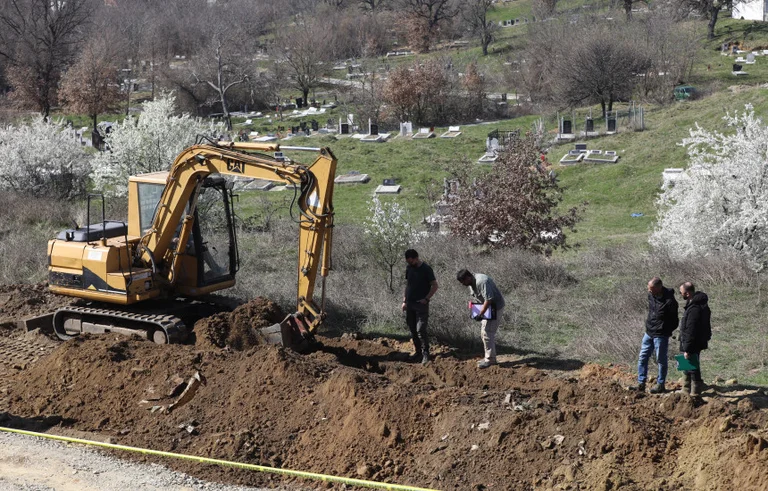
Mortore remains of at least three people have been found in the village of Përzhin of Rahoveci during last December, as well as several days ago. Also found were some bone waste suspected of being victims of war, but it is unknown how many people could belong to them.
Excavations were conducted during 2025 at 33 locations, where mortar remains of 22 persons were found.
Nearly 27 years after the end of the war in Kosovo, an estimated 1,600 people were still forcibly missing.