10 minutes ago
Hormuz Strait, more than oil, vital artery to the food of 100 million people
Periskopi(4 months ago)
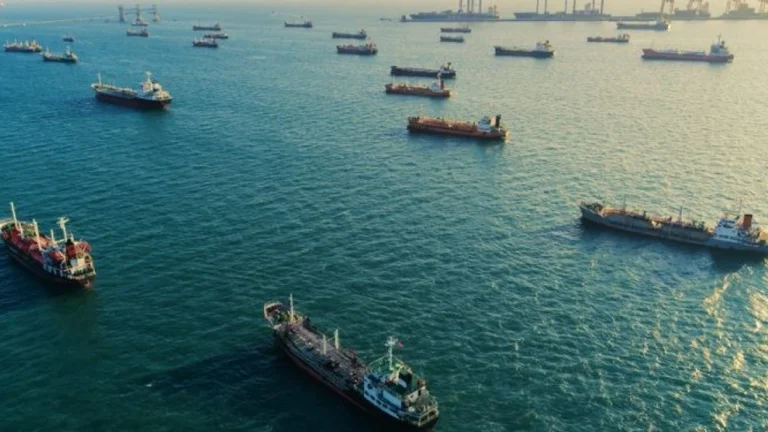
(4 months ago)Hormuz Strait, one of the world's most important sea routes, is becoming a key point not only for energy but also for the food supply of over 100 million people. About 20 percent of the global trade with liquid oil and natural gas passes through it, writes Cann. For the places [...]
About 20 percent of the global trade with liquid oil and natural gas passes through it, writes Cann.
For countries in the Persian Gulf, this strait is a vital <x0-power plant” to import food, due to difficult climate conditions and a lack of arable land.
The situation has been exacerbated by military tensions between the US, Israel and Iran, which have caused attacks on commercial ships and a practical sea passage jam, reports Telegraph, broadcast Periscope.
Region countries depend heavily on food imports: Saudi Arabia imports over 80 percent of its food, the United Arab Emirates, about 90 percent, while Qatar reaches 98 percent.
Iraq, despite the water resources of the Tigris and Euphrates rivers, also relies on the route for a considerable share of food supplies. With the restriction to cross into Hormuz, transportation companies are looking for alternative routes, which are more expensive and difficult to manage.
Experts warn this could lead to increased prices and shortages in local markets.
Recent developments can create a chain effect on the global economy, affecting not only energy but also food security in one of the world's most sensitive regions. /Periscope/