19 minutes ago
From the global pocket crisis of the citizen, OEK and TTHIC propose measures to reduce oil prices
Periskopi(4 months ago)
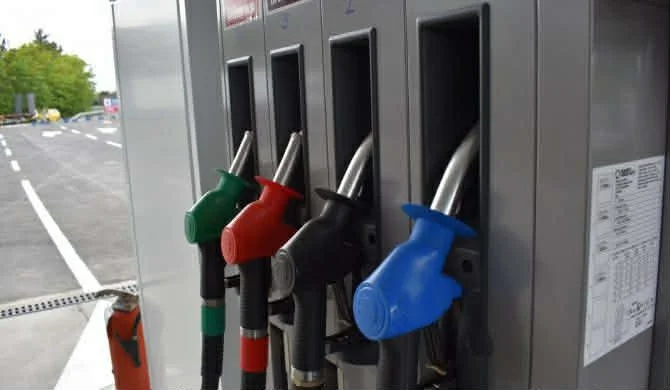
(4 months ago)The steady increase in oil derivative prices has increased pressure on Kosovo's economy. For solving this problem, the Chamber of Commerce and Industry in Kosovo and the Kosovo Oda Economics have called for immediate intervention by the Government of Kosovo through measures aimed at reducing prices of oil derivatives and [...]
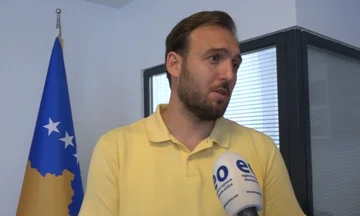
The chairman of the Kosovo Economic Ode, Lulzim Rafuna, told Kosovo that after the analyses were conducted, the institution he represents has proposed two concrete measures that would affect the reduction of prices of oil derivatives.
After considering the trend taking place in the states of the European Union, the price of rising oil derivatives, as well as the circumstances of geopolitical warfare, we have proposed that the Government of the Republic of Kosovo undertake two fiscal measures. The first to lower the excise tax rate for oil derivatives and the second completely remove it for a certain period, temporarily... ...We know that the value added tax is consumer tax, it is not the company tax, so any lowering of value added tax or temporary departure would mean lowering the price of oil derivatives and a greater relief for citizens of the Republic of Kosovo”, Rafuna said.
According to economic Ode analysis, if these measures are fully implemented, the price of oil can be reduced by 30 to 40 percent.
Rafuna warned that in the absence of concrete actions, prices are expected to continue to rise, taking into account geopolitical developments, including tensions in the Middle East and blocking key oil supply routes.
On the other hand, Kosovo Chamber of Commerce and Industry President Skender Krasniqi has also called for quick action, as according to him, it is an emergency need.
The Kosovo government urgently lowers the tax and excise in oil, as many other countries and the last case, and Italy, in order to have a price cut which is highly burdening business and citizenship on purchase and is directly affecting the price of consumption as a result of rising oil and transportation prices. This is an emergency need in at least three months' time, so that we can have a stability because the situations that are happening in Iran and around the world can also influence us to have even greater price increases than we currently have”, Krasniqi said.
Otherwise, Minister of Industry, Trade, Trade and Innovation Mimoza Kusari-Lila two days ago The KP said a stabilisation of prices is expected in the coming months, especially during the summer, clarifying that the price of oil is determined on the basis of the import price of the day earlier.
She pointed out that capital importers can only increase by up to 2 cents per litre, while in retail sales an increase of 12 cents. As an example, she cited that if oil is imported by 1.50 euros per litre, it could be sold in larges of up to 1.52 euros and in retail to 1.64 euros.
As a result of the U.S. and Israel's war with Iran, fuel prices have also been expensive to around 1.50 euros in oil, and 1.30 gasoline.