5 minutes ago
EFJ and other organizations: Dramatic increases in attacks on journalists by VV étie did not vow to condemn them
Periskopi(4 months ago)
(4 months ago)Media freedom in Kosovo has been declining since 2023, following a series of negative developments, demanding immediate political action by the government, praised an international mission for media freedom, attended by the European Federation of Journalists (EFJ) and other organisations. After a two-day visit to Pristina, within the Council's platform [...]
After a two-day visit to Pristina, under the Council of Europe's Parliament for Security of Journalists, the delegation found that the stable level of media freedom in Kosovo has been replaced with a period of deterioration over the past three years.
“Although Kosovo continues to have a pluralistic media landscape, low levels of physical violence against journalists and legislation largely harmonised with European standards, some standards have been undermined by the ruling party, Vetevendosje”, the EFJ communiqué said.
Among the main concerns, according to the assessment are the adoption of a media law (after declared unconstitutional), which would increase political control over the Independent Media Commission insufficient financing and political pressure on RTK, as well as the continued increase in verbal attacks and denigration of journalists by ruling party officials.
“These developments have damaged Kosovo's earlier progress in the area of media freedom and have violated its status as one of the most advanced countries in the region in this direction”.
As for journalists' security, the delegation praised improvements in dealing with cases by prosecution and courts. The new strategy of the Kosovo Judiciary Council for the period 20262028, which prioritizes cases related to journalists' security and SLAPP indictments, has been welcomed and has already yielded concrete results with faster treatment of cases.
However, according to the Kosovo Journalists' Association, the number of cases of denigration, discreditation and online harassment against journalists has increased significantly, peaking in 2025. A major source of these attacks are Vetevendosje politicians.
The delegation expressed particular concern about the use of toxic sodiums by officials of this party, who label critical journalists as “mercenarian Serbs” or Serbian “agents”.
In the case of the media of non-most communities, pressures are added to external threats and lack of access to information in their languages”.
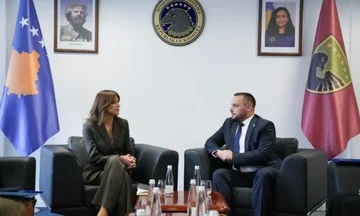
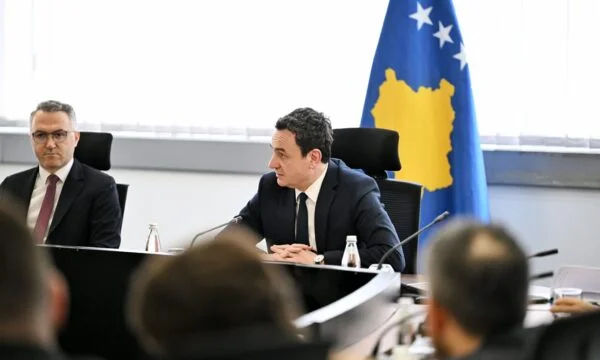
During meeting with Prime Minister Albin Kurti, the delegation called on him and government officials to publicly condemn these attacks and avoid divisive language towards journalists.
“However, Kurti did not pledge such a public sentence”.
Meanwhile, the delegation stressed that, despite problems with the impact of business interests on the media, it does not rule out the government's responsibility for worsening media freedom.
Also urged was strengthening RTK independence and funding, as well as harmonising legislation with the European Act for Media Freedom (EMFA). The delegation raised concerns about difficult economic conditions, lack of investment and reports of political interference in the public broadcaster.
Legally, Kosovo remains largely in line with EU standards and there have been no arrests of journalists in recent years. Prime Minister Kurti gave verbal guarantees that the slander will not be re-concilitated, though there have been such calls by top party officials.
However, the fact that the Constitutional Court overturned a law violating the media regulator's independence is considered an alarm signal for increased pressure on the media system”.
The delegation stressed that media freedom is a key pillar for Kosovo's European integration process and called for concrete steps to restore confidence and progress in this area.
A detailed report with recommendations will be handed over to local and international institutions, including the Council of Europe, the European Union, the UN and the OSCE”, said the communiqué. /Periscope