6 hours ago
Appeal turns the case of Cedomir Aksic, sentenced to 15 years for the Recak massacre, into retrial
Periskopi(5 months ago)
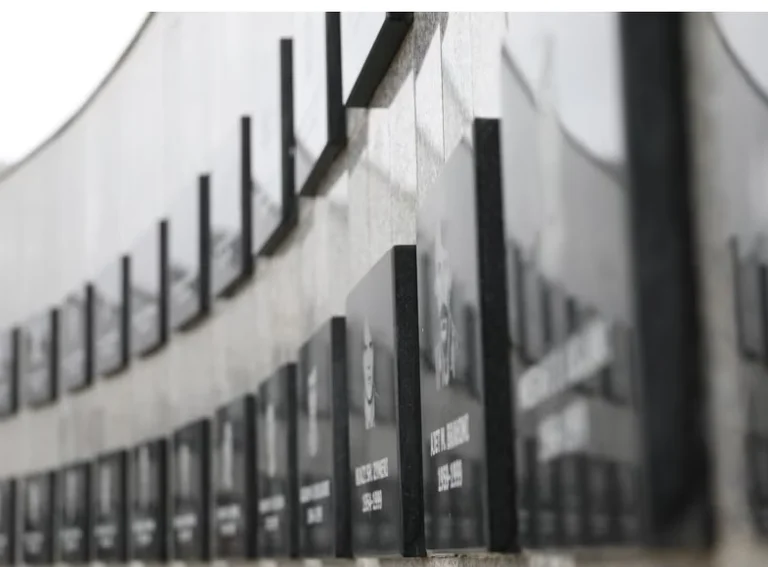
(5 months ago)The Court of Appeals has decided to retrial the case against Cedomir Aksic, who had been sentenced in absentia to 15 years in prison for war crimes committed during January 1999 in the villages of the Black Town. According to the report, the Special Appeals Department has approved the defense complaint, abolishing the act of the instance [...]
According to the report, the Special Appeals Department has approved the defence complaint, abolishing the act of first degree issued by the Constitutional Court in Pristina and returning the course for new review and decision making.
In his reasoning, Appeals has estimated that substantial violations of the criminal procedure were recorded during the procedure. According to this findings, the process was conducted without sufficient effort to alert the accused of judicial examination and ensure his presence at the hearing.
Kosovo Appeals Court “Special Department, acting on official duty in the sense of Article 394 paragraph 1 of the KPP, has cancelled the high court act, turning the case into retrial. The college of this court has found that the first-instance court's bias is involved in substantial violations of criminal procedure provisions from Article 384 paragraph 1 subparagraph 1.3 of the KPP, since the trial has been held in the absence of the accused without the legal conditions specified in Article 303 paragraphs 7 and 8 of the KPP being met, because, according to the college assessment, the judgment in lack of judicial review has been carried out without fulfilling the legal conditions, respectively, without taking reasonable effort to inform the court's alleged review and the assurance of his presence<1x>.
“Colegy has found that the first degree court has not applied to Article 303 paragraph 8 of the KPP, when it has kept trial in the absence of the accused by stating that the conditions for his development have been met, since from the paper on the subject, in addition to the lack of evidence to testify to the publication of the invitation for the session and indictment, it turns out that the first degree court had completely overlooked one of the legal clauses specified by this provision, respectively, the development of a full intelligence campaign, which represents the preconditions necessary to meet the legal standard for keeping the trial at the time of the constitutional trial of the <16).