14 minutes ago
Warning from bad scenario: Of the 21% annual electricity price increase, there is real risk of social destabilisation
Periskopi(6 months ago)
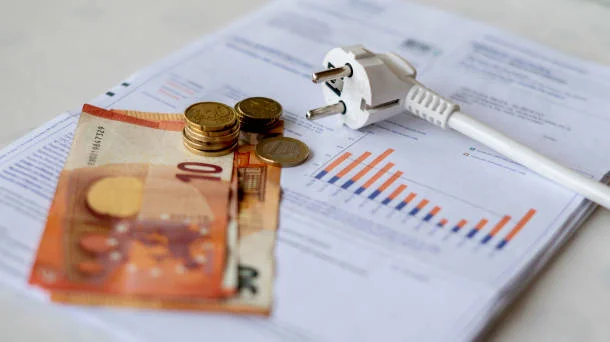
(6 months ago)K E SCO has demanded from the Electric Energy Regulatory Office (ZRRE) that maximum revenues be approved for 2026, worth about 530m euros, a requirement designed to lead to expensive electricity tariffs of about 21% from April 1st. According to KESCO, only for electricity import is expected [...]
According to KESCO, only for electricity imports are expected to be spent around 230m euros, as import will account for about 9% of the total need for next year. In addition, energy companies have calculated maintenance spending, transport costs and other corrections, including around 50m euros, bringing the final requirement for allowed revenues to 528.78m euros.
Z proposal The RRE for growth of around 21% of the electricity price comes only a year after an expensive 16.1%, causing deep concerns about its effect on family budgets, business functioning and local economy competitiveness. 3
Experts warn that this increase could be reflected in higher prices of products and services, jeopardising the citizens' purchasing power and economic stability of the country.
According to the head of the Kosovar Alliance of Business (AKB), Agim Sahini, an eventual increase in the electricity price, according to the ZERE demand, would be extremely harmful to Kosovo.
He for FrontOnline said the country risks losing foreign investors' investments and interest, as it would turn into one of the most expensive countries in Europe in terms of the cost of infrastructure and energy.
Evental turnover of electricity under the request that ZRE is bad for Kosovo. Kosovo will lose everything in terms of foreign investments and investors, because Kosovo will become more expensive in Europe in terms of physical infrastructure, the first of the GDP said.
According to Sahin, production businesses would be forced to shift their capital to other Western Balkan countries, while citizens would face even greater poverty.
With this we owe manufacturing businesses their capital in the Western Balkans, and citizens will become very poor, Sahin said.
Sahin estimates that this situation would jeopardise economic stability, weaken local competitiveness and discourage foreign investment. Under these circumstances, Kosovo risks becoming the regional leader of the most expensive energy, despite having large coal reserves.
Former Industry and Trade Minister Ismet Mulaj tells FrontOnline that the rise in the electricity price will immediately increase business spending, especially those producers directly dependent on electricity.
The 21 percent increase in electricity prices quickly, especially for production businesses directly dependent on energy. The services are also affected, but slightly softer, Mulay has declared.
According to former Minister Mulay, low profit margins do not have the financial capacity to handle this additional burden without transferring it to the consumer.
Mulaj warns that this increase could also affect increasing inflation and weakening citizens' purchasing power, calling the situation a risk to economic stability.
It's real danger. Higher prices imply lower purchasing power and weaker consumption. The rise in the price of electricity has become trended, and this negatively affects economic stability and citizens' standard of living” has concluded Mulay for FrontOnline.
Economics professor and expert Shkumbin Misini tells FrontOnline that rising electricity prices make businesses less competitive, forcing them to increase their product prices.
The growth rate of electricity prices increases the operational cost of businesses and makes them less competitive in the face of other businesses, as it is forced to increase prices of products due to increased costs”, Misini has declared.
According to Misin, production businesses are mostly damaged, but the consequences lie in other sectors of the economy as well.
“is mostly damaged by production businesses, but other businesses will also be affected by this” increase, Misini claims.
Missin adds that the additional cost is ultimately carried to the consumer, favouring imported products at the expense of local ones.
“Businesses eventually faten this bill to consumers, but when the price of local products increases, the consumer does not push to consume them, but navigates towards imported products, because they are cheaper”, Professor Misini said.
Speaking of medium- and long-term impact, Missini says this potential growth erodes purchasing power and moves businesses to other markets in the Balkans
“In the medium and long term, this energy price increase erodes purchasing power, lowers citizens' standard of living, and moves businesses away from Kosovo's market to move to other Balkan markets”, Misini concluded.
Economic recognition, Arton Muhajeri, in a proposal for FrontOnline estimated that an eventual 21% electricity price increase would be a direct blow to the economy. According to him, this increase rapidly increases production costs, tightens business liquidity, and especially affects low margins, driving them towards expensive products or reducing activity.
The evental growth of 21% of the electricity price is a direct economic shock: it immediately increases production costs, tightens liquidity, and especially hits low-market businesses. For many of them, it is not a matter of profit, but of survival, pushing them towards inevitable expensiveness or reduction of activity, Muhaxier said.
According to Muhhajer, the additional cost is not absorbed by businesses but transferred to the final consumer, reducing purchasing power and slowing the pace of economic development. In the medium and long term, this situation risks social destabilisation and the loss of local economy competitiveness.
This cost is not absorbed, but it is transferred to the final consumer. In the medium and long term, the effect is the decline of purchasing power, rising prices and economic slowdown, with real risk of social destabilisation and loss of local economy competitiveness, Muharzier said.