3 days ago
What Your Favorite Wine Shows About Your Personality
Periskopi(5 months ago)
(5 months ago)Your choice for a cheap Zinfandel Rosé instead of an expensive Malbec Argentinian can tell more about your personality than your taste, according to a new study. Scientists have found that features such as extraction, opening to new experiences, and neuroticism can show what kind of wine you prefer. [...]
Scientists have found that features such as extraction, opening to new experiences, and neuroticism can show what kind of wine you prefer.
The team from Beijing Normal Hong Kong Baptist University analyzed approximately 10,000 wine recessions from a major online salesman. They used the One to identify personality traits from reactions and compared them with the power of wine alcohol that people purchased.
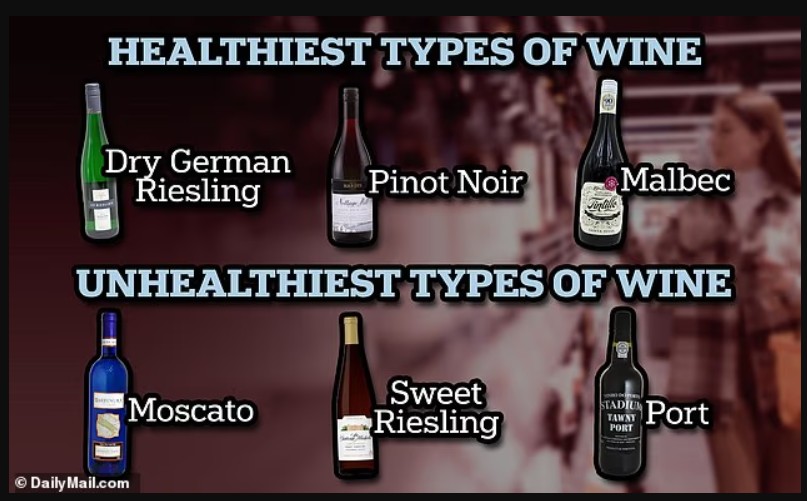
The result showed that people who have high openness and compatibility tend to choose wine with higher alcohol content, such as Cabernet Sauvignon, Malbec, Port, or Sherry, which are perceived as better quality and more tasty.
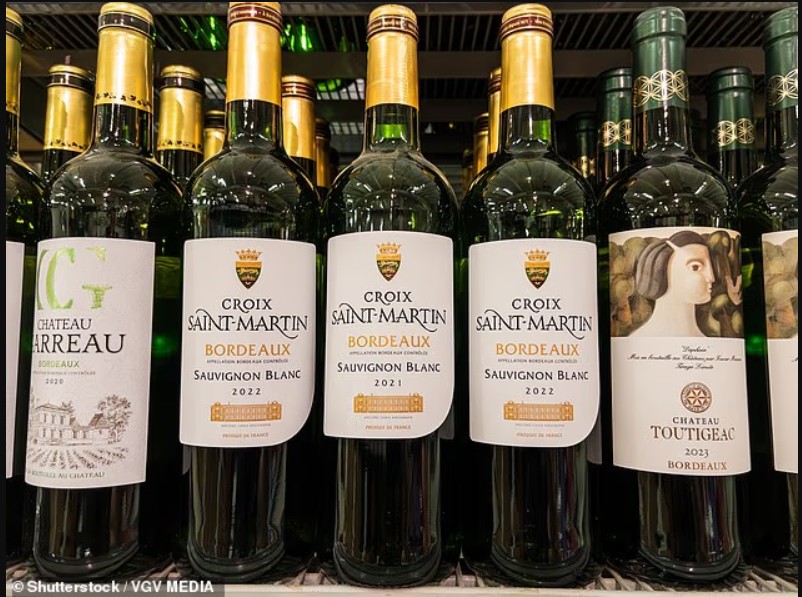
On the other hand, those who scored most in exhumation and neuroticism usually choose wine with lower alcohol, such as Sauvignon Blanc, Pinot Noir, or Prosecco.
“Finds show that personality traits significantly form consumer perception of summer,” write researchers in the Journal of Personality.
They explain that people with high openings prefer wine with stronger alcohol because of the richer taste and the more multiple taste experience that enables them to experiment with new feelings. While those with high compliance, polite and cooperative, can choose stronger wine because it is often considered of high quality and gives more social approval.
However, for the explosion, the results were unexpected. While it could be marred for social people to prefer stronger wine, data showed a tendency for lower alcohol options, perhaps to get drunk quickly and continue social interactions.
For neuroticism, associated with stress sensitivity, a link was also discovered to easier wine, perhaps to avoid the physical dangers of drunkenness.
The study did not find significant links between awareness and preference for alcohol, as various motivations may be cancelled: awareness may push people to summer with little alcohol for health, but orientation to the goal may push them toward wine with higher alcohol.
Study, titled “From Customity to Pour”, concludes:
“Opening and compatibility are positively linked to the preference for wine with higher alcohol rates, while extenuation and neuroticism show negative links. ”
These findings can be used for personal wine recommendations based on consumer personality, helping vendors online and digital platforms improve suggestion algorithms and reduce decision-making fatigue.
Enjoying the Wine as a Professional
Australian expert Catlyn Rees shows steps to taste wine as a client:
Step 1: Look.
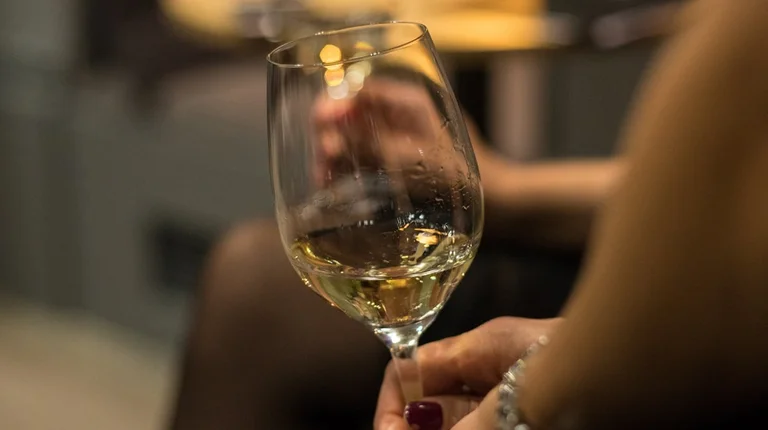
Before drinking, look at the wine in the glass - cleanliness, intensity, and color. A hazy wine may be inappropriate or simply unfiltered.
Step 2: Rotate
Summer rotation releases aromas and intensity, making the following steps more effective.
Step 3: Nuh
The smell helps you recognize aromas and tastes, and it shows if there is a problem with wine.
Step 4: Drink and Enjoy
Drink slowly, allowing the flavor to penetrate the whole tongue and reach the intensity of the aromas.
Step 5: Cough or spray
If summer isn't bad, the final step is to swallow. You should not just be caught quickly but let it flow in order to taste fully.