3 hours ago
Albania concerned with judgment at The Hague: The court does not allow the prosecution's approach to affect the liberation war.
Periskopi(6 months ago)
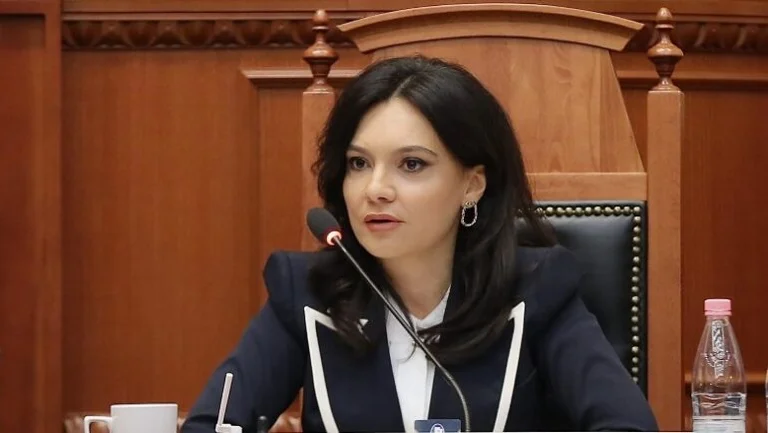
(6 months ago)Albanian top diplomat Elisa Spiropali said the court process at the Special Court has disturbed the Albanian state. It through a Facebook response said that Special Court “today has a special responsibility to ensure that the process does not allow the language and approach of the Prosecutor to unfairly affect the liberation war, the history of independence and [...]
It through a Facebook response said that Special Court “today has a special responsibility to ensure that the process does not allow the language and approach of the Prosecutor to unfairly affect the liberation war, the history of independence and the dignity of those who fought for freedom”.
“Only a fair decision, based on evidence and the highest standards of justice, can remove the heavy shadow that these positions have cast on the historical memory of a fair fight”, Spiropali wrote, as the Specialised Prosecutor sought 180 years in prison against the four former KLA leaders.
Elisa Spiropal's full response:
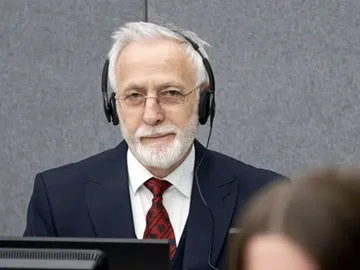
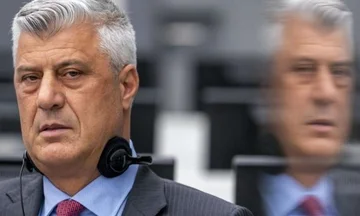
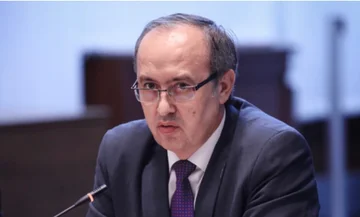
We are following with deep concern today's developments in the Specialised Chambers in The Hague, where the prosecution presented the sentencing proposal to former Kosovo Liberation Army leaders Hashim Thaci, Kadri Veselini, Rexhep Selimi and Jakup Krasniqi.
The detention time, which has already passed five years without a final decision, and the nature of the charges raised raise serious questions about proportion, standards of regular legal process and respect of basic human rights. This situation increasingly fosters the perception of a unilateral severity in dealing with this issue, especially when compared with how the responsibilities of the Serb regime's oppressive device have been dealt with.
Even today, many of the crimes committed by Serbian forces against Kosovo's civilian population remain untreated and without full criminal responsibility. This inequality in pursuing justice risks creating a sense of double standards and violating public confidence in international justice.
We believe that international justice must be impartial, balanced and based on incontinuous evidence, without creating the perception of selective treatments against parties involved in the conflict. Justice perceived as biased risks damaging public trust and leaving new wounds in a region that needs lasting reconciliation.
The Kosovo Liberation Army was a liberation movement that enjoyed the international community's broad support in facing a regime that exercised systematic violence, ethnic cleansing and widely documented crimes against the civilian population. Any judicial process that deals with individuals of that war must carefully preserve the fundamental gap between individual criminal responsibility and the historical character of the struggle for freedom.
The court today has a special responsibility to ensure that the process does not allow the prosecutor's language and approach to unjustly affect the liberation war, the history of independence, and the dignity of those who fought for freedom. Only a just decision, based on evidence and the highest standards of justice, can remove the serious shadow that these attitudes have cast on the historical memory of a righteous war.
Albania reaffirms that justice should serve for truth and reconciliation, not to create Narratives that rewrite history or relativise internationally recognised responsibilities for crimes committed during the war in Kosovo.
We stress the importance of the procedures being completed within a reasonable and with full respect for fair international standards of judgment. Kosovo's future and the stability of the region are built on reliable justice, which strengthens peace and not perceptions of injustice.
The Republic of Albania will continue to follow this process closely and remains committed to the values of the rule of law, international justice and the dignity of the Kosovo people's liberation war./Periscopi/