5 hours ago
All you need to know about vitamin K.
Periskopi(6 months ago)
(6 months ago)Vitamin K is the digestive vitamin in fat that plays a role in coagulating blood in the body. It comes in two forms: vitamin K1 (philocinon) and vitamin K2 (menakinone). Vitamin K1 is naturally found in certain foods, such as green vegetables such as vegetables, spinach, and brocol. Vitamina K2, one of the main forms of vitamin K, [...]
- Vitamin K1 It is naturally found in certain foods, such as green vegetables, such as vegetables, spinach, and brocol.
- Vitamina K2, one of the main forms of vitamin K, is synthetized by bacteria found in the intestines.
Vitamina K is also available as an additional diet. Most people, however, receive the amount of vitamin K that they need only by diet. However, it is injected as supplements to newborns, since they do not produce vitamin K right away, nor do they receive enough from breast milk.
Using vitamin K
There is little research that suggests that vitamin K can play a role in preventing disease. The primary use of vitamin K is to treat a lack of vitamin K, which is rare in the United States.
Vitamin K is given routinely as an intramuscular injection (IM) on newborns to prevent absence.2 The American Academy of Pediatrics recommends that vitamin K is given within the first six hours of life for all newborns.
No supplement is intended for treatment, healing, or preventing disease. However, vitamin K has also been researched for its role in:
- Bleeding Blood
- Bone health
- Prevention of Heart Disease
- Bleeding Blood
Vitamin K helps produce body proteins that are essential to coagulating blood. vitamin therapy K has been used to reverse the effects of anticoagulants (blood dealers).
An example of this may be someone who has described anticoaglans who suddenly seek urgent surgery. In this case, 2.5 to 5 milligrams (mg) vitamin K can be administered to reverse anticoagulous effects and prevent excessive bloodshed.
Bone health
Vitamin K is thought to contribute to bone health because of its role in producing proteins responsible for bone formation. However, there is not enough research on vitamin K to show whether the fulfillment of vitamin K plays a direct role in improving bone health or preventing osteoporosis.
The results of the research on vitamin K for preventing osteoporosis are mixed and include:
- Research suggests that vitamin K and combined calcium can improve bone mineral density.
- A 2017 study showed that the highest levels of vitamin K can be accompanied by modest reductions in bone fractures (rejections).
- Other studies have found no evidence that vitamin K improves bone mineral density or reduces vertebrale fractures. An additional study found that vitamin K had no effect on bone mineral density, and the authors concluded that the results do not support a role of vitamin K in preventing osteoporosis.
Prevention of Heart Disease
Research into the fulfillment of vitamin K for the prevention of heart disease has not been final.
Vitamina K has a role in forming a protein called Gla-protein matrix (MGP). MGP blocks vascular calcification (orcens in the walls of arteries and veins), but this depends on vitamin K for activism. vascular calcium is accompanied by an increased risk of heart disease.
However, it is still unclear whether the fulfillment of vitamin K can slow vascular calcium.
Moreover, a review of Cochrane database concluded that there is not enough evidence to support the use of vitamin K in primary heart disease prevention.
Lack of vitamin K
The lack of vitamin K is rare in adults, but it often happens in babies.
Newborns are given a routine injection of vitamin K immediately after birth to prevent absence. That's because:
- Newborns do not produce vitamin K immediately.
- Vitamin K from the mother does not move well to the child.
- breast milk has a low content of vitamin K.
In adults, vitamin K is more often linked to absorption disorders. People with absorption disorders such as cyst fibroza (CF), celliac disease, Crohn disease, and short intestine syndrome may need additional vitamin K.
What causes vitamin K to miss?
The lack of vitamin K can occur from insufficient access or poor absorption to the gastroinstinal lesions (GI).
Most people get enough vitamin K on their diet. Bacteria on our GI leaf also synthesize (combined with) vitamin K.
The weak breath of vitamin K occurs as a result of a GI condition or absorption (a difficulty in absorbing or digesting nutrients). Poor abortion can also be a side effect of some drugs. 1
Groups at risk of lack of vitamin K
Those in greater danger of vitamin K shortages include:
- Newborns if they do not receive a standard dose of vitamin K after birth and breastfeed exclusively
- People with gastroinstintic diseases resulting in reduced absorption or misabsorption of fat (e.g., cellic disease, Crohn's disease, intestine reseminations)
- Pancreatic insulin (when the pancreas does not produce enough enzymes to absorb nutrients), such as those with CF15
- People with alcohol disorders or severe malnutrition
- People with disabilities as a result of misabsorption of fat must receive an oral supplement of vitamin K in a digestive form in water.
Though rare, there are some reports of a lack of vitamin K and human complications and their babies after experiencing hyperemesis (mixed and serious vomit) during pregnancy.
How do I know if I'm missing vitamin K?
The status of vitamin K can be appreciated by assessing the seizure and dietary absorption.
If you have a GI condition or an absorption of fat, you are at greater risk of lack of vitamin K. Absorption symptoms include frequent diarrhea, open - color waste, and weight loss.
Blood levels of vitamin K are not valued routinely in most people, nor are they a good way to measure vitamin K.
Protromine time is an indication of vitamin status C. Protromine time is a measure of time that blood needs to clot. In those anticoaglants described, the protromine time is rated routineally to monitor the effectiveness of the dose of anticoagulants.
Someone lacking vitamin K will also bruise or bleed more easily.
What are the side effects of vitamin K?
Tuplements of vitamin K are not recommended unless your health care provider indicates that you need vitamin K extra. The side effects of supplementing vitamin K are rare when prescribed.
There may be side effects on taking vitamin K and drugs such as blood thinrs, aspirin, antibiotics, and more. Taking vitamin C with blood thinr can make the drug less effective. Using antibiotics can block action and reduce the status of vitamin K in the body.
Precautions
Since vitamin K works to coagulate blood, those who have been described as taking vitamin K.
Add more vitamin K to your usual taking will make drugs less effective. It's important to keep consistent taking vitamin K.
Doze: How many vitamin K do I have to take?
You always talk to a health care provider before you get a supplement to make sure supplements and doses are appropriate for your needs.
Most people can satisfy their need for vitamin K only through diet. For completion, the dosage may vary depending on the cause of lack.
To the east, newborns take routine an intramuscular injection of vitamin K 0.5 to 1 mg to prevent a lack.
| Addictation of vitamin K | |
|---|---|
| Age and Sex | A daily (in microgram) |
| 0H6 months | 2 |
| 7H12 months | 2.5 |
| 1,3 years | 30 |
| 48 years | 55 |
| 9H13 years | 60 |
| 1418 years | 75 |
| 19 years old and older | 90 |
| Pregnant Females/inletives younger than 19 | 75 |
| Pregnant Females/in breast - aged 19 | 90 |
| Men 19 Years Old and Up | 120 |
Source of vitamin K and what to consume
Vitamin K is taken mainly by diet.
It is also available as a single supply of nutrients and multivitamin products. The amount of vitamin K in multivitamine products is usually less than 75% of the daily value.
Vitamin K can be found in fat - digested vitamin products, which can also contain vitamins A, D, E, and K.
vitamin K Food Resources
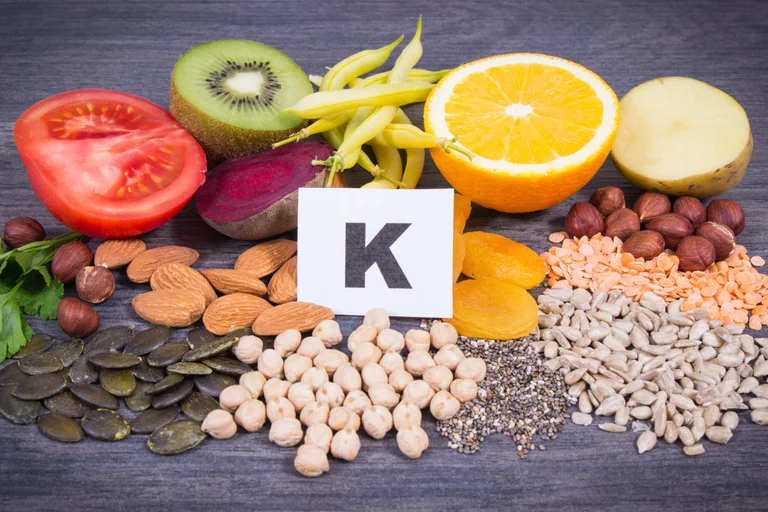
Foods with the largest amount of vitamin K are usually green leafed vegetables. Spinach and vegetables are excellent sources of vitamin K.
Other foods that are a source of vitamin K include:
- Asparagus
- Broccoli
- Soy
- Canolian oil
- Eggs
Summary
Vitamin K is a digestive vitamin in fat that does not require supplements very often. It's easy to get enough vitamin K through diet, and a shortage is rare. Some malpractice disorders may put you at higher risk of lack.
Vitamin K helps coagulate blood. Hence, unexpected changes in the amount of consumed vitamin K can make anticoagulant medicines (e.g.warfarin) less effective.
If you suspect that you need to fill in vitamin K, you should first discuss your healthcare provider. /Periscopi/