5 hours ago
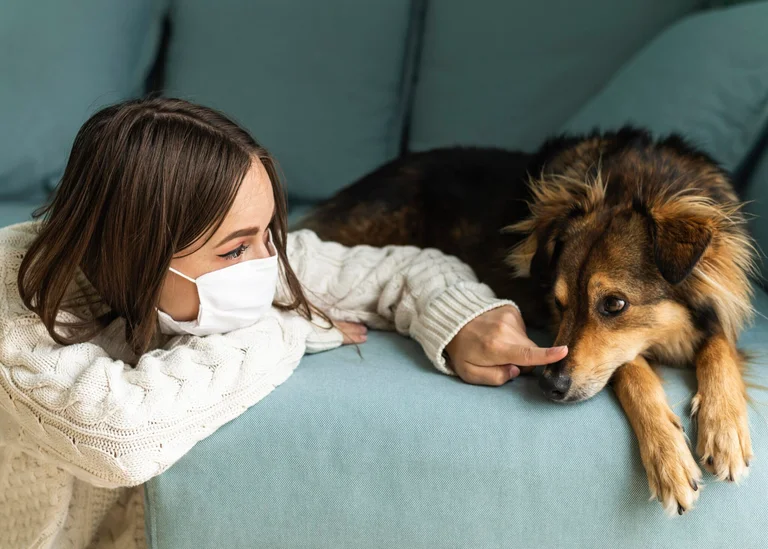
Can I get sick of my pet?
Periskopi(6 months ago)
(6 months ago)If your animal becomes sick, you may be concerned that you or your child can get the same disease. You may also be concerned if your pet has a disease. This depends on what causes the disease in each case, and the general health of someone, but most common diseases that [...]
If your animal becomes sick, you may be concerned that you or your child can get the same disease. You may also be concerned if your pet has a disease. This depends on what causes the disease in each case, and on one's general health, but most common diseases that affect people do not affect pets in the same way and vice versa.
You can't attach it to your pet:
- Respiratory infections ( colds, flu)
- Column of lucuin (unless rare)
- Dog Parvovirus
- Heartworms
You can attach it to your pet:
- Infections Made by Shacks
- Zgebe
- Toxoplasmosis
- Salmonella
- Anger
- Ringworm
- cat scratching disease
- Multicoda password
- Staphilloccus aureus
- Streptococcus pyogens
What you can't get from your pet
Viruses that give animals such things as coughs, colds, and flu are different from those that cause these diseases in humans and do not spread back and forth between humans and animals.
Some diseases that afflict uninflicted pets include the following.
Common colds and upper respiratory diseases
There are certain viruses that can cause upper respiratory diseases in cats and dogs. None of these are transmitted to humans, but it can be very contagious to dogs or other cats.
Of course, there are hundreds of viruses that cause human cooling, but you cannot usually spread them even to your pets. Dogs in general will not catch human cooling viruses, but some experts think cats rarely catch certain types of human cooling.
Dog Parvovirus
This virus causes vomiting and diarrhea, among other symptoms, to dogs, and can be very serious or even fatal.
There is a disease known as Prvovius B19, or fifth disease, that people can (usually children), but it's a completely different virus. Symptoms of the fifth disease include a rash of skin, low fever, and sometimes coldlike symptoms.
Dog Bordatelosis
This chronic, often heavy cough can cause serious breathing complications for your dog and is very contagious among dogs. Generally, it does not affect people, but those with respiratory diseases or immune compromises may become infected.
It is caused by a variety of bacteria and viruses that operate in sequences or together.
Heartworms
These are parasite worms spread by mosquito bites, which are hospitable to a worm's development phase. If not treated, heart worms will be fatal to your dog or cat, but they are not transmitted to humans by domestic animals.
What can you get from your pet
There are some serious diseases you can catch from your pet. Some of these diseases will make your animal sick too, but some will not. These are known as zoonotic diseases.
Infections Made by Shacks
Animals get Lyme disease from their animals, just like humans. It is caused by the bacterium Borrelia prisondorfer, which is transmitted by tick bites.
You won't take Lyme disease just because your animal has it, but the same beast that infected your animal can infect you.6.
Dog ticks can also carry rock - mountain fever, which is a very serious human disease and is caused by the Rickettsil bacteria.
If you have domestic animals, you should check them every day for the ticks and also check yourself and your children if you have been out, especially in or near a forested area.
Turkey
These conditions are caused by spiders. Well - fed and kept cats rarely get dredges or crows, but it's much more common in dogs.
“Symptoms include severe scratching, skin irritation, and hair loss in dogs as well as humans. It should be treated as soon as possible to prevent secondary infections.
Toxoplasmosis
Toxoplasmosis is caused by a parasite and has been found in almost all warm - blooded animals. Cats are the perfect host for the parasite that causes the most severe infections.
This is really just a threat to pregnant women (because it can cause serious damage to the fetus) and people with compromised immune systems. About a third of adults are infected with this disease and immune to it. It causes no serious threat to healthy people, not pregnant.
Those in danger of complications because of toxoplasmosis should not change cat remains, avoid eating any immature or immature meat, and wash their hands and dishes completely after the use of raw meat.
Salmonella
Salmonella is a bacterium that usually does not treat animals but can be found in the trunk of certain pets, especially those with diarrhea. It is also usually found in reptiles considered domestic animals.
Procrastinants, even turtles, may not fit well in children's families under five years of age, people over 65, or people with compromised immunity. Children under five are more sensitive to complications from salmonella infection and are more likely to put things in their mouth.
Pasterella multocida
Katheurella multocida is a bacterial infection that can be caused by the bites or scratches of the dog and cat (most often cats). It is rare, but when it happens, it usually causes cellulite in the place of injury.
Anger
Caused by a virus, rage is the most severe and serious infection that animals can transmit to humans. This incurable and fatal viral disease has been found worldwide. However, rage is extremely rare in the United States, with only 47 cases between the 1990s and 2005. Between 2008 and 2019, there have been only nine cases, all related to exposure during international trips.
It is extremely important that domestic animals be vaccinated against rage. If you or your animal are bitten by another animal, seek medical attention immediately. You also have to try to detect the status of immunizing another animal, whether it's a pet of another, or if it's wild, (and you can do it without being bitten again) so it can be tested.
Ringworm
This is a mycotic skin infection caused by the Microsporum species. Ringworms can spread from domestic animals to humans and humans to pets with contact.
Staphyloccus aureus resistant to metricians (MRSA)
This antibiotic - resistant bacteria can be sheltered by cats and dogs and spread to people and vice versa. As with humans, a pet can be colonized by bacteria and have no symptoms or problems in sheltering it, or it can cause an infection.
cat scratching disease
This infection is caused by Bartonella hesenlae bacteria and is spread by cat scratches. In humans, cat scratching disease is usually a slight infection that produces an elevated hump or an swollen lymph node, but it can affect the eyes and be heavier.
Cat scratches can also transmit a fungal infection called sporotricosis. This is seen more in people who treat many cats, such as veterinarians and stewards.
BU RICE: HEALTH-AZ. COM /Periscopi/