7 hours ago
potassium - enriched salt reduces blood pressure, prevents heart attack and stroke
Periskopi(7 months ago)
(7 months ago)The potassium-enriched salt is recommended for blood pressure control, reported National Hypertension Taskforce Australia, the Australian body for managing potassium-enriched hypertension Kripa is the most efficient way to reduce blood pressure and prevent heart attack and stroke. This is a strongly-based recommendation [...]
Kalium-rich salt is the most effective way to reduce blood pressure and prevent heart attack and stroke.
This is a powerful test-based recommendation that represents Australia with the latest international guidelines. The transition to the use of potassium-enriched salt is one of the most applicable and efficient ways of reducing blood pressure and preventing heart attacks and strokes”, notes Professor Bruce Neal of George Institute for Global Health.
The recommendations are published in the magazine Journal of Hypertension.
George Institute for Global Health welcomes the appeal for potassium-rich salt to be included in national hypertension control guidelines, describing this step as important and practical for improving blood pressure control and reducing deaths from cardiovascular diseases.
The National Labor Group for Hypertension, created in 2022 in response to the low degree and the stagnation of high blood pressure control in Australia, has an ambitious objective: doubling control rates from 32% to 70% by 2030. Hypertension currently affects one out of three Australian adults and is the main cause of the deaths and inadequacy that can be prevented in the country, the Telegraph broadcasts.
What does potassium - rich salt serve?
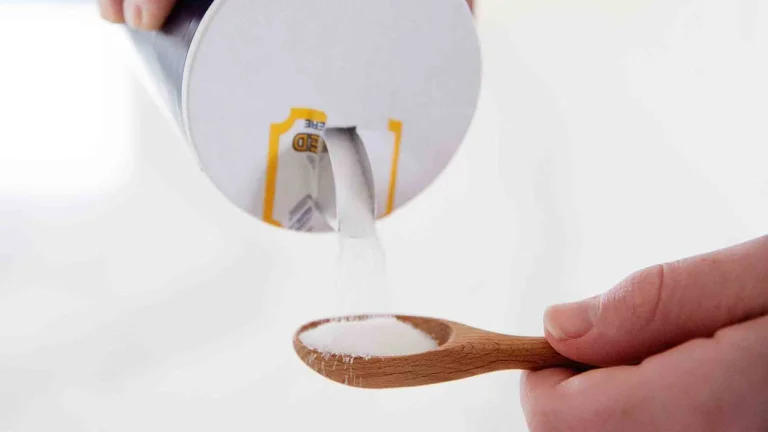
The potassium-rich salt (usually mixed sodium and potassium-coloride) is used as a healthier alternative to common kitchen salt, especially for people who should reduce sodium intake. It brings the following benefits:
What does potassium - rich salt serve?
The potassium-rich salt (usually mixed sodium and potassium-coloride) is used as a healthier alternative to common kitchen salt, especially for people who should reduce sodium intake. It brings the following benefits:
- Kalium is important for muscle function, nervous system and heart.
3. It can reduce the risk of stroke and cardiovascular disease
-
- Cause: less sodium and more potassium.
High sodium and low potassium levels are linked to high pressure
Too much sodium and potassium shortages are related to hypertension. Only high sodium consumption is estimated to be responsible for 1.9 million deaths a year worldwide. Despite numerous public health campaigns, however, salt intake remains almost twice as high as recommended levels as potassium is continued to decline.
In potassium-rich salt, part of the natural salt sodium is replaced by potassium-klorid, usually in the report 75:25. Large clinical trials indicate that this replacement can reduce blood pressure, reduce the risk of large cardiovascular events, and reduce mortality from cardiovascular diseases.
A recent review of 32 hypertension guidelines worldwide showed that all recommend reducing sodium as a strategy for hypertension control. Many recommended increasing potassium intake, but only four mentioned potassium-rich salt, and only two recommended its routine use of hypertension.
However, the latest international guidelines of the European Society of Hypertension, the European Society of Cardiology and American College of Cardiology, now recommend the use of potassium-rich salt. /Periscopi