10 minutes ago
O BSH, monkey drop is not the new Coddy.
Periskopi(2 years ago)
(2 years ago)A World Health Organization official said Tuesday that the monkey's drop, whether it's new or old, is not the new COVID, as authorities can control its spread. “We can and should treat this disease together”, said Hans Kluge, director of O BSH for Europe, in [...]
A World Health Organization official said Tuesday that the monkey's drop, whether it's new or old, is not the new COVID, as authorities can control its spread.
“We can and should treat this disease together”, said Hans Kluge, director of O BSH for Europe, at a press conference.
So, are we going to decide to set up systems to control and eliminate monkey smallpox globally, or are we going to face another cycle of panic and neglect? The way we respond now and in the years to come will be a critical test for Europe and the world”, He added.
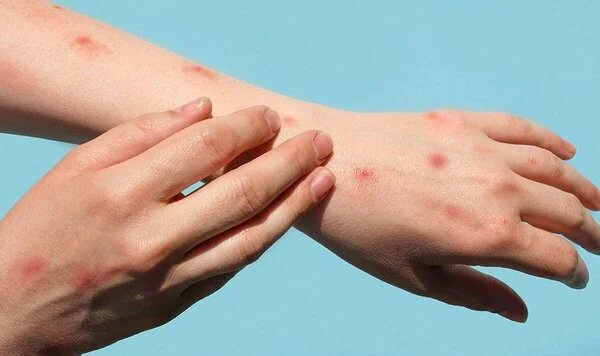
Monkey linen is a viral infection that causes skunk and has flulike symptoms. The infection is usually easy, but it can also cause death.
)call 1b) has caused global concern because it seems to spread more easily.
One case of this version was confirmed last week in Sweden and linked to a growing spread of the virus in Africa, the first case of its spread outside the continent. WHO declared the recent outbreak of the disease a public health emergency of international concern after the new version was identified.
Mr. Cluj said that attention focused on the new kind of ʹclade 1H will also help in the fight against the less severe version of CHAclade 2ʹ that has spread globally since 2022. This has enabled Europe to improve its response through better health advice and supervision.
About 100 new cases of the type clade 2] monkey oak have been reported every month in the European region, Mr. Kloge added.
The disease is transmitted through close physical contact, including sex. However, unlike previous global pandemics like COVID, there is no evidence that the monkey's leaving spreads easily through the air.
Health authorities should be willing if there are new options that are easier to carry from one person to another or that change their course of transmission, but there are no recommendations for people to wear masks, said WHO spokesman Tarik Jasarevic. / VOA