19 minutes ago
The privatisation of Telekom is reported to be added to a multimillion-led group from Pristina!
Periskopi(2 years ago)
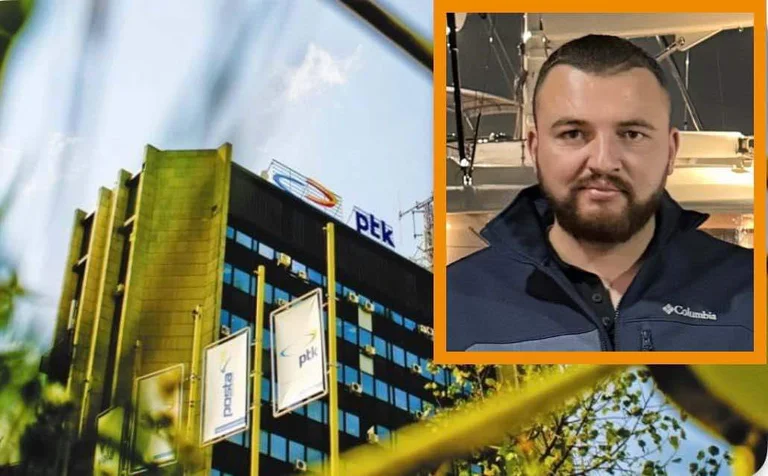
(2 years ago)Shortly after mentioning in the privatisation of Brezovica, there would be no lack of involvement in the privatisation of the country's next most important asset. According to some information from the ground that has reached our editorial, multimillion from Pristina, Bledian Ramadani, is lobbiing intensively for the privatisation of Kosovo PostTelekom (PTK). Faithful sources claim [...]
Shortly after mentioning in the privatisation of Brezovica, there would be no lack of involvement in the privatisation of the country's next most important asset. According to some information from the ground that has reached our editorial, multimillion from Pristina, Bledian Ramadani, is lobbiing intensively for the privatisation of Kosovo PostTelekom (PTK). Faithful sources claim Ramadani represents a group of oligarchs from Bulgaria, Chekhia and Turkey.
This recent development comes at a time when PTK, one of the most important state assets in the telecommunications sector, is facing enormous financial pressures and operational challenges. According to our sources, Ramadani has launched a wide-ranging political and economic lobbie campaign to ensure support for this possible privatisation agreement.
The group of oligarchs standing behind Ramadan includes powerful names from their countries' industry and politics. These oligarchs are known for their investments in strategic sectors and for their broad impact on their countries' economies. According to unofficial sources part of this group are two main oligarchs such as Salur and Zaykov, this lobby raises serious concerns about transparency and the integrity of the PTK privatisation process, an issue that has always been sensitive to the Kosovo public.
Speculations have attracted public and media attention, recalling earlier efforts to privatise PTK, which ended with failure and scandals. Past efforts have often been criticised for lack of transparency and for favouring close-interest groups, which has fostered great scepticism for any new privatisation effort.
Reactions to these information have been many and varied. Some economic analysts argue that privatisation may be an opportunity to increase efficiency and introduce competition in the telecommunication market in Kosovo. However, there are those who warn of the danger of creating monopolies and of losing state control over such a strategic asset.
So far, neither Bledian Ramadani nor PTK representatives have officially commented on these reports. The public and experts remain in expectation of further developments and confirmations of these information, which, if true, could trigger a broad public and political debate.
The PTK privatisation process is expected to be one of the most discussed topics in the coming months, bringing to the attention important issues for Kosovo's economic and strategic future.
(sponsored art)