20 minutes ago
NATO: Kosovo security situation not stabilised, potential for deterioration
Periskopi(2 years ago)
(2 years ago)NATO and its peacekeeping force in Kosovo, known in February KFOR, are “deeply concerned about its security situation and its prospects of worsening” and urging parties to engage in dialogue for finding a political solution, a coalition official in Washington said Thursday, where coalition leaders are meeting [...]
NATO and its peacekeeping force in Kosovo, known in February KFOR, are “greatly concerned about its security situation and its prospects of deterioration” and encourage the parties to engage in dialogue for finding a political solution, a coalition official in Washington said Thursday, where coalition leaders are meeting to mark its 75th anniversary.
“In NATO, we think that the solution and stabilisation in the future of the security situation will depend fully on political solutions. We have repeatedly stressed the need for dialogue mediated by the EU and constructive diplomatic engagement. We have also stressed the need for avoiding unilateral actions that could provoke security incidents,”, a NATO official told reporters.
He spoke of the security situation in Kosovo, where NATO has the largest and longest peacekeeping mission in the world, provided it is not identified by name.
According to NATO official, “is unfortunate that engagement in dialogue has not produced agreement or led to deepening dialogue, and that implies that tensions on the ground continue to have implications for security. ”
“We continue ... to encourage both sides to engage more constructively and constructively, because the only real solution to the situation is the political solution,” he added.
On the other hand, he says NATO peacekeepers in Kosovo have increased their capacities, increasing the number of soldiers from 3700 to 4600 peacekeepers, representing the largest addition of NATO forces in Kosovo since the declaration of independence in 2008. Within the framework of other concrete measures, according to the official, NATO troops have also fourfold their presence in the northern part of Kosovo and have tripled patrols along the border line between Kosovo and Serbia.
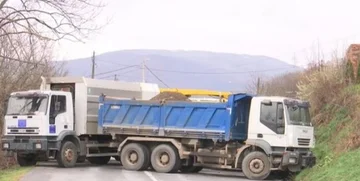
These added security measures have been made due to the escalation of security in the northern part of Kosovo, especially after violent protests left more than 90 KFOR soldiers injured on May 29th in a clash with Serb protest groups opposing the implementation of local election results boycotted by Serbian political parties. The violence erupted after Kosovo authorities escorted the mayors to their offices by police force, despite Western calls to avoid such an act.
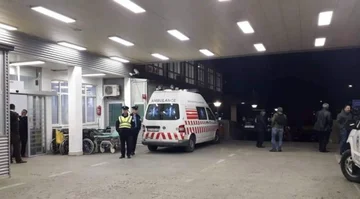
The situation in Kosovo escalated further on September 24th, when a member of police was killed and at least two others were injured, during clashes with an armed group of Serbs in the predominantly Serb north in the village of Banjska. Three members of the armed Serb group were killed during the almost-all-day clashes, raising concerns about stability in the fragile region.
A large quantity of weapons was seized during this incident, for which Kosovo blamed Serbia -- charges Belgrade dismissed, saying the group consisted of Kosovo Serb citizens revolted with Pristina's approach.
These incidents were followed by concern raised by the United States for an added Serb military gathering at the border with Kosovo and Serbia's urgent request to remove forces from the border.
Over these security incidents, the official said NATO continues to spur “both sides to address these situations with maximum seriousness, especially in terms of responsibility. ”
“is very important for NATO, not only because our soldiers were injured on May 29th, but because accepting responsibility is part of moving forward in this political process. All sides should feel responsible and feel that their voice is being heard so that we can walk towards a sustainable solution,” declared the official. /voa