18 minutes ago
Kryeziu comments UNDP data: These percentages make election winner forecasting difficult
Periskopi(2 years ago)
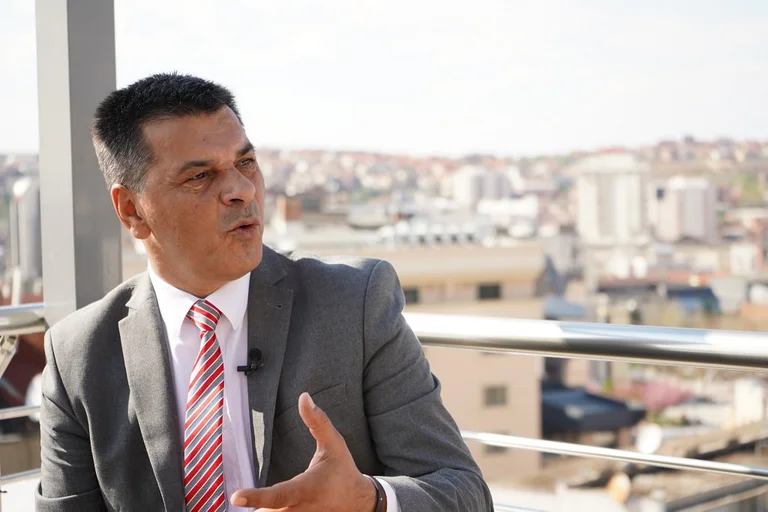
(2 years ago)The executive director of the Kosovo Democratic Institute, Ismet Kryeziu, has shown some data following measuring the public pulse about the upcoming elections. Kryeziu has indicated that on the basis of the data, these percentages can influence the final results and make it difficult to predict the election winner. ” According to [...]
Kryeziu has indicated that on the basis of the data, these percentages can influence the final results and make it difficult to predict the election winner.
” According to public pulse implemented by U. The NDP, respondents have been asked about the likelihood of voting if the central elections were held soon. The data has shown that 9.7% of respondents currently have no political preference, 9.2% said they would not vote at all, while 4.7% have refused to answer that question”, he wrote among other things.
Full Posting:
According to public pulse implemented by U. The NDP, respondents have been asked about the likelihood of voting if the central elections were held soon. The data has shown that 9.7% of respondents currently have no political preference, 9.2% have said they would not vote at all, while 4.7% have refused to answer that question.
The high percentage of uncertainty is 9.7%, and when this is added to 4.7% of those who have refused to respond, a significant area of the uncertainty of determining voters will vote for whom. These percentages may influence final results and make it difficult to predict the election winner.
The activities of political campaigns that are beginning to take place are aimed at affecting this category of voters, in the hope that as close as we are offering the elections, the election outcome is closer.