19 minutes ago
Former Finance Minister: Kosovo population census manipulated, these are facts
Periskopi(2 years ago)
(2 years ago)The Kosovo Statistics Agency that we left behind has released preliminary records of the Population, Family Economy and residences census (ReKos 2024). According to data published in Kosovo live 1,586,659 residents, with 795,046 males and 791,614 females. This indicates a decline in the number of residents compared to [...]
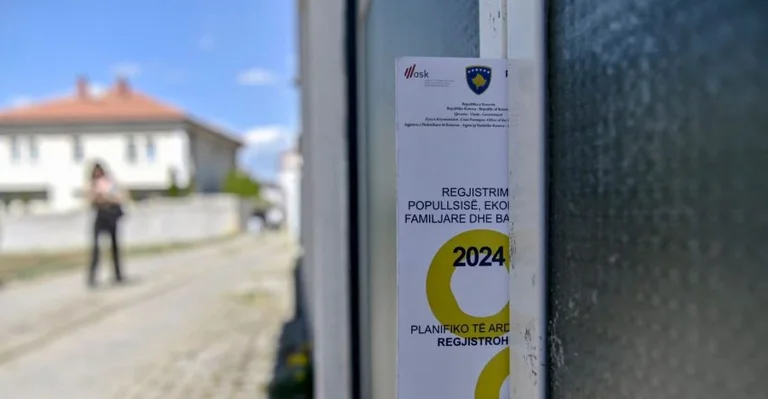
The Kosovo Statistics Agency that we left behind has released preliminary records of the Population, Family Economy and residences census (ReKos 2024).
According to data published in Kosovo live 1,586,659 residents, with 795,046 males and 791,614 females.
This shows a decline in the number of residents, compared to the last census, which was conducted in 2011. That census found that in Kosovo, the number of residents was 1,739,825, numbering 153,166 thousand in 2024.
Some municipalities turned out to have a major population decline, while the three largest municipalities are: Pristina with 227,154, Prizren with 147,428 and Ferizaj with 109,345 thousand inhabitants.
The municipality of Fushe Kosovo is the municipality that has marked high population growth, with an increase of 83.99% in 2011. After Fushe Kosovo, the largest growing municipalities are Partesh, Shtrpca, Gracanica, Klokoti, and Pristina.
But how this decline in the number of Kosovo citizens affects the country's economy, connoisseurs say there will be major problems in the economy and the workforce.
Some of them cast doubts about manipulation of official numbers published by the AKS for the number of employees, while they say the government is not at all dealing with this issue and making plans to stop the youth escape trend.
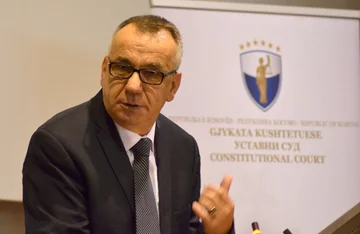
Former Finance Minister Haki Shatri says the KSF publication for the number of residents in Kosovo shows that around 400,000 citizens have left Kosovo somewhere.
According to him, this reduction reveals young age, resulting in a lack of labor force.
“Framework shows that it has left Kosovo some 400,000 people, given the last census. So there's a decline in the number that draws us and other problems, the average age has been five years older than in the first record. This reduction goes to the number of working - age people, and this leads to a lack of labor force in many ways. In many businesses they are having trouble finding the workforce”, he stressed.
Shatri raises doubts about manipulation of official figures. According to him, people who have been counted as "amvise" do their housework but are not paid, by the AKS are identified as employees.
Shatri says that the number of employed persons has gone up by 400,000, since according to him it is not the 400 thousand, but about 370 thousand.
In official statistics releases, these are counted as employed by 420 000 people, but when you see their structure, there are about 16 thousand working secondary jobs, so they have primary work and secondary work and they put it into another employee. Then they have 20,000 people registered as self-employed, when you see the explanation there, they say they're housewives, they work in their homes that don't get paid. I don't know what that employment is but it's classified as one. I think some 40 grand still got a blowout that there are actually 370 thousand people who are put in put in”, he said.
Shatri says the number of job seekers has been reduced, as they are employed only not in Kosovo, but in Germany and other countries.
This guy likes to outwit his opinion, they're manipulating his official numbers. The number of job seekers has been reduced because they are employed but not here but in Germany or other countries abroad. The truth is this”, he declared.
In the end, Shatri says that in municipalities where there is a reduction of residents will automatically be budget reductions.
“in the more passive municipalities are larger and the number/minor reduction of the population also provides a separate reduction in the central budget donation. So you share the smaller budget, the budget that goes to pay teachers, doctors and administrations. This is regulated by law, by number of residents. Those with a reduction in the number of residents, automatically the budget in 2025, have to cut funds for these three categories of public sector pimps”, Shatri told Front Online.