17 minutes ago
How many votes are needed to adopt the resolution on Srebrenica?
Periskopi(2 years ago)
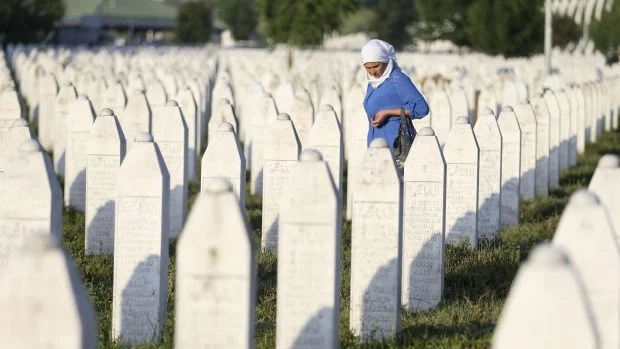
(2 years ago)Today the General Assembly of the United Nations will vote on the proposal for a resolution to proclaim July 11th as the International Day of Memory and the 1995 Genocide Memorial at Srebrenica”. Opposers of the resolution for genocide in Srebrenica from Serbia and Bosnia and Herzegovina. RS entity, as the most [...] argument
Opposers of the resolution for genocide in Srebrenica from Serbia and Bosnia and Herzegovina. The RS entity's, as the most common and most important argument for the opposition, stresses that allegedly “does not contribute to reconciliation”.
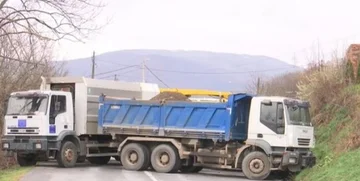
But the biggest opponents of the resolution for genocide in Srebrenica, such as Aleksandar Vuciq, Ivica Dacic and Milorad Dodik, in the past “worked for reconciliation by becoming the first to become a safe haven for war criminals from Bosnia and Herzegovina, setting out roadblocks by the name of criminal Mladic, denying the genocide and final decisions of international courts.
This is clear to the entire global community, so after Vuciqi's resignation, the number of countries co-sponsored the resolution increased to 38.
On Thursday everything will be a voting and procedure. Germany and Rwanda are sponsors of the resolution -- that is, countries that jointly initiated and drafted the text of the resolution. Later, 36 UN member states became co-ponsor, namely countries that took over the task of presenting the draft to the 193 UN member states.
There is no option to veto the UN General Assembly, and since Russia and Serbia oppose the adoption of a resolution on genocide in Srebrenica, it will be voted in. For the adoption of the resolution, the simple majority of UN members present at the session and vote.
The 193-member General Assembly vote is considered a global study of how much support there is on a matter.
Resolutions in this UN body are not binding and more often member states, the UN Security Council or any UN body “are required to act as stated in the resolution.
For example, the proposed resolution on genocide in Srebrenica, among other things, requires member states to include genocide in Srebrenica in textbooks.