24 minutes ago
Petkov says Kosovo visit was banned
Periskopi(2 years ago)
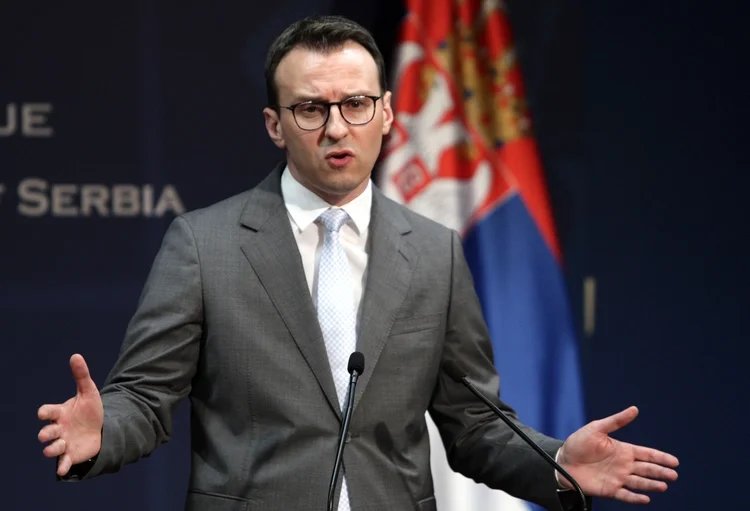
(2 years ago)The chief of the Office for Kosovo in the Serbian Government, Petar Petkovovic, said authorities in Kosovo have rejected the request to pay a visit to Kosovo for Orthodox Easter over the weekend. According to a report from this office, Petkovic was seen attending the midnight Easter liturgy at the [...] Monastery.
According to a report from this office, Petkov was seen attending the midnight Easter liturgy at the Decani Monastery, then at the service at the Gracanica Monastery on Easter morning and at a meeting with young people at the Draganci Monastery.
“If the visit was exclusively of religious character and included exclusively visits to monasteries and holy sites of the Serbian Orthodox Church, in the spirit of the largest holiday for Serbs, without political intent, authorities in Pristina prevented his visit without any explanation”, the Office for Kosovo said in the Serbian Government.
This office said that for more than a year, Kosovo Prime Minister Albin Kurti's Government is preventing Petkov from visiting Serbs in Kosovo.
“These bans [of visits] are not groundless, but also present direct violations of the agreement for free movement and official visits, separately when it comes to the chief negotiator in dialogue by the Serbian side”.
Kosovo's Ministry of Foreign Affairs and Diaspore has not yet answered the question sent by Radio Free Europe to confirm or reject the Serbian side's announcement.
In the past, Kosovo has rejected demands put forward by Petkovic to hold visits, saying the refusal was due to “Vultural appeals”.
Meanwhile, in January of this year, Serbia rejected the request for a visit to Kosovo Interior Minister Jhelal Svecla. He had planned to visit Presevo municipalities, Medvedja and Bujanoc, who are inhabited by Albanians.
The issue of official visits between Kosovo and Serbia regulations through an agreement reached within the dialogue for normalisation of reports, which brokers from the European Union. These visits should be warned through liaison officials of Kosovo and Serbia. Meanwhile, the authorities of the respective states must authorize them. / REL