23 minutes ago
Borrell: EU concerned with consequences for Kosovo Serbs due to dinar ban
Periskopi(2 years ago)
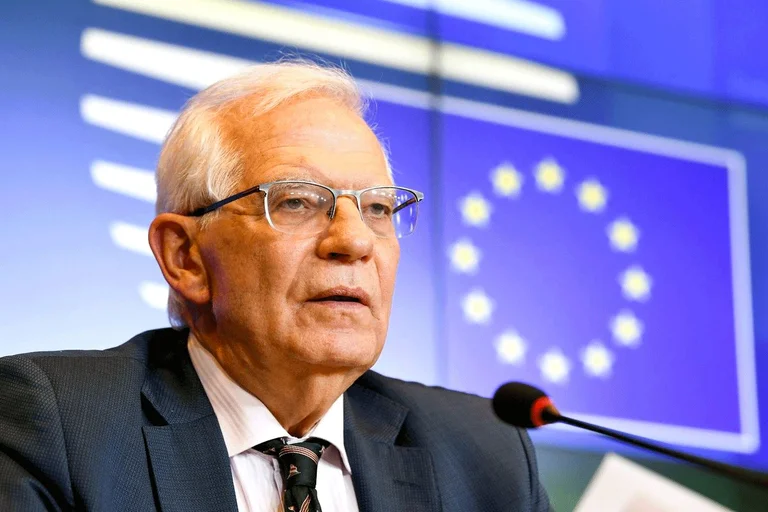
(2 years ago)Brussels is concerned about the lack of consultations prior to the Kosovo Central Bank decision (BQK) on stopping the dinar and the consequences it has on the daily lives of Kosovo Serbs. The European Union's High Representative (BE) for Foreign Policy and Security, Josep Borrell, has thus indicated. “This is especially linked to the impact [...]
This is particularly related to the impact of the decision on schools and hospitals, given the apparent lack of options at the moment”, says Borrell's written response published on the European Parliament page.
In French MP Dominique Bild's questions about what the European Commission plans to do (KE) concerning the issue of establishment of association, the CEC's decision and about the education and health system for Kosovo Serbs, Borrell has said these had to be negotiated with the Association.
The question of the BEC's decision on cash operations affects issues that have had to be negotiated about association, such as status and financing of institutions managed by Serbia in Kosovo and their integration into Kosovo institutions and legal framework”, he has written further.
He reiterated that establishing association is Kosovo's obligation under international law and stems from the 2013 Brussels Agreement, which has been reached by Serbia and Kosovo in dialogue with the EU's mediation and later adopted by the Assembly of Kosovo.
As of yesterday in Brussels, both sides have not reached an agreement on the use of the dinar.