18 minutes ago
Armenia and Azerbaijan Face the JND
Periskopi(2 years ago)
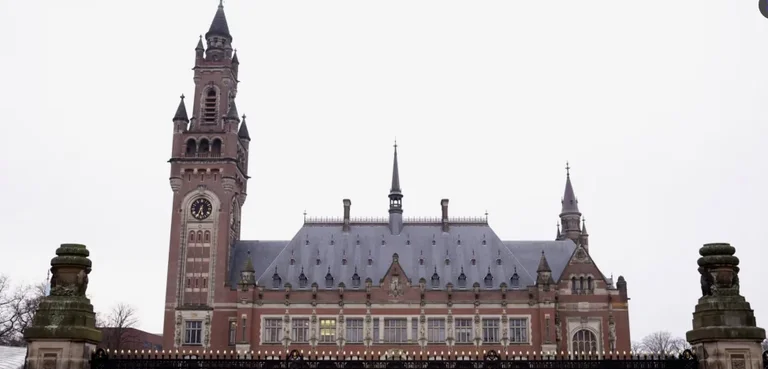
(2 years ago)Azerbaijan and Armenia will face trial at the International Court of Justice (GJND), over charges of “ethnic cleansing”, while military tensions are rising between two historic enemies. Lawyers from both states for two weeks will be engaged in interpretations of international law in the JND. Meanwhile, both states have exchanged charges earlier [...]
Lawyers from both states for two weeks will be engaged in interpretations of international law in the JND.
Meanwhile, the two states have exchanged charges earlier this month of opening fire at the border, clouding hopes of lasting peace after decades of diaspora fighting.
The legal battle in the JND dates back to September 2021, when both sides indicted each other.
Armenia and Azerbaijan accuse each other of “ethnic cleansing” and violations of the International Convention for eliminating all forms of racial discrimination.
The JND, which rules out disputes between states, issued urgent orders in December 2021, calling on parties to prevent promotion and inciting racial hatred.
While the JND's orders are binding, the court has no mechanism to implement them and tensions between the parties increased, peaking with Azerbaijan's offensive in September last year in the breakaway region of Nagorno-Karabakh.
Baku took control of Karabakh after the offensive, causing the ethnic Armenian population of the region to flee to Armenia.
A few weeks later, Armenia addressed the JND, calling on it to order Azerbaijan to withdraw troops from Karabaku and allow Armenian refugees to return to their homes.
In November, the JND ordered Azerbaijan to allow anyone who wants to return to Karabakh to do so “in a safe and unhindered way”.
Hearing hearings on this dispute begin 15 April and will last until 26 April. The disputes raised by both sides in the original cases set up in September 2021 will be addressed.
The two former Soviet republics have fought two wars for control of Karabakh last in 2020 and the first in the years of '{0}'90s that have killed thousands of people on both sides and forced hundreds of thousands more to move.
The conflict has also marred reports between Russia and Armenia, as Yerevan has said Moscow has not done enough to help him when Azerbaijan conducted the offensive in September.
In February, Armenia officially joined the JND, despite warnings from Moscow not to do so.
Yerevan is now obliged to arrest Russian President Vladimir Putin if he breaks into Armenian territory, on the basis of a warrant issued by the International Criminal Court in March last year. /rel/