7 minutes ago
These are the Russians who died after the Kremlin crash.
Periskopi(3 years ago)
(3 years ago)One was a journalist determined to expose corruption, abuse and abuse from power halls in Moscow to the murder fields in Chechnya. The other was a fiery politician who led peaceful protests against Russian President Vladimir Putin, the election fraud and aggression of Russia in Ukraine. At least three others were [...]
The other was a fiery politician who led peaceful protests against Russian President Vladimir Putin, the election fraud and aggression of Russia in Ukraine.
At least three others were men from different walks of life who had one thing in common: doubts about the 1999 bombing of buildings that led to a new war in Chechnya and helped make Putin known before Boris Yelts resigned and made him president.
They discerned in many ways, but the list of influential Russians who have been killed or died in dark circumstances after opposing, criticizing, or overcoming Putin, Kremlin, or state is long.
And it can get longer.
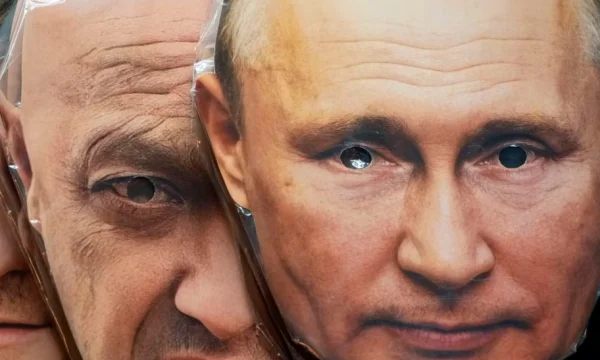
If his death is confirmed in a plane crash on August 23rd, Yevgeny Pigozin, leader of the Russian mercenary group Wagner, would be added to the list.
Once Putin's ally, Prygozy led a failed rebellion in late June, which he said targeted Russia's military leaders, but he humiliated Putin and exposed his control limits, making him appear weak.
You may read of some of the prominent people who suffered violent or suspicious deaths since Putin ʹ who has been president or prime minister of Russia since August 1999 received power 24 years ago.
Sergei Yushenkov
April 17, 2003: Sergei Yushenkov, a veteran politician and leader of the party Russia Liberal, who opposed the Kremlin, was shot in front of his home in Moscow.
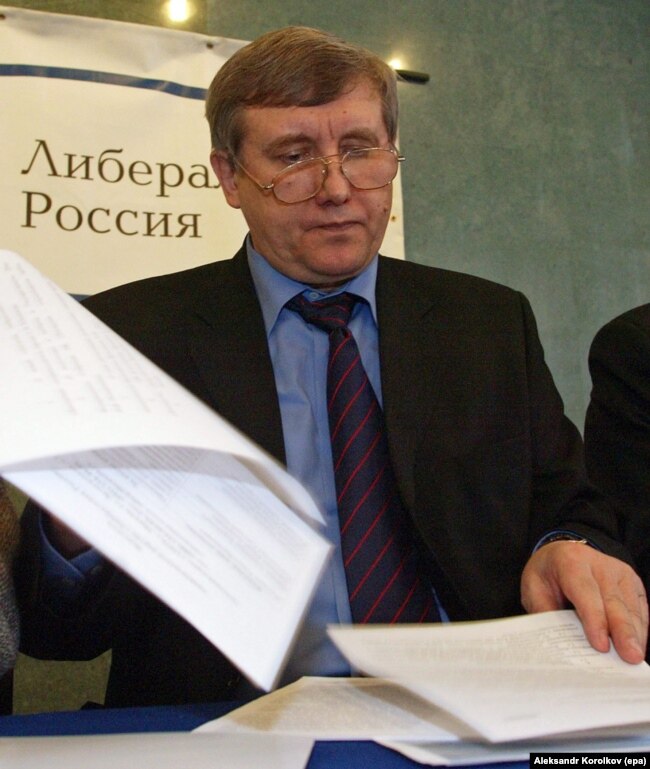
Yusenkov led liberal lawmakers' efforts to investigate possible involvement of the Federal Security Service (FSB) in a series of deadly bombings in several apartments in 1999. The explosions, which killed about 300 people, blamed Chechen militants. They were used by Moscow as an excuse to start the Second Chechnya War.
Anna Politkovskaya
October 7, 2006: One of Russia's most prominent journalists and a major opponent of human rights abuses in Chechnya, Politikovskaya was shot dead in her apartment.
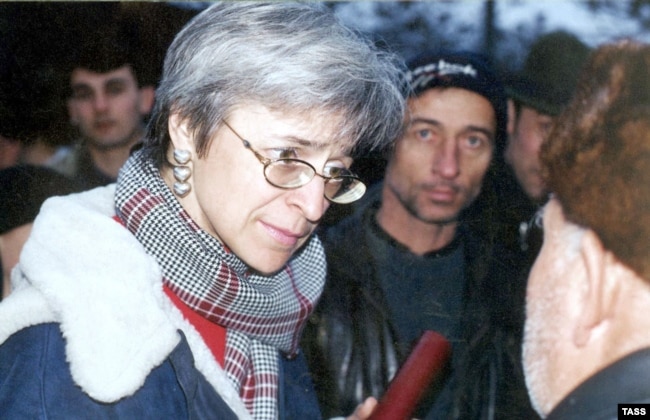
Two men were sentenced to life imprisonment and three others to long imprisonments in 2014 for their involvement, but relatives, colleagues, and Western governments doubt that Russian authorities will never identify or punish the organisers of its murder, because full investigations would lead much closer to Putin's Government or the Kremlin-backed leadership in Chechnya.
Alexandr Litvinenko
November 23, 2006: The former Russian security agent died in London after being poisoned with radioactive polonium-210. Litvinenko fled to Britain in 2000 after accusing the FSB of plotting to kill oligarch Boris Berezovsky. He later wrote a book blaming FSB on shelling apartments in 1999.
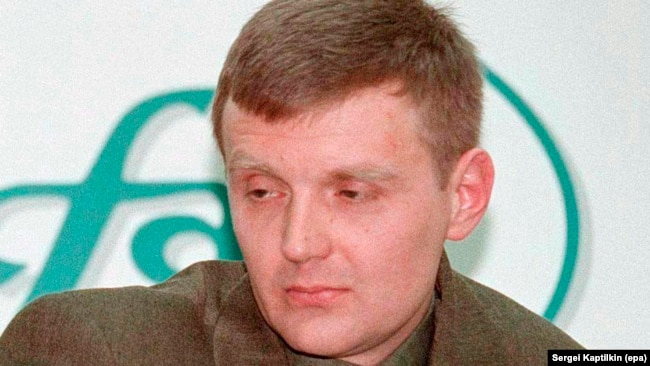
British investigations revealed that Litvinenko had drunk tea filled with polonium, during a meeting with Russians Andrei Lugovoi and Dmitry Kovtun, at a hotel in London several weeks ago. Moscow refused to extradite the two men. In 2017, the United States put them on a blacklist based on the Magnitsky Act.
Natalia Estemirova
July 16, 2009: The body of known human rights activist, with bullet wounds to the head and chest, was found in Ingsheti several hours after her kidnapping near her home in Chechnya's capital, Grozni.
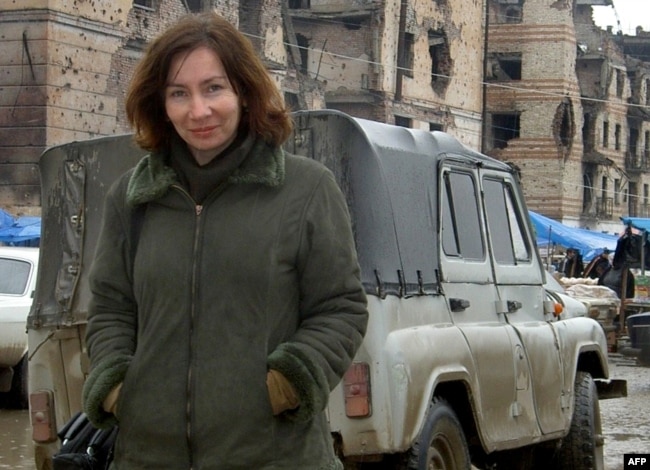
Natalia Estemirova investigated hundreds of alleged human rights abuses in Chechnya, including kidnappings and murders. The group he worked for, Memorial, said the initial investigations have shown the possible involvement of local law enforcement officers.
Memorial chief Oleg Orlov was later charged with slander after accusing the Kremlin-backed Chechen leader Ramzan Cadyrov of orchestrating Estemirova's murder, but was finally released.
Sergei Magnitsky
November 16, 2009: The informant who had involved Russian officials in an alleged tax fraud worth $230 million died a year after being imprisoned on similar charges. Sergei Magnitsky suffered from the pancreatitis, and he was not given medical care in custody, conditions that human rights activists said were equal to torture. According to the Kremlin's Human Rights Council, he was severely beaten before his death.
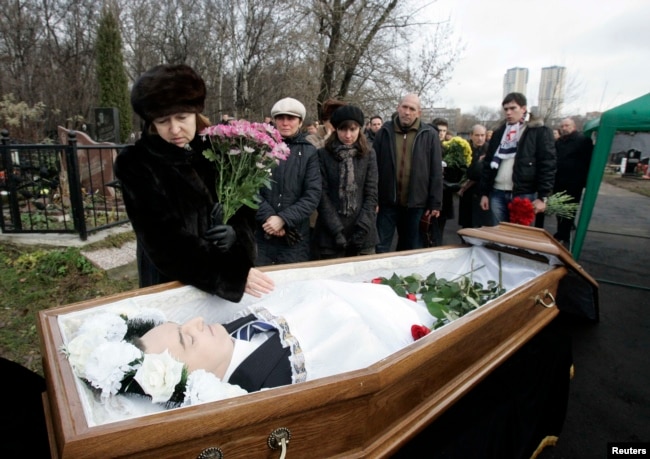
In 2012, the United States approved the Magnitsky Act, which targets Russians involved in human rights abuse. According to this act, visas are prohibited and assets are raised.
In July 2013, a Russian court found Magnitsky guilty of tax evasion. The trial after death was unprecedented.
Boris Nemtsov
February 27, 2015: Former governor and reformist regional deputy prime minister, who was a growing political star in the 1990s, became one of Putin's most vocal opponents, was shot dead on a bridge near the Kremlin at the age of 55.
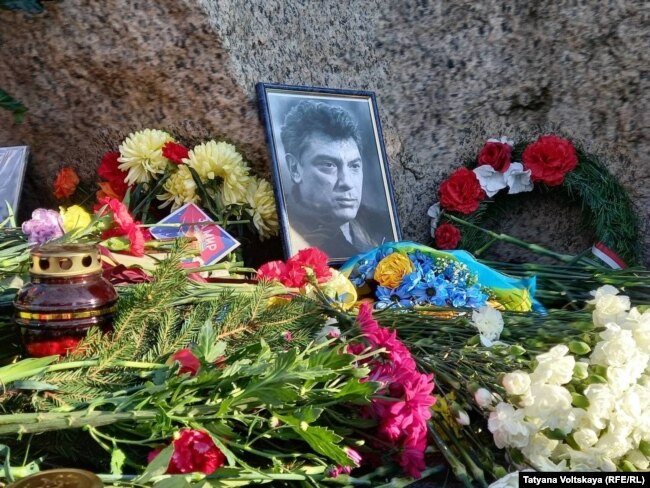
A liberal lawmaker at the start of Putin's presidency, Nemtsov helped lead the protests against parliamentary elections and Putin's return to the presidency in 2012. It strongly opposed Russian aggression against Ukraine in 2014, naming it as the disgusting “”, the shameless “” and the bad “for Russia”.
At the time of his murder, he and his associates had worked on a report detailing evidence of Moscow's intervention in the neighbouring country.