14 minutes ago
Escobar and Lajcak at the Atlantic Council for developments in the north: Kosovo, Serbia don't have the luxury to wait
Periskopi(3 years ago)
(3 years ago)The US envoy for the Western Balkans, Gabriel Escobar, said on Tuesday that the situation in northern Kosovo has the potential to turn into regional conflict, while urging Kosovo and Serbia to work on extending the situation and return to dialogue mediated by the European Union. He made these comments in a debate with [...]
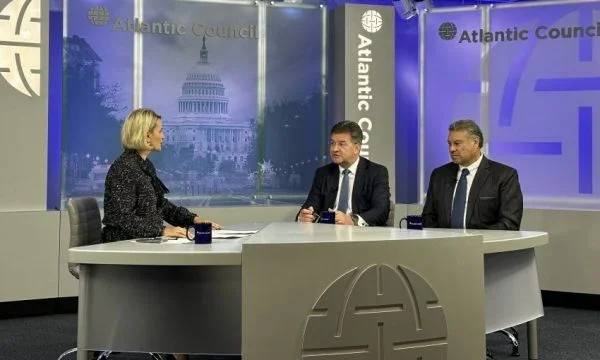
He made these comments in a debate with Ilva Taren at the Atlantic Council along with European envoy Miroslav Lajcak, in which he expressed concern with developments in northern Kosovo.
“I am very concerned, this situation has the potential to turn into a regional conflict and regional confrontation, and that's why we are so strongly supporting European efforts”. This should be European efforts because both countries are in Europe, their highest aspirations are integration into the European Union. Also like Kosovo's biggest supporters, we would like to see that part of NATO and the European Union, so we want a process that reduces the concerns of the five non-recognitional countries and this should be the European process, but that doesn't mean we stand passive”, said Mr. Escobar.
I think the moment is very important and very critical in the sense that we should discuss further steps. The situation is very difficult, I'm very worried. As of May 26th, there are people standing on the street, there are Kosovo police officers, there are KFOR forces, while we've already seen a series of incidents, so I appreciate that the priority is imposing the situation. To get people off the road, the parties turn to dialogue, and undoubtedly part of this process is organising new elections with the participation of the Serb community. No prerequisites. If we fail to do so, there may be victims and we cannot afford this”, said Mr. Lajcak.
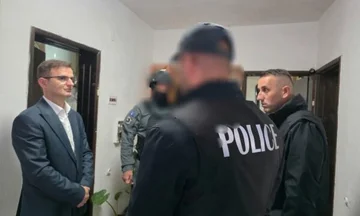
The police case added to the tensions equally high, and the European Union warned a high-level meeting between the two countries. All haws in Pristina, Belgrade, Mr Lajcak indicated confident that meeting will happen
“Look, there was no chance that the leaders would refuse the invitation to Brussels. So I'm not too worried about rhetoric. They'll come. To say no to the invitation from the European Union would truly be a very serious and very negative act”, said Mr. Lajcak.
He stressed that the main issue is to reduce the situation and then reconcile the election date in line with the Kosovo Constitution and the legal framework. That, he said, could happen either with the resignations of mayors or local referenda. It takes reconciliation of the parties for the elections, Mr Lajcak said.
However, so far we have not seen the political will to hold early elections”, Mr. Lajcak stressed.
Keeping the elections is part of the European Union's requirements for extending the situation to the north, including leaving special police units from municipal buildings and returning to the negotiating table.
I have to say that the transatlantic community is very united. The idea that one or two leaders can set conditions for a plan that has been carefully developed by the European Union in co-ordination with the United States is reckless”, said Mr. Escobar.
Serbian President Aleksandar Vucic requires the removal of police from northern Kosovo, Albanian mayors of municipalities and the release of all Serbs arrested in connection with incidents there. Kosovo Prime Minister Albin Kurti has stressed that the extension must take place along the rule of law.
Returning to the negotiating table according to Western diplomats also means establishing the Association of Serb majority municipalities. Mr. Escobar and Mr. Lajcak named it “serious proposal” draft the statute for this association, which Albanian Prime Minister Edi Rama said on June 8th that he sent it to French President Emmanuel Macron, and German Chancellor Olaf Scholz.
Escobar again dismissed claims that Washington is recently helping Serbia more than Kosovo, while Mr. Lajcak said both sides would face consequences if they do not work on extending the situation.
“We have concerns for Serbia and its relations with Russia, but as we work with Serbia to address these concerns, we will not sacrifice regional sustainability”, Mr. Escobar said.
The two diplomats said Kosovo and Serbia do not have the luxury to expect, while next year is the election period in the United States and the European Union.