23 minutes ago
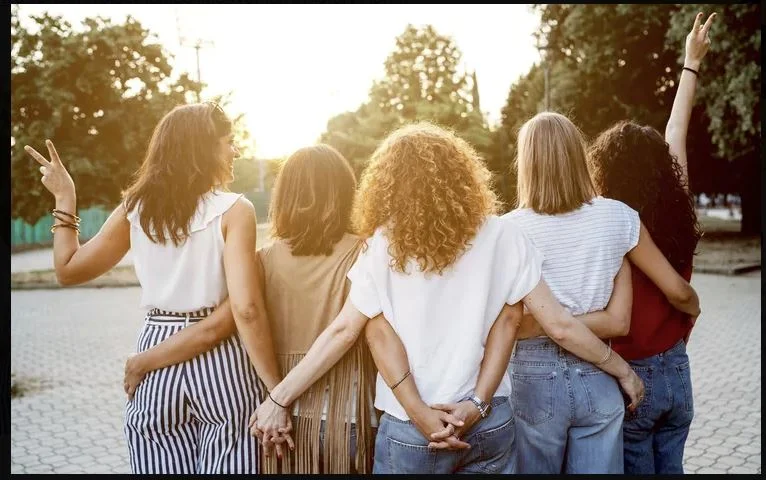
Albanian women spend 25 years of productive life raising children and doing free work
Periskopi(3 years ago)
(3 years ago)Albania is a country where over 40 percent of the population live in rural areas, and there is still a dominant mentality that burden women with child rearing and home care. Not engaging women in the job market also adversely affects household income and poverty. Bank [...]
Not engaging women in the job market also adversely affects household income and poverty.
The World Bank analyzes that Albanian women spend 25 years of their productive lives raising their children and doing free household jobs.
If this load were to be shared equally with the husband and other members of the family, women could engage in the family and increase their resources for the family unit.
By engaging in employment less years than men, women tend to receive lower retirement payments and more poverty in old age.
By living longer by getting lower pensions, women are likely to experience higher income inequality throughout their lifetime and especially in old age.
Poverty is still a sad reality for a large segment of the Albanian population, the World Bank analyses.
In the last decade, economic growth has become less flexible for the smoothing of poverty. As the economy grows, the number of poor people does not fall at the same rate.
In an economy like Albania, the reality of poverty emerged during the Covid-19 pandemic, where poor populations and informal workers remain out of social protection schemes.
Nearly half the population lives in rural areas, where people have weaker access to various services and women suffer more isolation from urban centres.
Although there are no gender gaps in educational achievements in Albania, women have a lower level of participation in the workforce.
Many of the women are employed in sectors that require lower qualifications and therefore offer lower wages.
Good jobs are few and remain elusive for many graduates of schools who lack their respective skills and knowledge.
Unemployment and inactivity remain high, especially in women and young people. A large part of women do not participate in formal economic activities. Inequality has grown, especially affecting rural areas and weak population groups.
Economic migration is high, further robbing the country of talents and labour. For those who endure, the quality of life has been eroded by pollution and the low quality of life in urban areas, the World Bank analyzed. /Monitor. al