33 minutes ago
Small nuclear reactors soon on the market
Periskopi(3 years ago)
(3 years ago)The small nuclear reactors, which produce only one percent of the electricity and can be transported even by trucks, are ready to go to market. Small but significant amounts of electricity, almost sufficient to supply a small university campus, a hospital, or a military complex, will be produced [...]
Small nuclear reactors face some of the challenges similar to those of large nuclear plants, such as the means of destroying radioactive waste and placing them in safe areas.
Supporters say these issues can be managed and benefits exceed any risk.
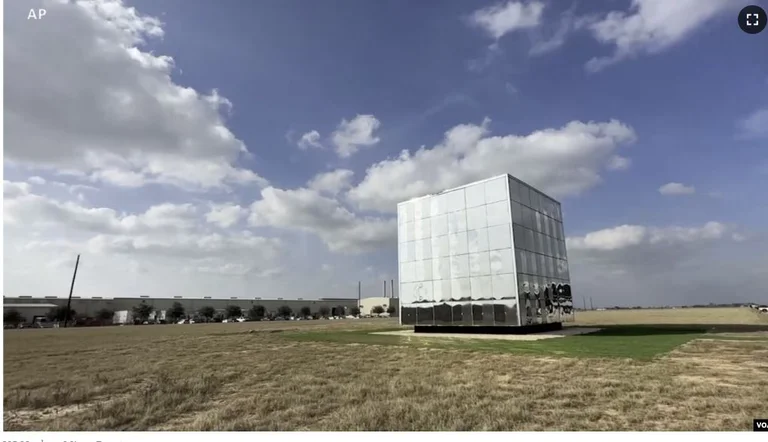
Washington-based company “Last Energy” is producing these microreactors, which the public can see today. It produced a prototype reactor in Texas, which is placed in a cube covered with reflective metal.
For the production of our microreactor, we have used the same basic technology and materials that are used by 300 thermal power plants worldwide that produce 10 percent of the global electricity. We have simplified the process by making it possible to produce them in smaller size, in a factory and making it easier to transport them”, says company founder “Last Energy”, Brett Kubelas.
He is now working with authorities in Britain, Poland and Romania to operate his first reactor in Europe in 2025.
Microreans drastically reduce the cost of producing clean energy, making it affordable not only for the United States but also for the globe.
Traditional nuclear power costs billions of dollars. Total cost of company microreactor “Last Energy”, including the production of modules, assembly and field preparation work, is below $100m, company managers say.
Some universities are interested in this technology to supply their buildings and to see the possibility of replacing the coal and gas power generation plants, one of the causes of climate change.
Marc Nicholl, director of the new reactors at the Nuclear Energy Institute, sees interest from schools as beginning a new trend.
The Illinois University of Urbana, Purdue University and Pennsylvania State University are working with various companies to examine the possibility of nuclear power use, especially nuclear microreactors to supply clean electricity buildings in their”, he says.
The Department of Defense is also working on producing a microreactor. The “Pele” project is a prototype of the nuclear mobile reactor that has produced the Department of Defence at the Ajdaho National Laboratory.
But not everyone shares enthusiasm for microreactors. Edwin Lyman, director of nuclear energy security at the Union of Concerned Scientists, called “completely unjustified” the production of nuclear microrecords.
These reactors will be far less efficient than large reactors, present a series of security risks and produce much more expensive electricity. Therefore, those who think microreactors will be the magical solution to the climate change crisis are relying on a wrong idea”, he says.
Nuclear energy expert Edwin Lyman expects a large increase in fuel costs and a greater level of nuclear waste created by microrectors compared to the level that conventional reactors create.
The United States does not have a national nuclear fuel storage facility, and its amount is growing.
Microreactors will further burden this problem, says nuclear power expert Edwin Lyman.