a minute ago
“More distrust than enthusiasm in Pristina
Periskopi(3 years ago)
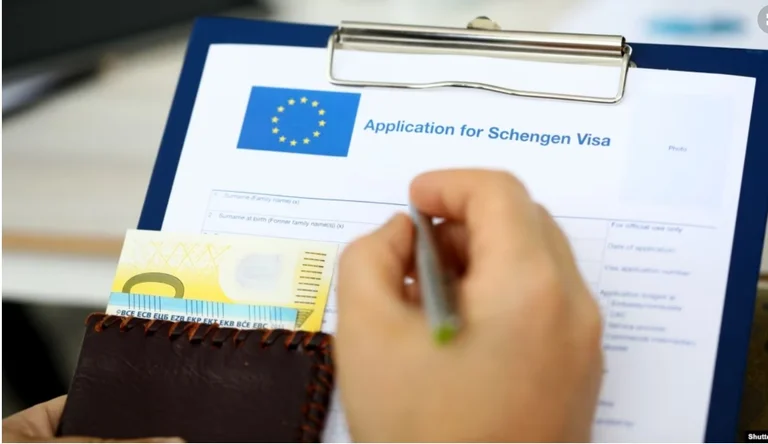
(3 years ago)The Berlin daily “Tagespigel” says about the deployment of the European Union's visa-free regime for Kosovo: “in Pristina has relief, but there are no excitement flows”. The text's author also recalls that this European Parliament decision comes at a time of increased tension with Serbia. “More with distrust than enthusiastically, Kosovars [...]
The text's author also recalls that this European Parliament decision comes at a time of increased tension with Serbia.
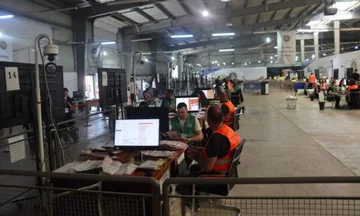
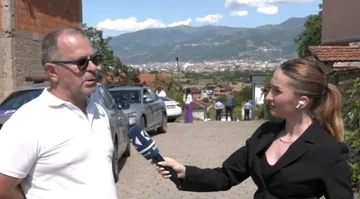
“More with distrust than enthusiastically, Kosovars who have been asked by local television teams in line before the Swiss consulate in Pristina how they react to the good news from Strasbourg that the painful wait will soon come to an end. It would be nice, but I personally can't believe it, says family head Adem Alilaj, writes DW in Serbian, broadcasts Clankosova.tv.
The text says that January 1st, 2024, 1.7 million citizens will be able to travel to the Schengen area for three months without visas.
The author also quotes Kosovo President Vjosa Osmani's enthusiastic statement: “Great good news for Kosovo and for the EU”.
A visa of 89m euros
The author recalls that the process of establishing the visa-free regime was hampered by France and the Netherlands, which for neighbouring countries for EU membership, Montenegro, Northern Macedonia and Serbia was taken in 2009. A year later, the same decision was made for Albania and Bosnia and Herzegovina.
“While Moldovans can travel visa-free since 2014, and citizens of Georgia and Ukraine since 2017, Kosovars are still in line before consulates. Admittedly, the European Commission in 2018 had stated that all conditions for visa removal had been met, but the fact that five EU members still did not recognise Kosovo's citizenship delayed long promised liberalisation. According to estimates, in the past five years, residents of that poor Balkan country have had to pay 89m euros for visas and hand over a mountain of documents they need”, writes “Tagespiegel”.
The author estimates that the war in Ukraine accelerated the establishment of the visa-free regime with Kosovo, because partners in the European Union were afraid of spreading Russian influence in the region.
“The concern that visa removal may accelerate mass migration of young people in the West, does not separate activist Veton Mujaj from Peja, who deals with human rights protection: If our young people can travel, they will finally have a realistic picture of life in the West.
“Bad decision”
Reactions from Belgrade, such as that of Serbia's Foreign Affairs Minister Ivica Dacic, who says this decision is bad because Kosovo Albanians have been refusing since 2013 to realise the Association of Serb Majorities, and now they are still being rewarded. The text also mentions the common accusations directed at Belgrade by Kosovo President Vjosa Osmani, calling Serbia a “sattel of Russia” and a “serious threat to Kosovo security.
The author recalls that under pressure, Belgrade and Pristina agreed with Brussels' plan for normalising relations, but did not sign it. Later, it describes President Aleksandar Vuciq's stance that normalisation with Kosovo is <x0 realistic”, as well as Pristina's harsh attitude towards Serbs in northern Kosovo, which “more deepens that it eases minority distrust”.
The author emphasises that the Ohrid Agreement has shown a series of weaknesses: “in addition to the vague demand that Kosovo immediately start implementing the Commission Association [with Majority, Saint.red]. Serbian, there are no clear deadlines. In addition, stimuli is not attractive enough and sanctions are not so frightening, to lead Belgrade to the most determined vote for a” deal.
In the end, the author cites an unidentified diplomat's statement to Radio Free Europe, under which European Union carrots “are not particularly tasty and the stick is not strong enough”.
“from the EU”
The German daily newspaper “Mynih Zidojce Zeitung” publishes an article on the same theme under the title “less obstacles”.
Otherwise, there has been little tangible progress in the ten years since the signing of the agreement (of Brussels). Hardly can be talked about normality in relations between Serbia and Kosovo, both sides are still far from membership in the European Union. The rhetoric on both sides is plagued with distrust, if not at least”.