33 minutes ago
April 22
Periskopi(3 years ago)
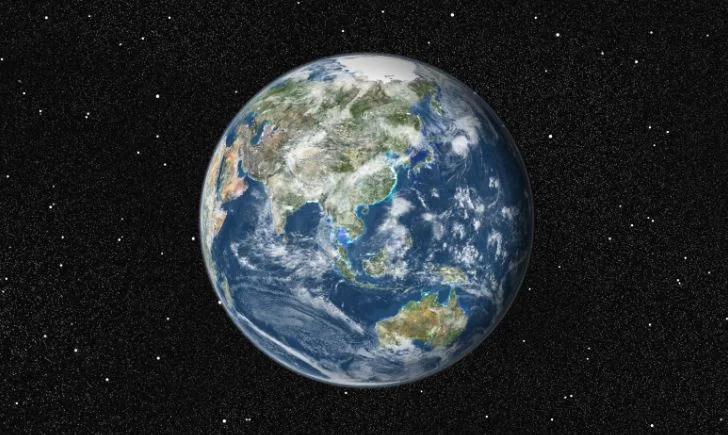
(3 years ago)Every year on April 22nd, more than one billion people celebrate Earth Day to protect the planet from such things as pollution and deforestation. By participating in such activities as garbage collection and planting trees, you make the world a happier and healthier place to live. [...]
Every year on April 22nd, more than one billion people celebrate Earth Day to protect the planet from such things as pollution and deforestation. By participating in such activities as garbage collection and planting trees, you make the world a happier and healthier place to live.
Earth's first day was celebrated in 1970, when a United States senator from Wisconsin organised a national demonstration to raise awareness of environmental issues. Mitinge developed throughout the country, and by the end of the year, the US government had established the Environment Protection Agency. Until 1990, Earth Day was an event celebrated by more than 140 countries around the globe.
The number of garbage trucks that Americans fill each year would stretch halfway to the moon. Hygienic paper tubes made of cardboard take two months to decompose. A plastic bottle stays much longer may take more than 450 years to break! But instead of going back to the trash can you turn these items into a wonderful telescope or a planter. Before you throw away something, consider whether it can be recycled or reused. You can also limit waste by reducing the amount of things you buy, writes National Geographic.
Researchers estimate that some 15 billion trees in the world are cut off each year, so help to compensate for this loss by planting a tree of your own. Trees absorb carbon dioxide and release oxygen for humans to breathe. They also offer shelter and food to animals such as squirrels and owls. Depending on where trees are planted, their shadow may even reduce the need for air conditioning in the hottest months. How many other reasons do you need to grow?
Should that lamp really be lit while the sun is out? Electricity does not just happen. It should be produced by things around us. Many times it comes from fossil fuels (such as coal, oil, or natural gas) that contribute to climate change. But electricity can also be produced from renewable sources such as wind, water, and sun. Regardless of where you come from, try to save your electricity by using only what you need.
It may seem to be everywhere, but clean, drinking water is a limited source. In fact, less than one percent of earth's water can be used by humans. (The rest is either very salty or very difficult to access.) A tap can save up to eight quarts [8 L] of water a day. To save even more water, challenge yourself to take a shorter shower.